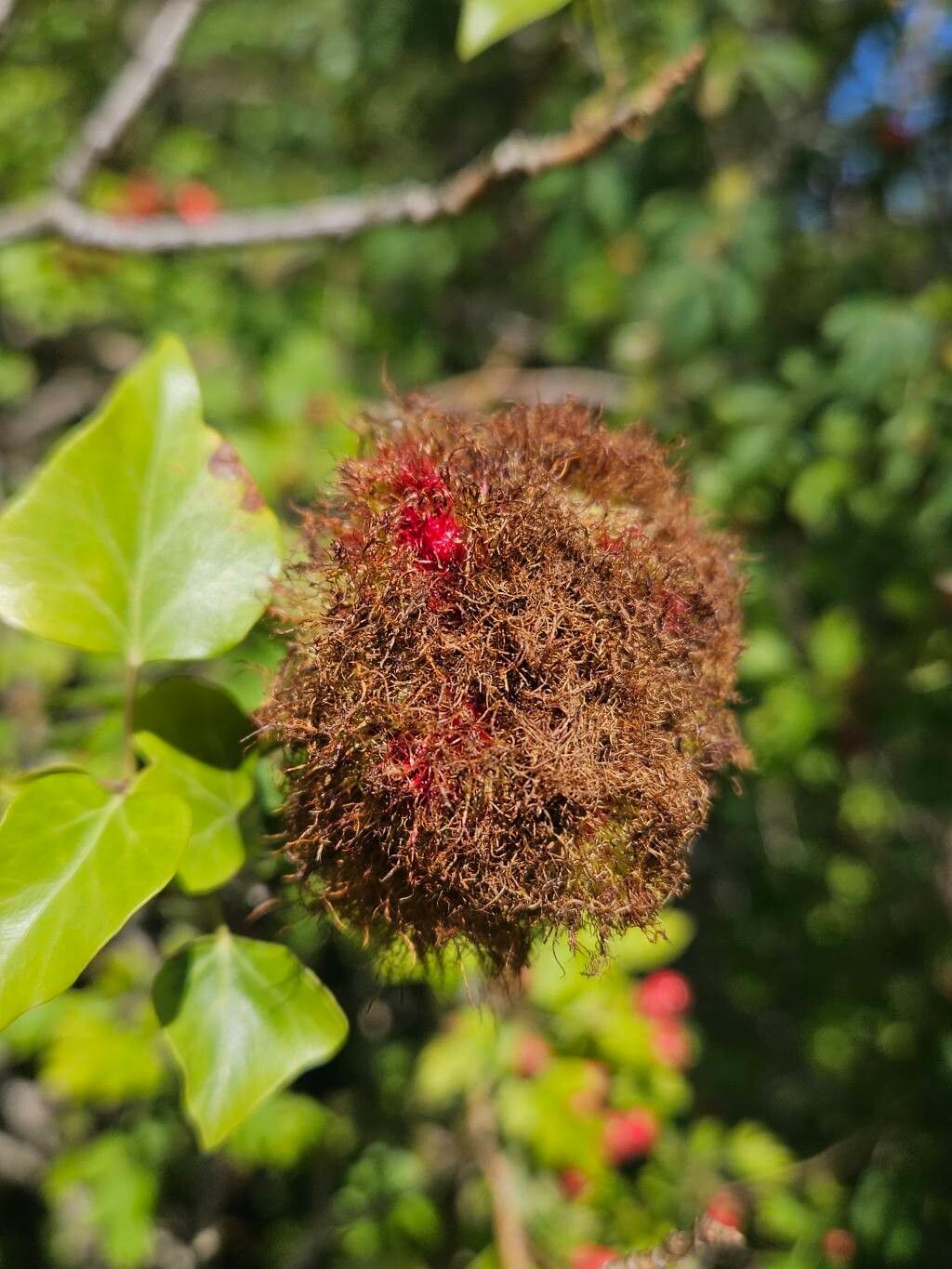
Hello fellow garden enthusiasts! Today, I want to chat about a rose that holds a special place in my heart: Rosa agrestis, or the Field Rose. It’s a darling of the hedgerows, with its delicate single pink flowers and subtle, sweet scent. Growing this native beauty just feels right, and propagating it yourself is such a rewarding way to share its charm. Don’t worry if you’re new to the game, Rosa agrestis is generally quite forgiving, making it a lovely plant for beginners looking to expand their rose collection.
The Best Time to Start
For the highest success rate with Rosa agrestis, I always recommend working with softwood cuttings in the early summer. This is when the new shoots are starting to mature but are still flexible. Think late May or June, after the main flush of flowering has passed but before the wood has completely hardened. You can also have success with semi-ripe cuttings in late summer (August), but the early summer window is usually my go-to for robust rooting.
Supplies You’ll Need
Gathering your tools beforehand makes the whole process smoother. Here’s what I always have on hand:
- Sharp pruning shears or a clean knife: For taking your cuttings. Sterilize these before you begin!
- Rooting hormone: A powder or gel can really give your cuttings a boost.
- Small pots or seed trays: Clean and with drainage holes, of course.
- A good quality potting mix: I like a blend of peat-free compost, perlite, and a little sharp sand for excellent drainage. You can also get specific propagation mixes.
- A clear plastic bag or a propagator lid: To create a humid environment.
- Watering can with a fine rose: For gentle watering.
- Labels: To keep track of what you’ve planted (trust me on this!).
Propagation Methods
Let’s dive into how we can coax new life from your Rosa agrestis.
Softwood Cuttings (Early Summer)
This is my favorite method.
- Take your cuttings: Look for healthy, non-flowering shoots. You want cuttings that are about 4-6 inches long. Make your cut just below a leaf node (where a leaf joins the stem). Gently remove the leaves from the bottom half of the cutting. You can also pinch off any flower buds if they’ve formed.
- Prepare the cuttings: Dip the cut end into rooting hormone, tapping off any excess.
- Pot them up: Fill your pots or trays with your prepared mix. Make a hole with a pencil or dibber and insert the cutting, ensuring the leaf nodes are buried (this is where the roots will form). Gently firm the soil around the base.
- Water and cover: Water the cuttings gently but thoroughly. Then, cover the pots with a clear plastic bag or place them in a propagator. This creates the humid microclimate they need to thrive.
Semi-Ripe Cuttings (Late Summer)
This is very similar to softwood cuttings, but you’ll be using slightly more mature shoots.
- Take your cuttings: Look for shoots that are firming up but can still be bent without snapping. Aim for the same length, 4-6 inches, and cut just below a leaf node. Remove the lower leaves.
- Prepare and pot: Dip in rooting hormone and insert into your pots as described above.
- Water and cover: Water gently and cover with a plastic bag or propagator lid.
Water Propagation (Selectively)
While not my primary method for Rosa agrestis, some gardeners have success with water propagation for certain rose varieties.
- Take cuttings: As above, take 4-6 inch cuttings and remove lower leaves.
- Place in water: Put the cuttings in a clean jar or vase filled with fresh water. Ensure that no leaves are submerged in the water – this can lead to rot.
- Location: Place the jar in a bright spot, but out of direct sunlight.
- Change water: Change the water every few days to keep it fresh.
- Potting up: Once you see tiny white roots forming (this can take a few weeks), you can carefully pot them into your soil mix, treating them just like your other cuttings.
The “Secret Sauce” (Pro Tips)
Here are a couple of little tricks I’ve learned over the years that can make a big difference.
- Bottom Heat: If you have a heated propagator or can place your pots on a heat mat, gentle bottom heat can significantly speed up the rooting process. It mimics the warmth of summer soil and really encourages those roots to get going.
- A Dash of Goodness: Some gardeners swear by adding a tiny pinch of crushed aspirin to the water for water propagation, or a tiny bit of diluted liquid seaweed fertilizer to the initial watering of soil-potted cuttings. I haven’t relied on it heavily, but it’s a little experiment worth trying if you’re feeling adventurous!
- Don’t Overcrowd: It’s tempting to cram as many cuttings into a pot as possible, but give them a little breathing room. This improves air circulation and reduces the risk of fungal diseases spreading from one cutting to another.
Aftercare & Troubleshooting
Once your cuttings have rooted, usually after 3-6 weeks, it’s time to give them a little more attention.
- Signs of rooting: You’ll know they’re rooting when you see new leaf growth appearing. You can also give them a very gentle tug – if there’s resistance, you have roots!
- Acclimatize: Slowly introduce them to fresh air by opening the plastic bag or propagator lid for increasing periods over a week. This helps them adjust to drier conditions.
- Potting up: Once acclimatized, you can pot them into slightly larger individual pots with your regular potting mix.
- Common issues: The biggest culprit is rot. If your cuttings turn black and mushy, they’ve likely succumbed to overwatering or lack of air circulation. Don’t be discouraged; it happens to us all! Make sure your drainage is good, and don’t let them sit in soggy soil. Another sign of trouble is wilting without new growth, which could mean they just haven’t rooted yet or conditions aren’t right.
A Little Patience Goes a Long Way
Propagating roses like Rosa agrestis is a wonderful way to connect with nature and your garden. It’s a process that teaches us patience and observation. Don’t be afraid to experiment, and remember that every gardener, no matter how experienced, has had cuttings that failed to root. The joy is in the trying, and then, the sweet satisfaction of seeing those tiny roots take hold. Happy propagating!
Resource:
https://identify.plantnet.org/k-world-flora/species/Rosa%20agrestis%20Savi/data