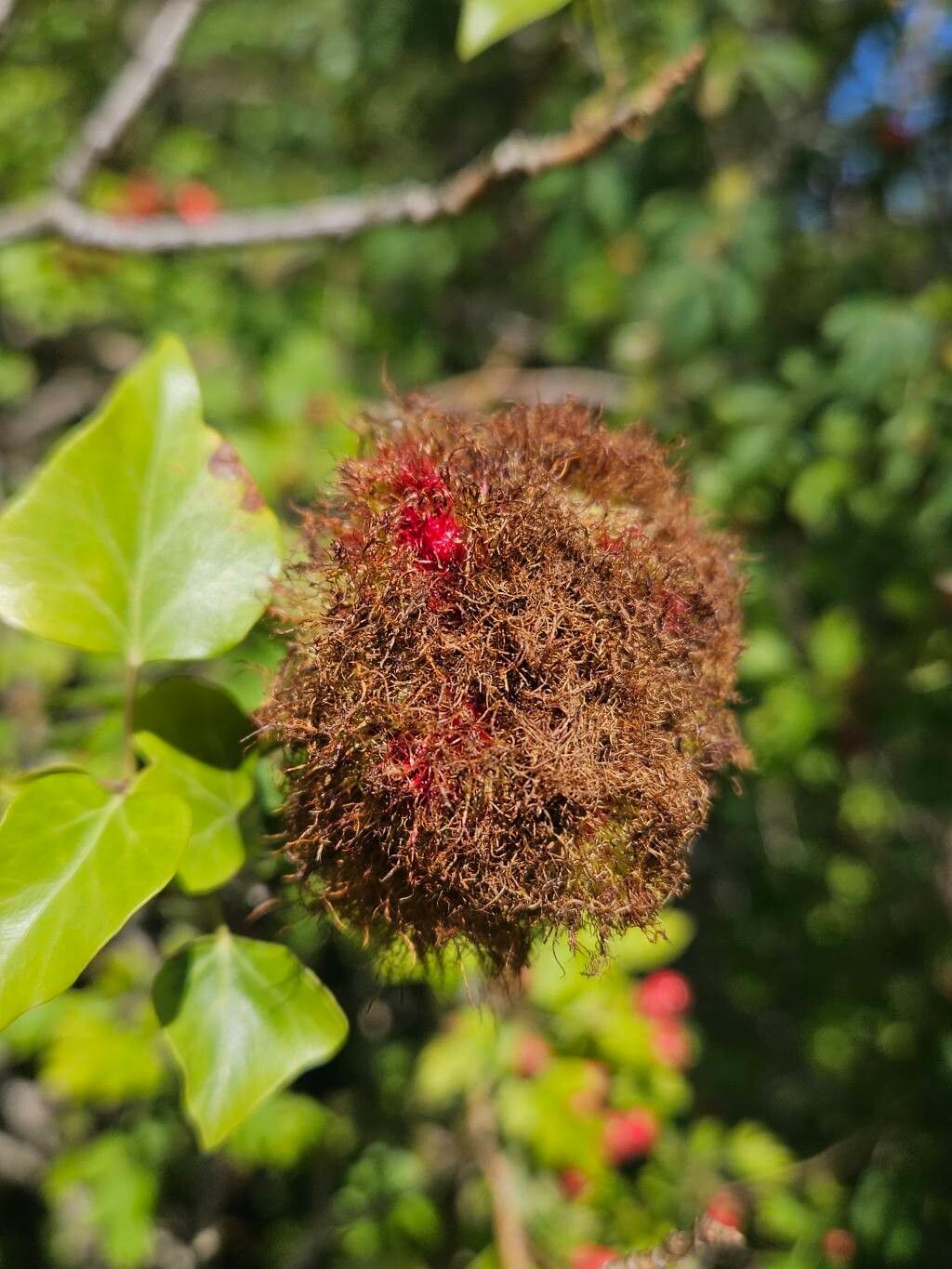
Oh, hello there! Come on in, pull up a chair. I’ve got a fresh pot of coffee brewing, and I’m so excited to chat with you about a simply divine rose: Rosa agrestis. If you’ve ever seen this darling wild rose gracing a hedgerow with its beautiful single blooms and fragrant hips, you’ve probably fallen a little bit in love. And guess what? You absolutely can bring that charm into your own garden. Propagating Rosa agrestis is a wonderfully rewarding way to fill your space with its delicate beauty, and while it takes a little patience, it’s absolutely doable for beginners. Don’t let that wild appeal fool you; with a bit of know-how, you’ll be success!
The Best Time to Start
When it comes to getting new Rosa agrestis plants going, think about a plant that’s in active growth, but not too stressed. For softwood cuttings, which are generally the easiest for this particular rose, I always aim for late spring or early summer. You’ll want to take cuttings when the current year’s growth is flexible and starting to semi-harden off. Look for stems that bend without snapping too easily, but aren’t quite woody yet. If you miss that window, you can also try semi-hardwood cuttings in late summer.
Supplies You’ll Need
Alright, let’s get you prepped. Here’s what you’ll want to have on hand:
- A clean, sharp pruning shear or sharp knife: Accuracy is key to clean cuts that heal well.
- Rooting hormone: This is a real game-changer for encouraging root development. I prefer powder, but gel works beautifully too.
- Small pots or trays: Make sure they have good drainage holes.
- A light, well-draining potting mix: A good blend of peat moss or coco coir, perlite, and a bit of compost is perfect. Avoid anything too heavy.
- Clear plastic bags or a propagator: This creates a humid microclimate, which is vital for cuttings.
- A watering can with a fine rose: To avoid disturbing your precious cuttings.
- A shaded spot or grow lights: Where you can keep your cuttings out of direct sun.
Propagation Methods: Stem Cuttings
This is my go-to method for Rosa agrestis. It’s efficient and has a really good success rate if you follow a few key steps.
Softwood Cuttings (Late Spring/Early Summer)
- Select your stems: Find healthy, non-flowering shoots on your existing Rosa agrestis. You’re looking for stems about 3-6 inches long that are slightly flexible but not floppy.
- Make the cut: Using your clean shears, take cuttings just below a leaf node. A leaf node is where a leaf attaches to the stem. This is where the magic happens in terms of root formation.
- Prepare the cuttings: Remove the lower leaves, leaving just one or two at the very top. If the top leaves are very large, you can carefully cut them in half (horizontally) to reduce water loss through transpiration. You can also gently scrape a thin strip of bark from the bottom inch of the stem – this exposes more surface area for roots to emerge.
- Apply rooting hormone: Dip the cut end of each cutting into your chosen rooting hormone, tapping off any excess.
- Plant your cuttings: Fill your pots or trays with your potting mix and moisten it thoroughly. Insert the prepared cuttings about 1-2 inches deep into the mix, making sure the leaf nodes are covered. Gently firm the soil around each cutting.
- Create humidity: Water gently so as not to dislodge the cuttings. Then, cover the pots or trays with a clear plastic bag or pop them into a propagator. Secure the bag so it doesn’t touch the leaves.
The “Secret Sauce” (Pro Tips)
Here are a few little tricks I’ve picked up over the years that really help boost your propagation success:
- The “nick and dip”: After you take your cutting, make about a 1/2-inch vertical slit on one side of the bottom end of the stem, going just through the bark. Then, dip this whole end (nick included) into the rooting hormone. This can give the roots an extra “foothold” to grow from.
- Bottom heat is your friend: If you have a propagator, using a heated mat underneath can make a huge difference. It encourages root growth from below while the top stays cooler, mimicking natural soil conditions and tricking the plant into thinking it’s time to get rooting!
- Refresh the air: Even with a slightly open propagator or a bag that’s not perfectly sealed, it’s good practice to “burp” your cuttings every few days. Just lift the bag or open the propagator for a few minutes. This helps prevent fungal issues from too much stagnant moisture.
Aftercare & Troubleshooting
Once your cuttings are potted up, find them a bright spot, but out of direct sunlight. Keep the soil consistently moist but not waterlogged. This is crucial. If the leaves start to droop, it’s a sign they’re drying out.
You’ll know your cuttings are taking root when you see new leaf growth appearing. This can take anywhere from 3-6 weeks, sometimes longer. Gently tug on a cutting; if there’s resistance, roots have formed!
Now, the most common issue you’ll encounter is rot. This usually happens from overwatering or poor air circulation. If you see a cutting turning black and mushy, or developing fuzzy white mold, unfortunately, it’s probably best to discard it to prevent it from spreading to others. Don’t get discouraged if you lose a few – it’s part of the learning process!
A Encouraging Closing
See? It’s not as daunting as it might seem. Propagating Rosa agrestis is all about patience and observation. Each little sprout is a testament to your care and a promise of future beauty. So go ahead, give it a try! Enjoy the process, learn from each cutting, and soon you’ll be surrounded by your very own charming wild roses. Happy gardening!
Resource:
https://identify.plantnet.org/k-world-flora/species/Rosa%20agrestis%20Savi/data