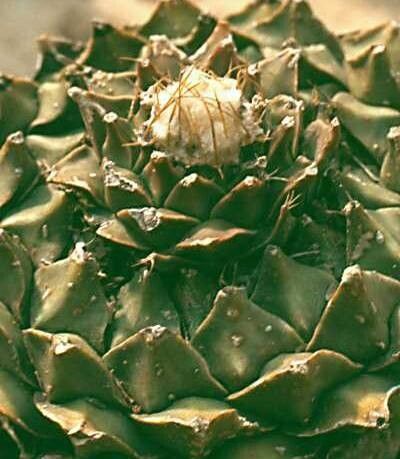
Hey there, fellow plant lover! If you’ve ever laid eyes on Obregonia denegrii, you know it’s a stunner. This little cactus, with its unique, flattened, scale-like tubercles, looks like something plucked from a fairytale. It’s a real conversation starter, and honestly, seeing one thrive in your collection is just pure joy. Now, getting more of these beauties might sound a bit daunting, but I’m here to tell you it’s absolutely doable, even if you’re just dipping your toes into the world of cactus propagation. It’s a rewarding journey, watching a tiny piece of your beloved plant grow into a new life!
The Best Time to Start
When it comes to propagating Obregonia denegrii, timing is everything. You’ll have the best luck starting this project in the late spring or early summer. This is when the plant is actively growing and has plenty of energy to dedicate to rooting. Forget about trying this during its dormant period in winter; it’s like asking someone to run a marathon without any breakfast. So, wait for those warmer days and longer daylight hours – your little Obregonia will thank you for it.
Supplies You’ll Need
Gathering your tools before you begin makes the whole process so much smoother. Here’s what I always have on hand:
- Well-draining potting mix: I mix my own with equal parts perlite, coarse sand, and a good quality cactus and succulent soil. You can also buy a pre-made cactus mix and just add extra perlite.
- Sharp, sterilized pruning shears or a clean knife: For making clean cuts. Don’t use your kitchen knife, please!
- Rooting hormone (optional but helpful): A good quality powder or gel can give your cuttings a boost.
- Small pots or trays: Terracotta pots are great because they breathe. Make sure they have drainage holes!
- Gravel or small pebbles: For a top dressing and to help support the cuttings.
- Water (distilled or rainwater is best): For misting and eventual watering.
- A clean, dry surface: For callusing your cuttings.
- Gloves (optional): If you’re sensitive to cactus spines.
Propagation Methods
For Obregonia denegrii, the most successful method I’ve found is through stem cuttings. It’s straightforward and yields excellent results when done correctly.
Here’s how I do it:
- Select a healthy stem: Look for a mature, healthy shoot growing from the base of your Obregonia. I’m talking about a segment that looks robust and has developed its characteristic tubercle structure.
- Make the cut: Using your sterilized pruning shears or knife, make a clean cut as close to the main body of the plant as possible. Try to get a decent-sized piece, at least an inch or two long, with a few tubercles.
- Let it callus: This is a crucial step! Place the cutting on a clean, dry surface in a bright, airy spot, out of direct sunlight. I usually leave mine for 3-7 days. You want the cut end to dry and form a protective callus. This prevents rot from setting in when you plant it.
- Apply rooting hormone (optional): Once callused, you can dip the cut end into rooting hormone. Just a light dusting is all you need.
- Plant your cutting: Fill your small pot with your well-draining potting mix. Make a small indentation in the soil with your finger and gently insert the callused end of the cutting. You don’t need to bury it deeply, just enough so it stands upright. I like to add a thin layer of gravel on top to help with stability and drainage.
- Be patient: Resist the urge to water immediately. I wait about a week after planting before giving it its first, very light watering. After that, water sparingly whenever the soil is completely dry.
The “Secret Sauce” (Pro Tips)
After years of tinkering, I’ve picked up a few tricks that really make a difference. These are the little things that often go unsaid but can elevate your success rate.
- Bottom Heat is Your Friend: For root-loving plants like cacti, a little gentle warmth from below can be a game-changer. I love using a heating mat designed for seedlings for my cuttings. Place your pot on top of it, and it encourages root development much faster than just ambient room temperature.
- Don’t Over-Mist: While you want to keep the environment slightly humid for those initial stages, avoid getting the actual Obregonia cutting itself constantly wet, especially if it’s not callused properly. Excess moisture on the plant tissue is a fast track to rot. I prefer to mist the soil lightly or use a gentle watering can.
- Listen to Your Plant: Cacti are stoic, but they do communicate. If a cutting suddenly looks shriveled, it might need a tiny bit more water. If it turns yellow or mushy, it’s probably rot and you’ve probably oversprayed or not callused it enough. Learn to read these subtle cues!
Aftercare & Troubleshooting
Once you see signs of new growth – maybe a tiny little root poking out of the drainage hole or a fresh, miniature tubercle forming at the base – congratulations! You have a new plant in the making.
Continue to water sparingly. Let the soil dry out completely between waterings. As your new Obregonia gets bigger, you can gradually increase the pot size and eventually treat it like a mature plant, with more robust watering during its growing season.
Now, let’s talk about the not-so-fun stuff: troubleshooting. The biggest nemesis of propagated cacti is rot. If your cutting starts to look mushy, black, or develops a foul smell, it’s almost certainly rot. This usually happens from too much moisture and not enough callusing. If you catch it early, you might be able to cut away the rotten part and let the healthy section callus again. If it spreads quickly, sadly, it might be best to discard it to prevent it from affecting other plants. Another sign of poor rooting is if the cutting remains wobbly and has no firmness after several weeks, indicating no roots have formed.
A Encouraging Closing
Propagating any plant takes a bit of patience, and Obregonia denegrii is no exception. Don’t get discouraged if your first attempt isn’t a runaway success. Gardening is all about learning, experimenting, and enjoying the process. Each little plant you nurture is a testament to your dedication and a beautiful addition to your green haven. So, go forth, have fun, and happy propagating!
Resource:
https://identify.plantnet.org/k-world-flora/species/Obregonia%20denegrii%20Frič/data