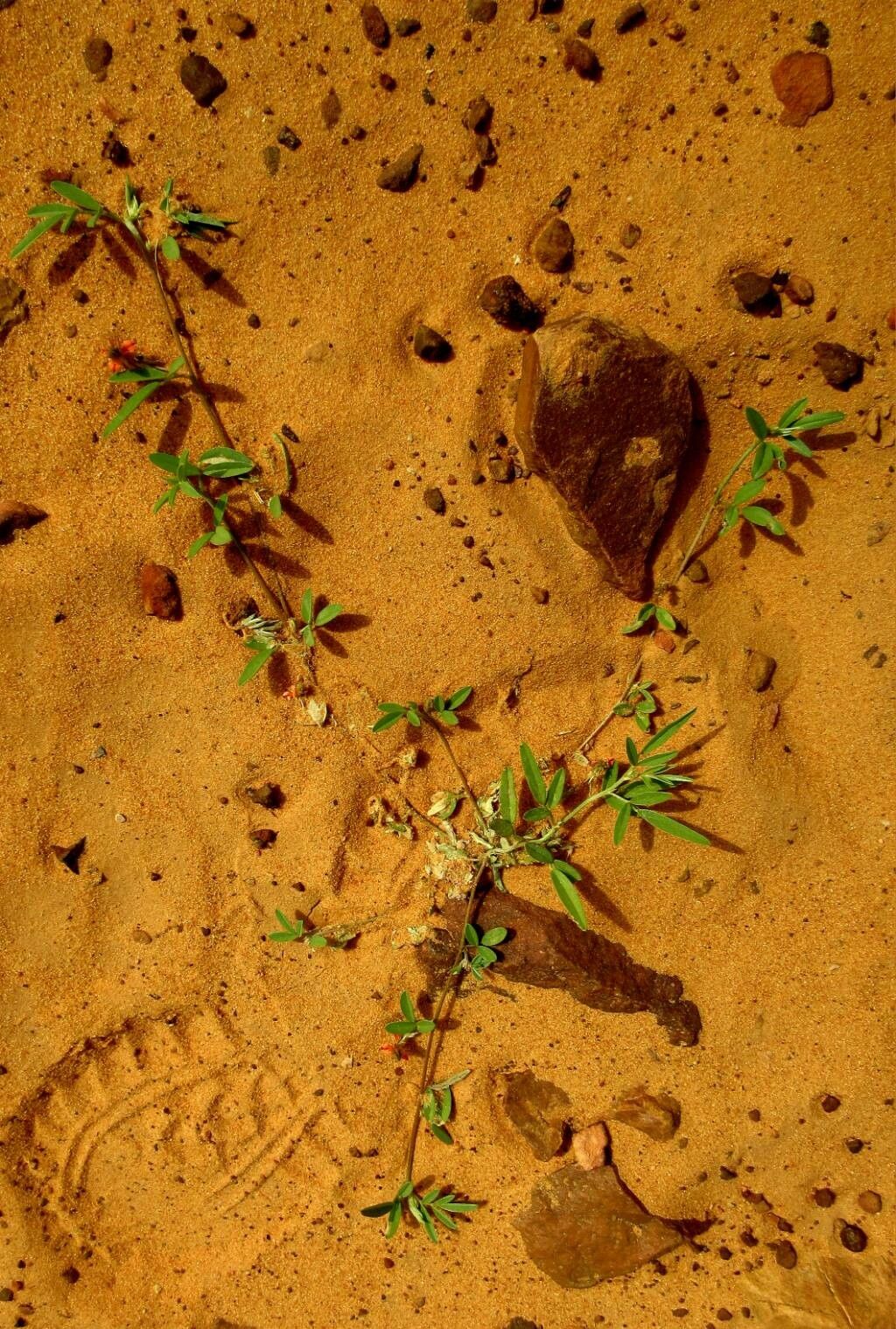
Oh, hello there! Pull up a chair and let’s chat about a plant that’s really captured my heart over the years: Indigofera senegalensis. You might know it by its common name, the Senegal Indigo, or perhaps you just admire its graceful, airy foliage and the surprising pops of purple-pink flowers it offers. It’s a truly lovely addition to any garden, bringing a touch of the exotic without being overly fussy.
Now, if you’re a beginner looking for a propagation project, I’ll be honest, Indigofera senegalensis is a wonderful plant to start with. It’s not one of those finicky divas that requires a doctorate in botany to get going. There’s a real satisfaction in taking a tiny piece of a plant and nurturing it into a whole new life. It’s like magic, but with a bit of dirt and water involved!
The Best Time to Start
For the absolute best chance of success with Indigofera senegalensis, I always recommend propagating from softwood cuttings in late spring or early summer. This is when the plant is in its active growth phase. The new shoots are pliable and full of energy, making them ideal for rooting. You want to catch them just as they’re developing but before they become too woody. Think of it like taking a tip from a vibrant, young branch – that’s your sweet spot.
Supplies You’ll Need
Gathering your tools beforehand makes the whole process so much smoother. Here’s what I typically have on hand:
- Sharp Pruning Shears or a Craft Knife: Clean cuts are crucial for preventing disease and encouraging new growth.
- Rooting Hormone (Optional but Recommended): A gel or powder can really give your cuttings a boost.
- Well-Draining Potting Mix: I love a mix of perlite, peat moss, and coarse sand (about a 1:1:1 ratio). Or, a good quality starter mix works wonderfully.
- Small Pots or Seedling Trays: Clean pots are a must!
- Plastic Bags or a Propagator: To create a humid environment.
- Watering Can with a Fine Rose: For gentle watering.
Propagation Methods
Let’s get our hands dirty! Stem cuttings are my go-to for Indigofera senegalensis.
Stem Cuttings
- Take Your Cuttings: Select healthy, non-flowering stems from your parent plant. Using your sharp shears, make a clean cut just below a leaf node (where a leaf attaches to the stem). Aim for cuttings that are about 4-6 inches long.
- Prepare the Cuttings: Gently remove the lower leaves, leaving just a few at the top. If the upper leaves are very large, you can cut them in half to reduce water loss through transpiration.
- Apply Rooting Hormone (Optional): Dip the cut end of the stem into your rooting hormone, tapping off any excess.
- Plant the Cuttings: Fill your clean pots with your prepared potting mix. Make a small hole in the center with your finger or a pencil. Insert the cutting into the hole, ensuring the leaf nodes are covered by the soil. Gently firm the soil around the cutting.
- Water Gently: Water the soil thoroughly but gently until you see water draining from the bottom of the pot.
- Create Humidity: Cover the pots loosely with a clear plastic bag or place them in a propagator. This traps moisture and creates the humid environment the cuttings need to root. Make sure the leaves aren’t touching the plastic.
- Provide Light and Warmth: Place the pots in a bright location, but out of direct sunlight. A warm spot is also beneficial; I often use a heated propagator for this.
The “Secret Sauce”
Here are a few little tricks I’ve learned along the way that can really make a difference:
- Don’t Be Afraid to Be Ruthless: Sometimes, I’ll take cuttings that are a little bit longer and then pinch off the very tip after planting. This encourages the cutting to branch out a bit once it roots, leading to a bushier plant.
- Bottom Heat is Your Friend: While not strictly mandatory, using bottom heat from a heated propagator or a heat mat can significantly speed up the rooting process. It mimics the warmth from the soil that would encourage roots in the wild.
- Watch for the “Pull”: As your cuttings start to root, you might notice a very slight resistance when you gently tug on them. That’s a good sign that roots have formed! Resist the urge to pull them up too soon to check – patience is key here.
Aftercare & Troubleshooting
Once you see new growth emerging from the top of your cutting, it’s a clear sign that roots have developed! This is where the real nurturing begins.
- Acclimatize Gradually: If you’ve been using a plastic bag, start to loosen it or open it for longer periods over a few days before removing it completely. This helps the new plant adjust to normal humidity levels.
- Watering: Continue to keep the soil consistently moist, but not waterlogged. Allow the top inch of soil to dry out slightly between waterings.
- Light: Gradually move your newly rooted plant into brighter light, eventually leading to the same conditions as your mature Indigofera senegalensis.
Troubleshooting: The most common issue you’ll encounter is rot. This usually happens when the cuttings are kept too wet or don’t have enough air circulation. If a cutting looks dark, mushy, or starts to fall over, it’s likely rotted. Unfortunately, there’s not much you can do once that happens. The best approach is to discard the affected cutting and review your watering and ventilation for the others.
A Little Encouragement
See? Propagating Indigofera senegalensis is quite manageable and incredibly rewarding. Be patient with your little cuttings; they have their own timeline. Celebrate every tiny leaf and every hint of root. The joy of multiplying your plant collection this way is a special kind of gardening pleasure. Happy propagating!
Resource:
https://identify.plantnet.org/k-world-flora/species/Indigofera%20senegalensis%20Lam./data