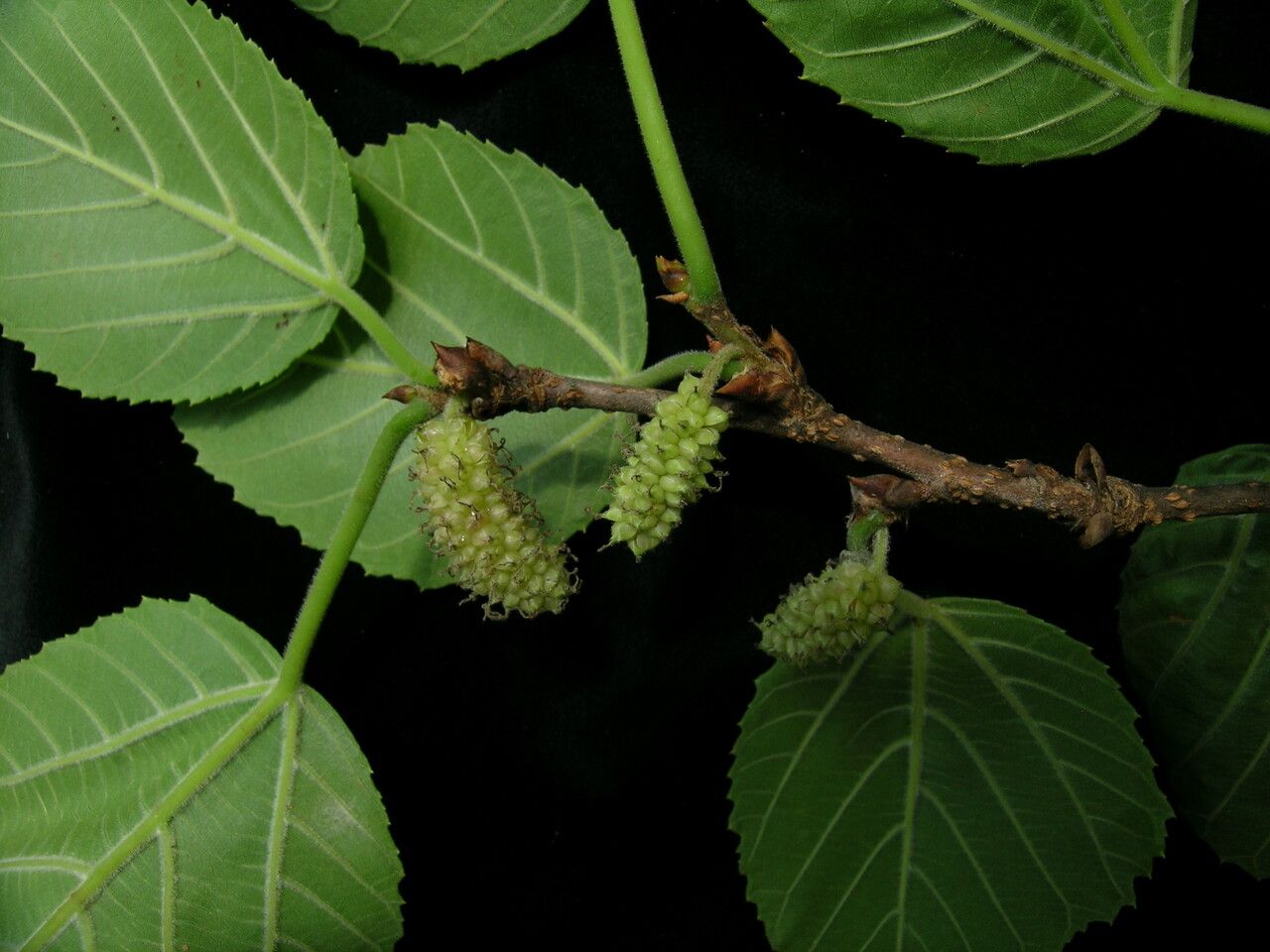
Oh, the joy of coaxing new life from a beloved plant! Today, we’re diving into the wonderful world of propagating Morus serrata, also known as the Himalayan Mulberry. If you’ve ever admired its graceful leaves, perhaps even its delicious (though small) fruit, you’re going to love this. Growing a new mulberry from a piece of an existing one is incredibly satisfying. It’s a process that connects you directly to the plant’s lifecycle, and honestly, it’s not as daunting as it might seem at first. While some propagation can be tricky, I find Morus serrata to be quite agreeable, making it a fantastic project even if you’re newer to the green scene.
The Best Time to Start
For the best odds of success with your Morus serrata, I always recommend working with softwood cuttings in the late spring or early summer. This is when the plant is actively growing and has plenty of energy. You’re looking for new growth that’s flexible and green, not yet hardened and woody. If you miss this window, you can try with semi-hardwood cuttings later in the summer, but softwood is generally much easier to root.
Supplies You’ll Need
Gathering your tools beforehand makes the whole process smoother. Here’s what I usually have on hand:
- Sharp Pruning Shears or a Knife: Clean cuts are crucial for preventing disease and encouraging rooting.
- Rooting Hormone: This isn’t always strictly necessary for mulberries, but it can give you a significant boost in success rates and speed up root formation. Look for a powder or liquid type.
- Well-Draining Potting Mix: A good blend is essential. I often use a mix of peat moss or coco coir, perlite, and a little bit of coarse sand. Some gardeners swear by a 50/50 mix of perlite and peat moss for cuttings.
- Small Pots or Seed Trays: Clean, small pots (around 4-6 inches) are perfect for individual cuttings.
- Plastic Bags or a Propagator: Creating a humid environment helps keep those cuttings from drying out before they root. A clear plastic bag can work wonders!
- Water: For hydrating your cuttings and keeping your soil moist.
- Labels: Don’t forget to label your pots! Trust me, you’ll thank yourself later.
Propagation Methods
Let’s get our hands dirty! Here are the methods I’ve found most effective for Morus serrata.
Stem Cuttings (The Most Common)
This is my go-to for mulberries. It’s straightforward and yields great results.
- Take Your Cuttings: On a pleasant morning, using your clean shears, take cuttings from healthy, actively growing stems. Aim for pieces that are about 6 to 8 inches long. Make your cuts just below a leaf node (where a leaf attaches to the stem).
- Prepare the Cuttings: Remove all but the top 2-3 leaves. If any of the remaining leaves are very large, you can even cut them in half horizontally to reduce water loss. Gently scrape away a thin sliver of bark from one side of the bottom inch of the stem. This exposes the cambium layer, which encourages root development.
- Apply Rooting Hormone: Dip the scraped end of the cutting into your rooting hormone. Tap off any excess.
- Plant Your Cuttings: Fill your clean pots with your prepared potting mix. Make a hole in the center with a pencil or dowel. This prevents the rooting hormone from rubbing off. Insert the cutting into the hole deep enough so that at least one leaf node is buried. Gently firm the soil around the base of the cutting.
- Water and Cover: Water thoroughly until the soil is evenly moist. Then, place the pot inside a clear plastic bag, being careful not to let the leaves touch the plastic. You can use stakes or skewers to hold the bag up. Seal the bag to create a humid microclimate.
Water Propagation (A Simpler Approach)
While not as common for woody plants, mulberries can sometimes root in water, especially softer growth. It’s a fun way to watch the roots develop.
- Prepare the Cuttings: Follow steps 1 and 2 from the stem cutting method, focusing on healthy, new growth.
- Place in Water: Dip the bottom of the cutting in water and then place it in a clean jar or glass of fresh water.
- Location and Maintenance: Place the jar in a bright spot, but out of direct sunlight. Change the water every 2-3 days to keep it fresh and prevent rot.
- Transplanting: Once you see plenty of healthy roots developing (at least an inch or two long), you can carefully transplant them into your well-draining potting mix, just like you would with a seedling. Water well and keep them in a humid environment for a few days.
The “Secret Sauce” (Pro Tips)
After years in the garden, you learn a few tricks that can really make a difference.
- Bottom Heat is Your Friend: If you have an old seedling heat mat, this is the perfect time to use it! Placing your pots on a gentle heat source can significantly speed up root formation. You want the soil to be warm, not hot – think a gentle cozy blanket for your cuttings.
- Don’t Overwater the Soil (Initially): While humidity is key, overwatering the soil in the pot can lead to rot before roots even form. The goal is consistently moist, not soggy. The plastic bag will help trap that moisture.
- A Gentle Bottom Water Flush: When you first water after planting, I like to water from the bottom. Place your pot in a tray of water and let it soak up moisture until the surface is damp. This ensures even hydration without disturbing the rooting hormone or the cutting itself.
Aftercare & Troubleshooting
Once you spot those first signs of roots – a little pull on the cutting will reveal resistance, or you might see new leaf growth – it’s time to start transitioning.
- Gradual Acclimation: If you used a plastic bag, start by opening it for a few hours a day to let the cuttings get used to drier air. Gradually increase the time the bag is open over a week or so.
- Increased Light: Once they are showing good growth and seem established, you can move them to a brighter spot, still avoiding harsh direct sun for the first week or two.
- Continued Watering: Keep the soil consistently moist, allowing the top inch to dry out slightly between waterings.
Now, about troubleshooting. The most common issue you might encounter is rot. If your cutting turns black and mushy, it’s likely rotted. This is often due to too much moisture or not enough air circulation. If you see this, sadly, that cutting is lost. Another sign of failure is wilting that doesn’t perk up after watering, suggesting it hasn’t rooted and is drying out. Hygiene is key here – always use clean tools and pots to minimize the risk of fungal infections.
A Encouraging Closing
Propagating Morus serrata is a journey, and like all good gardening endeavors, it requires a dash of patience and a whole lot of hope. Don’t be discouraged if your first attempt isn’t a runaway success. Each plant you grow, each new root you foster, is a testament to your dedication and love for your garden. So, gather your supplies, find a sunny spot, and enjoy the magical process of bringing a new mulberry tree to life! You’ve got this!
Resource:
https://identify.plantnet.org/k-world-flora/species/Morus%20serrata%20Roxb./data