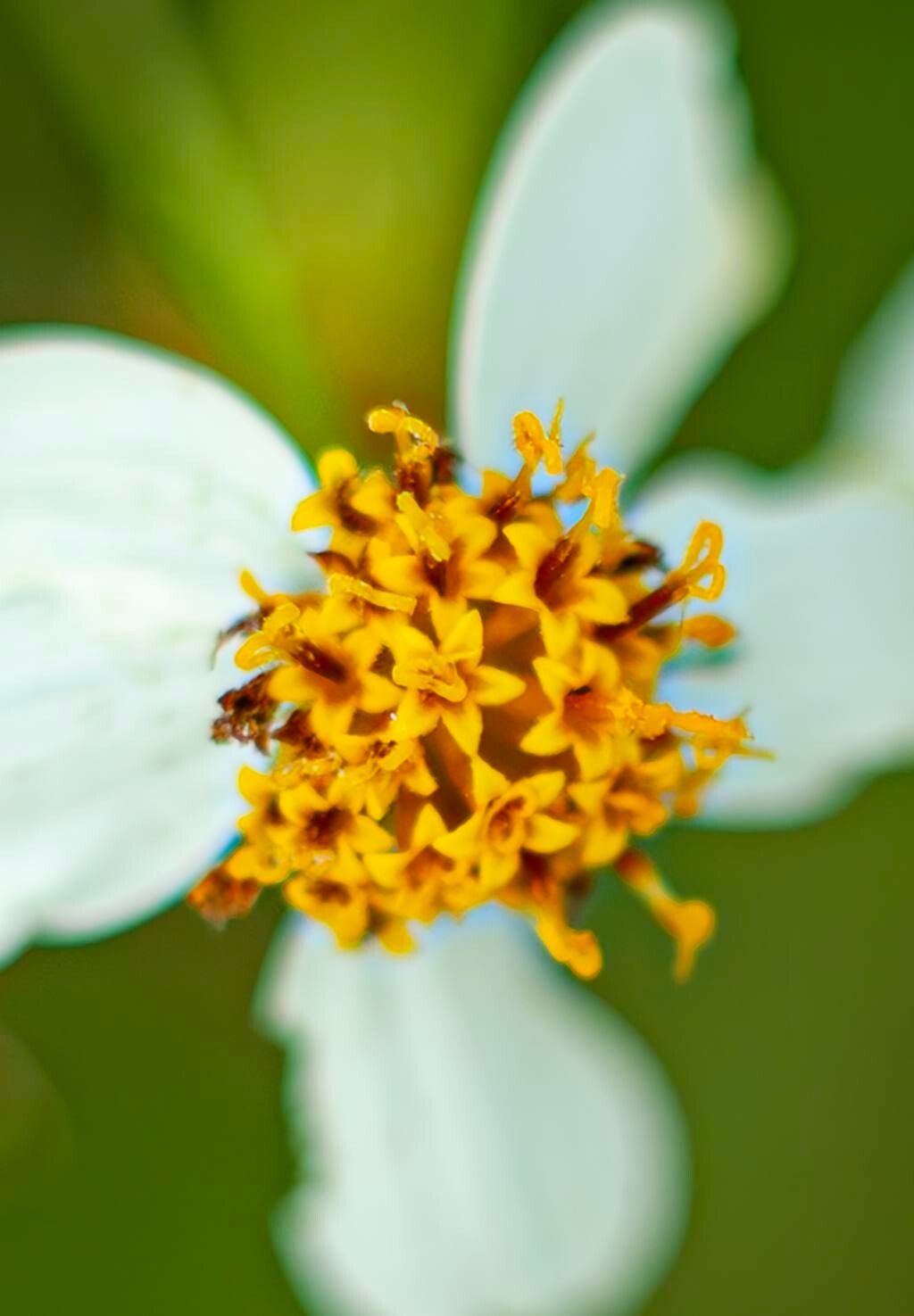
Hello, fellow plant lovers! It’s so wonderful to connect with you today. For years, I’ve adored Bidens alba, that cheerful little plant with its sunny, daisy-like flowers and delicate ferny foliage. It’s a real magnet for our pollinator friends, and honestly, just brings a smile to my face. The best part? It’s incredibly easy to propagate! If you’re new to the gardening game or just looking for a rewarding way to fill your garden beds, this is absolutely your plant.
The Best Time to Start
My favorite time to get Bidens alba going from cuttings is in the late spring or early summer. The plant is actively growing, and the new shoots are perfect for rooting. You want to take cuttings from healthy, non-flowering stems. Think of it as taking a lively sprig before it gets too busy with producing flowers.
Supplies You’ll Need
Gathering your supplies ahead of time makes the whole process smooth sailing. You’ll want:
- Sharp pruning shears or a clean craft knife.
- A good seed-starting mix or a blend of peat moss and perlite. I often find a mix that’s light and drains well is key.
- Small pots or trays with drainage holes. Old yogurt cups with holes poked in the bottom work in a pinch!
- A spray bottle with water.
- Optional: Rooting hormone can give you a little extra boost, but honestly, Bidens alba is so vigorous, you might not even need it.
Propagation Methods
Let’s dive into how we can get more of these beauties!
Stem Cuttings: This is my go-to method, and it’s so rewarding.
- Take Your Cuttings: Select a healthy stem and cut a piece about 4-6 inches long. Make your cut just below a leaf node (where the leaves attach to the stem).
- Prepare the Cuttings: Gently strip off the lower leaves, leaving just a couple at the very top. This prevents them from rotting in the soil. If you’re using rooting hormone, dip the cut end into it now.
- Plant Your Cuttings: Fill your pots with the potting mix. Make a hole with your finger or a pencil and gently insert the cut end of the stem. Firm the soil around it so it stands upright.
- Water and Cover: Water thoroughly until you see it drain from the bottom. Then, cover the pots loosely with a plastic bag or place them in a clear plastic propagator. This creates a humid environment, which is perfect for rooting.
Water Propagation: This is a fun, visual method!
- Prepare Your Cuttings: Follow steps 1 and 2 from the stem cutting method.
- Place in Water: Pop the cuttings into a jar or glass of water. Make sure no leaves are submerged; they’ll rot quickly.
- Change the Water Regularly: Over the next few weeks, change the water every few days. You’ll start to see little white roots emerge from the nodes. Once the roots are about an inch long, you can transplant them into soil.
The “Secret Sauce” (Pro Tips)
Here are a couple of things I’ve learned over the years that really help:
- Don’t crowd your cuttings. Give them a little breathing room in their pots. This helps with air circulation and reduces the risk of fungal issues.
- Consider bottom heat. If you have a propagation mat or can place your pots on top of your refrigerator (where it’s a little warmer), this can really speed up root development. It mimics the warmth of the soil in spring.
Aftercare & Troubleshooting
Once your cuttings have started to root (you’ll see new leaf growth or feel some resistance when you gently tug), it’s time for a little extra care.
- Gradual Acclimation: If you used a plastic cover, slowly start to remove it over a few days to let your new plants get used to the drier air.
- Regular Watering: Keep the soil consistently moist but not waterlogged. You want it to feel like a wrung-out sponge.
- Troubleshooting: The most common issue is rot. If you see your cuttings turning mushy and brown, it’s usually a sign of too much moisture and not enough air circulation. Don’t be discouraged; just try again with fresh material and be sure to give them more airflow.
And there you have it! Propagating Bidens alba is a truly joyful process. Be patient with your little ones, observe them closely, and enjoy watching them grow. Happy gardening!
Resource:
https://identify.plantnet.org/k-world-flora/species/Bidens%20alba%20(L.)%20DC./data