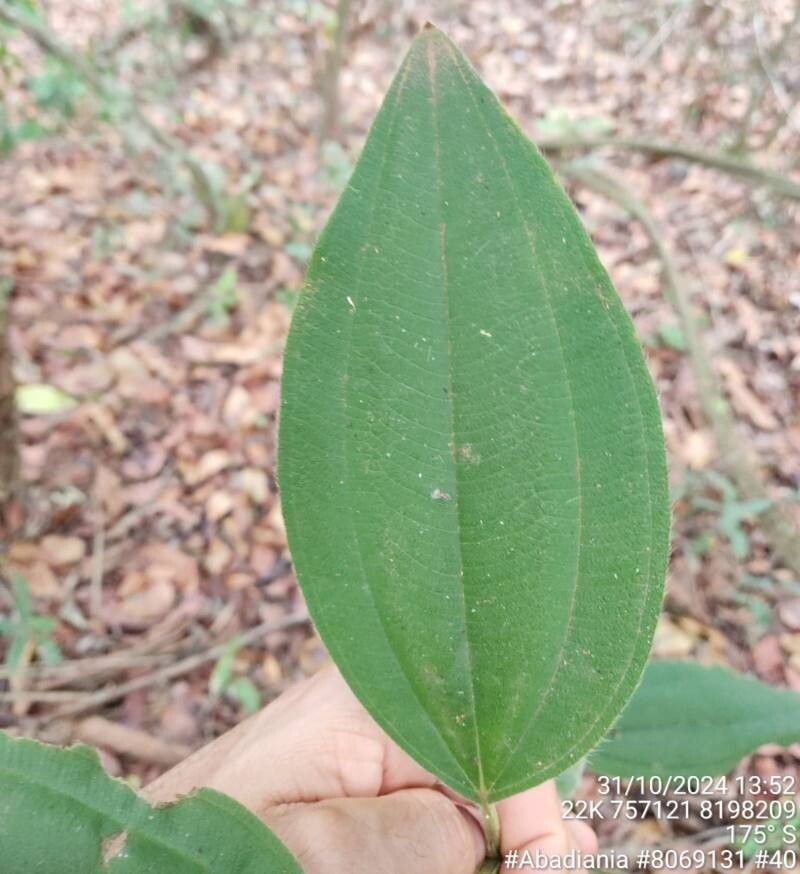
Oh, Pleroma stenocarpum! Is there anything quite like seeing those vibrant purple blooms unfurl each year? I’ve always been captivated by its intense color and the sheer joy it brings to a garden. If you’ve ever admired this beauty and wished you had more of it, you’re in for a treat. Propagating Pleroma stenocarpum is a wonderfully rewarding process, and while it’s not the easiest plant for absolute beginners, it’s certainly achievable with a little care and attention. You can absolutely do this!
The Best Time to Start
For the highest chance of success, I always aim to take cuttings in the late spring or early summer. This is when the plant is actively growing, and the new shoots are semi-hardwood – not too soft and floppy, and not yet woody and tough. It’s a sweet spot that allows the cuttings to root more readily.
Supplies You’ll Need
Before we dive in, let’s gather our arsenal. Having everything ready makes the process so much smoother.
- Sharp Pruning Shears or a Knife: Cleanliness is key! Sterilize them with rubbing alcohol.
- Rooting Hormone: A good quality rooting hormone powder or gel will significantly boost your success rates.
- Potting Mix: I prefer a light, well-draining mix. A blend of perlite, peat moss, and a little bit of coarse sand works wonders. You can also find specialized seed starting or cutting mixes.
- Small Pots or Trays: Clean containers with drainage holes are essential. Yogurt cups with holes poked in the bottom can even work in a pinch!
- Plastic Bag or Propagator Lid: This creates a humid environment for our cuttings.
- Watering Can or Spray Bottle: For gentle watering.
- Labels: Don’t forget to label your cuttings with the date! Trust me, you’ll thank yourself later.
Propagation Methods: Stem Cuttings
This is hands-down my favorite and most reliable method for Pleroma stenocarpum. It’s straightforward and yields excellent results.
- Select Your Stems: Look for healthy, non-flowering shoots that are about 4-6 inches long. They should be flexible but not bendy.
- Make the Cut: Using your sterilized shears, make a clean cut just below a leaf node. A leaf node is where a leaf grows from the stem; this is where roots are most likely to form.
- Prepare the Cutting: Gently remove the lower leaves from the stem, leaving only the top two or three leaves. This prevents them from rotting when placed in the soil. If the remaining leaves are very large, you can snip them in half horizontally to reduce water loss.
- Apply Rooting Hormone: Dip the cut end of the stem into your rooting hormone, tapping off any excess.
- Plant the Cuttings: Make small holes in your prepared potting mix with a pencil or your finger. Gently insert the cuttings into the holes, making sure the rooting hormone-coated end is in contact with the soil. Firm the soil gently around the base of each cutting.
- Water Gently: Water the soil thoroughly but gently. You want it moist but not waterlogged.
- Create Humidity: Cover the pots or trays with a clear plastic bag or a propagator lid. This traps moisture and creates the humid environment the cuttings need to root. Make sure the plastic doesn’t touch the leaves if possible. If it does, prop it up slightly.
- Place in Bright, Indirect Light: Find a spot that gets bright light but no direct sun, which can scorch the delicate cuttings. A bright windowsill is usually perfect.
The “Secret Sauce” (Pro Tips)
Here are a few tricks I’ve picked up over the years that can make a real difference:
- Bottom Heat is Your Friend: If you have a heat mat designed for seedlings, placing your pots on it can significantly speed up rooting. Roots love warmth! It mimics the natural warmth of the soil in warmer months.
- Don’t Mist Too Much: While humidity is crucial, constantly misting can sometimes encourage fungal issues. Using a closed propagator or a plastic bag is a more consistent way to maintain humidity without over-watering the leaves, which can lead to rot.
- Patience with the Hormone: While rooting hormone is great, don’t be tempted to over-apply. A light coating is all that’s needed. Too much can actually inhibit rooting for some plants.
Aftercare & Troubleshooting
Once your cuttings have started to root – and you’ll know this when you see new leaf growth or feel a gentle resistance when you tug on the stem – it’s time for a little more attention.
Gradually acclimate your rooted cuttings to less humid conditions. Open the plastic bag or propagator lid for a few hours each day, increasing the time over a week or two. Continue to keep them in bright, indirect light. Water them when the top inch of soil feels dry.
What if things go wrong? The most common culprit is rot. If you see a cutting turning black and mushy, it’s usually due to too much moisture and lack of airflow. Sadly, these cuttings are unlikely to recover, so it’s best to remove them to prevent any spread. Overwatering is the usual cause, so ensure your soil drains exceptionally well and that you’re not drowning your little ones. Wilting can sometimes be a sign of dehydration, but check the soil first – if it’s dry, give it a gentle watering. If it’s wet and the stem is limp, it might be rot.
A Warm Encouragement to Grow
Propagating plants is an exercise in patience and observation. Don’t be discouraged if not every cutting takes. Gardening is a journey of learning, and each attempt teaches you something new. Take joy in the process, celebrate every new root you see, and soon you’ll have a small army of your own beautiful Pleroma stenocarpum to share (or keep all to yourself!). Happy growing!
Resource:
https://identify.plantnet.org/k-world-flora/species/Pleroma%20stenocarpum%20(DC.)%20Triana/data