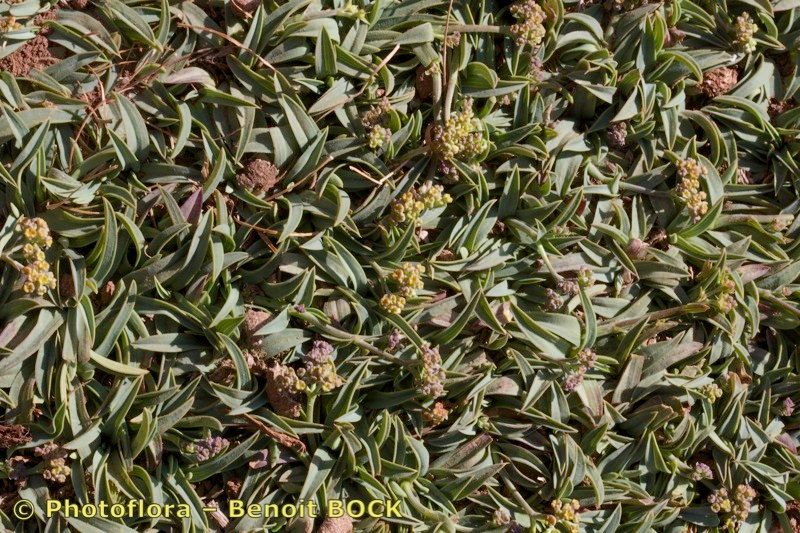
Hello there, fellow garden enthusiasts! It’s wonderful to connect with you today. We’re going to dive into how to propagate Bupleurum atlanticum, a delightful plant that I’ve grown to love over the years.
An Introduction to Bupleurum Atlanticum’s Charm
Bupleurum atlanticum is one of those unsung heroes of the garden. It offers these delicate, airy clusters of yellow-green flowers that just float above its finely textured foliage. They provide a wonderful textural contrast and a subtle, almost ethereal beauty to borders and arrangements. Plus, they attract a good buzz from pollinators! Propagating it is a really rewarding endeavor. You get to witness that spark of life, that potential for a new plant, emerge from a simple cutting or division. For beginners? I’d say it’s moderately easy. It requires a little bit of attention to detail, but it’s not overly fussy.
The Best Time to Start
The sweet spot for propagating Bupleurum atlanticum is generally late spring to early summer. This is when the plant is actively growing and has plenty of energy to put into root development. Starting from softwood cuttings during this period yields the best results. Waiting until after the plant has finished its initial burst of growth but before the intense heat of mid-summer is key.
Supplies You’ll Need
Here’s what you’ll want to have on hand:
- Sharp, clean pruning shears or a sharp knife.
- A well-draining potting mix. I like to use a 50/50 blend of good quality potting soil and perlite or horticultural grit.
- Small pots or trays with drainage holes.
- A clear plastic bag or a propagator lid.
- Rooting hormone (optional, but it can give you a helpful boost).
- A spray bottle for misting.
- If you have access to it, a heat mat can be very beneficial.
Propagation Methods: Let’s Get Our Hands Dirty!
For Bupleurum atlanticum, I find stem cuttings to be the most reliable and efficient method.
Propagating from Stem Cuttings:
- Take Your Cuttings: In late spring or early summer, select healthy, actively growing stems. Look for stems that are not flowering. Using your clean pruning shears, take 4-6 inch cuttings from the tip of a healthy stem. Make the cut just below a leaf node (where a leaf attaches to the stem).
- Prepare the Cuttings: Gently remove the lower leaves from the cutting, leaving only the top 2-3 sets of leaves. If any leaves are very large, you can cut them in half to reduce water loss.
- Apply Rooting Hormone (Optional): If you’re using rooting hormone, dip the cut end of the stem into the powder or gel, tapping off any excess.
- Plant Your Cuttings: Fill your pots or trays with your prepared, well-draining soil mix. Make a small hole in the center of the soil with your finger or a pencil. Insert the cut end of the stem into the hole, ensuring the node where you removed the leaves is buried. Gently firm the soil around the stem.
- Water and Cover: Water the soil gently but thoroughly. Place the pots or trays into a clear plastic bag or cover them with a propagator lid. This creates a mini-greenhouse effect, keeping the humidity high, which is crucial for cuttings to root.
The “Secret Sauce” (Pro Tips)
Now, for a couple of little tricks I’ve learned that can really make a difference:
- Bottom Heat is Your Friend: If you have a heat mat, place your propagator on it. Bupleurum cuttings benefit greatly from consistent warmth from below. This encourages root development much faster than ambient room temperature alone. You’re aiming for soil temperatures around 70-75°F (21-24°C).
- Watch the Condensation: While you want to maintain humidity, you don’t want the leaves to be constantly sitting in water. Open the bag or lid for a short period each day to allow for some air circulation. This helps prevent fungal issues. Don’t let the leaves touch the sides of the plastic cover if possible; this can also encourage rot.
Aftercare & Troubleshooting
Once your cuttings are planted, place them in a bright spot out of direct sunlight. Think of a dappled shade location.
You’ll want to mist the leaves occasionally with your spray bottle, especially if you notice the soil drying out. Check the soil moisture regularly. It should feel consistently moist, but never waterlogged.
Signs of Rooting: In about 3-6 weeks, you should start to see signs of new growth. Gently tugging on a cutting will reveal resistance if roots have formed. You might also see new leaves emerging.
Troubleshooting: The most common issue is rot. If you see your cuttings turning black and mushy at the base, it’s usually a sign of too much moisture and not enough air circulation. If this happens, take the cutting out, discard it, and ensure your soil is indeed draining well. If your cuttings look wilted and haven’t rooted after several weeks, they might be too dry, or they might have simply not taken. It happens! Don’t be discouraged.
Keep Nurturing and Enjoy the Journey
Propagating plants is a dance with nature. It requires patience, observation, and a willingness to learn from both successes and the occasional setback. Celebrate every little sign of life, and don’t be afraid to try again. Soon you’ll have a wonderful supply of Bupleurum atlanticum to share, to fill your own garden spaces, or to tuck into bouquets. Happy propagating!
Resource:
https://identify.plantnet.org/k-world-flora/species/Bupleurum%20atlanticum%20Murb./data