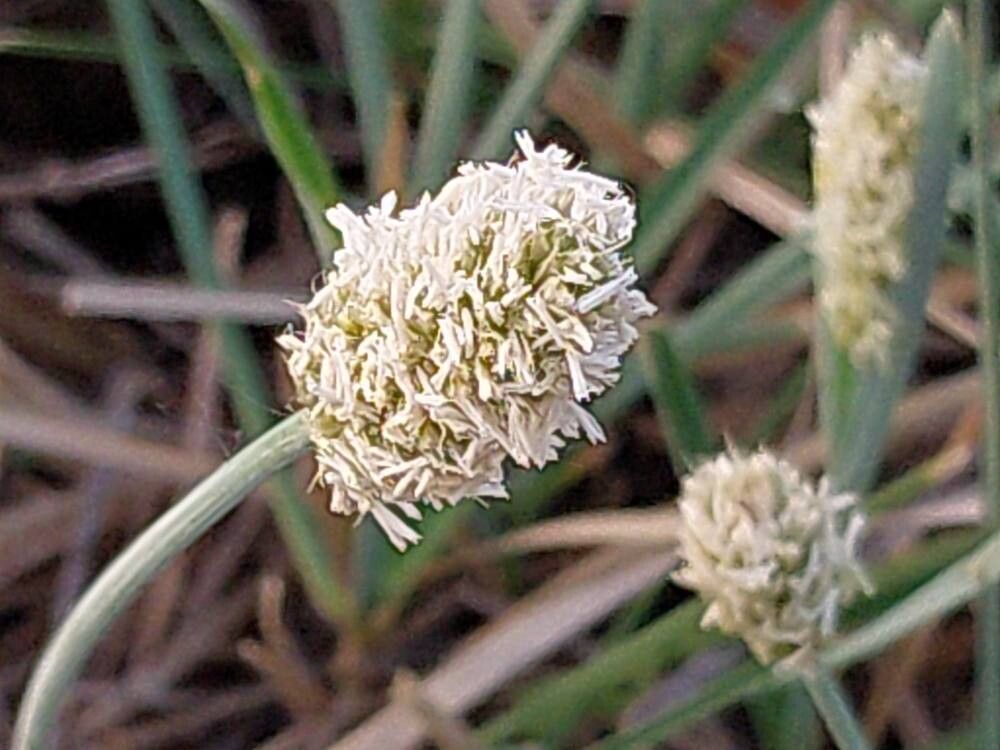
Hello fellow garden enthusiasts! Today, we’re going to talk about a beauty I’ve grown to adore: Sesleria nitida, or Shining Blue Grass. If you’ve ever seen this clump-forming, elegant grass gracing a garden, you’ll know its appeal. The silvery-blue foliage has a lovely shimmer, and it provides year-round structure and interest. Plus, it’s wonderfully drought-tolerant once established.
Want to fill your own garden with this stunner, or perhaps share some with a friend? Propagating Sesleria nitida is a truly rewarding endeavor. And the best part? It’s not overly difficult! I’d say it’s a pretty beginner-friendly plant to try your hand at multiplying.
The Best Time to Start
For the highest success rate with Sesleria nitida, I find that spring is your absolute best bet. As the plant starts actively growing after winter’s rest, it has all the energy it needs to bounce back and establish new roots. Aim to do this just as new growth begins to emerge, typically a few weeks after the last frost.
Supplies You’ll Need
Here’s what you’ll want to have on hand before you begin:
- Sharp Pruning Shears or a Knife: Cleanliness is key to preventing disease.
- Potting Mix: A well-draining mix is crucial. A blend of potting soil and perlite or coarse sand (about a 50/50 ratio) works wonderfully.
- Pots or Trays: Small pots, seed trays, or even repurposed containers with drainage holes will do.
- Rooting Hormone (Optional but Recommended): This can give your cuttings a helpful boost.
- Watering Can or Spray Bottle: For gentle watering.
- Labels: To keep track of what you’ve planted!
Propagation Methods
We’ll focus on the most reliable way to increase your Sesleria nitida plants: division. This is essentially taking a mature plant and carefully separating it into smaller, viable pieces.
Easy Steps for Division:
- Prepare Your Plant: Water your Sesleria nitida plant thoroughly the day before you plan to divide it. This helps the soil hold together and makes the process easier.
- Carefully Excavate: Gently remove the entire plant from its pot or dig around it in the ground. You want to expose the root ball as much as possible.
- Identify Division Points: Look for natural separations in the clump. You’ll see areas where separate shoots are emerging from the root system.
- The Gentle Tug (or Twist): This is where you get your hands in there! Gently pull apart the clump. For tougher divisions, you might need to use your pruning shears or a clean knife to slice through the roots. Work slowly and try to ensure each new section has a good amount of roots and some healthy shoots.
- Pot Up Your Divisions: Fill your small pots with your prepared, well-draining potting mix.
- Plant the Divisions: Make a hole in the soil large enough for the root ball of your division. Place the division in the hole so that the top of the root ball is level with the soil surface. Gently firm the soil around the base of the plant.
- Water Thoroughly: Water each newly potted division well to settle the soil and eliminate air pockets.
The “Secret Sauce” (Pro Tips)
Now for a couple of little tricks I’ve learned over the years that can really make a difference:
- Don’t Overcrowd Your Pots: While it’s tempting to cram as many divisions as possible into one pot, it’s better to give each division a bit of space. This allows for better air circulation and reduces the risk of fungal issues. If you’re using a tray, give them at least a couple of inches between each one.
- Mimic Natural Conditions: Sesleria nitida loves good drainage. After watering, make sure your pots aren’t sitting in a saucer full of water. If they are, tip the excess water out. This is the quickest way to encourage root rot.
Aftercare & Troubleshooting
Once your divisions are potted, place them in a bright location out of direct, harsh sunlight. The goal is to keep the soil consistently moist, but not soggy. A light misting or gentle watering whenever the top inch of soil feels dry is perfect.
Be patient! It can take several weeks for new growth to appear, which is a good sign that roots are forming.
Now, what if things don’t go as planned? The most common issue, as I mentioned, is root rot. This often happens if the plant is too wet and doesn’t have good drainage. You’ll notice the foliage wilting or turning yellow, and the base of the plant might feel mushy. If you spot this, try to remove the affected part and let the remaining section dry out a bit before watering again.
A Encouraging Closing
There you have it! Propagating Sesleria nitida through division is a straightforward process that rewards you with more of this beautiful, shimmering grass. Don’t be discouraged if your first attempt isn’t perfect. Gardening is all about learning and observing. Enjoy the process, be patient, and soon you’ll have an abundance of Shining Blue Grass to enhance your own landscape or share with fellow plant lovers. Happy gardening!
Resource:
https://identify.plantnet.org/k-world-flora/species/Sesleria%20nitida%20Ten./data