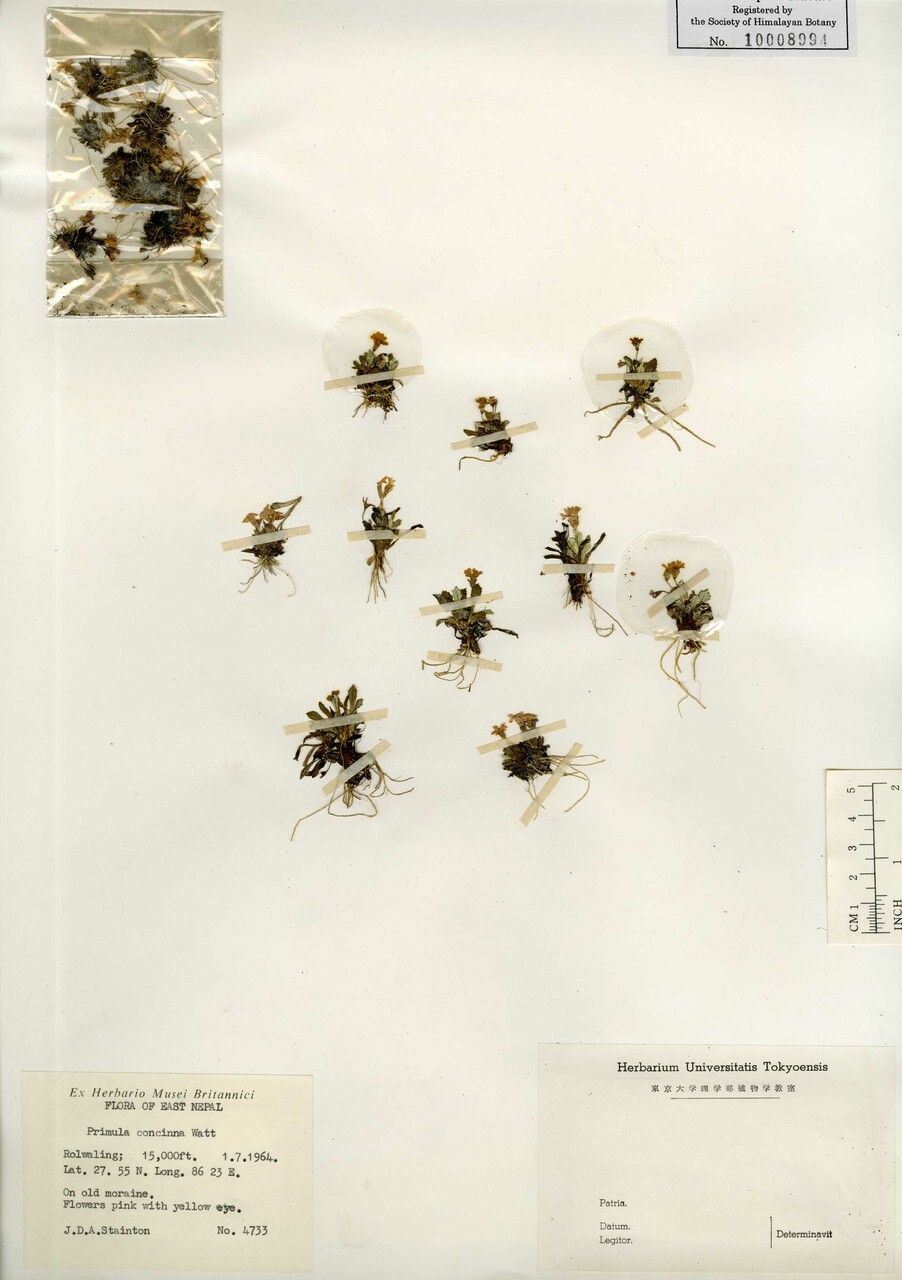
Hello fellow plant lovers! Today, we’re diving into the delightful world of Primula concinna, often called the Himalayan Primrose. If you’re looking for a splash of vibrant color that brings a touch of the exotic to your garden or windowsill, this is your plant. Its delicate, often jewel-toned flowers are simply captivating. And the best part? Propagating them feels like a little horticultural magic. It’s a very rewarding way to share these beauties with friends or simply expand your own collection. While they might seem a bit fussy initially, with a little guidance, you’ll find propagating Primula concinna to be quite achievable, even if you’re just starting out on your plant parent journey!
The Best Time to Start
For Primula concinna, the sweet spot for propagation is generally spring, right as the plant is waking up from its winter rest and starting its active growth phase. You’re looking for healthy new shoots that are about 2-4 inches long. This is when they have the most energy to establish roots. Trying to propagate from older, woody stems is usually a recipe for disappointment.
Supplies You’ll Need
- Small pots or seed trays: Clean and with good drainage holes.
- Well-draining potting mix: I like a blend of seed-starting mix and perlite (about a 2:1 ratio). You can also use a mix specifically formulated for primulas.
- Sharp, sterilized pruning shears or a clean knife: Essential for making clean cuts.
- Rooting hormone (optional): A powdered or liquid rooting hormone can give your cuttings an extra boost.
- Watering can with a fine rose: For gentle watering.
- Plastic bag or propagator: To create a humid environment for cuttings.
- Labeling sticks: To remember what you’ve planted!
Propagation Methods
The most straightforward method for Primula concinna is by division. This is essentially splitting your existing plant into smaller sections, each with its own roots and shoots.
- Gently unpot your primula. Do this when it’s time for repotting, usually after flowering.
- Carefully loosen the soil around the roots. You might need to use your fingers or a small trowel.
- Identify natural divisions. Look for where the plant seems to be naturally splitting into crowns, each with its own set of leaves and a root system.
- Separate the divisions. You can gently pull them apart with your hands if the roots are easily separable. If the roots are more intertwined, you might need to use a clean, sharp knife or your sterilized shears to cut through them. Make sure each division has at least one good bud or shoot and a decent amount of roots.
- Repot the divisions. Plant each division into its own pot filled with your prepared potting mix. Ensure the base of the plant (where the leaves meet the roots) is at the soil surface, not buried too deeply.
- Water gently. Water thoroughly but avoid waterlogging the soil.
While less common and a bit trickier for Primula concinna, you can try stem cuttings from very vigorous new growth.
- Select healthy, new shoots that are 2-4 inches long.
- Make a clean cut just below a leaf node using your sterilized shears.
- Remove the lower leaves. You want a clean stem to insert into the soil.
- (Optional) Dip the cut end in rooting hormone.
- Insert the cutting into a pot of your prepared potting mix. I like the mix to be slightly moist but not soggy. You can make a small hole with a pencil or your finger to avoid knocking off the rooting hormone.
- Water gently.
The “Secret Sauce” (Pro Tips)
Here are a few things I’ve learned over the years that really make a difference:
- Don’t let the leaves touch the water directly if you’re attempting water propagation (which is generally not ideal for primulas, but if you must try, be warned!). This is a fast track to rot. Even with division or cuttings, if leaves tend to droop and sit on the soil surface, it’s best to gently pull them aside when watering.
- Bottom heat is your friend. I often place my pots of divisions or cuttings on a gentle heating mat designed for plants. This provides consistent warmth to the roots, encouraging them to develop faster and more reliably. It doesn’t need to be scorching, just a gentle warmth.
- Humidity is key, but ventilation is crucial for cuttings. For divisions, regular watering and keeping the soil lightly moist is usually enough. For cuttings, though, you need to create a mini-greenhouse. Stick them in a propagator or cover the pot with a clear plastic bag, ensuring the leaves don’t touch the plastic if possible. Crucially, open the bag or propagator for at least 15-30 minutes each day to allow for air circulation. This prevents fungal diseases from setting in, which can be the downfall of delicate cuttings.
Aftercare & Troubleshooting
Once your divisions are potted up, keep them in a bright, indirect light location. Avoid direct sun, which can scorch their delicate leaves. Water when the top inch of soil feels dry, but again, don’t let them sit in soggy conditions.
For cuttings, check regularly for signs of rooting. This can take anywhere from 3-6 weeks. You’ll know they’re rooting when you see new leaf growth emerging from the tip or sides of the cutting, or when you gently tug on it and feel resistance from developing roots. Once roots have formed, you can gradually acclimate them to less humid conditions and treat them as small plants.
The most common failure you might encounter is rot. This usually happens due to overwatering or poor drainage. If you see stems becoming mushy or blackening at the base, it’s a sign of rot. Unfortunately, there’s not much you can do once rot sets in, so prevention is key. Ensure good air circulation and a well-draining soil mix.
A Encouraging Closing
Growing these beauties from divisions is such a satisfying experience. Be patient, my friends. Some plants take their time, and that’s perfectly okay. The joy is in the process, the learning, and eventually, the bloom. Happy propagating!
Resource:
https://identify.plantnet.org/k-world-flora/species/Primula%20concinna%20G.Watt/data