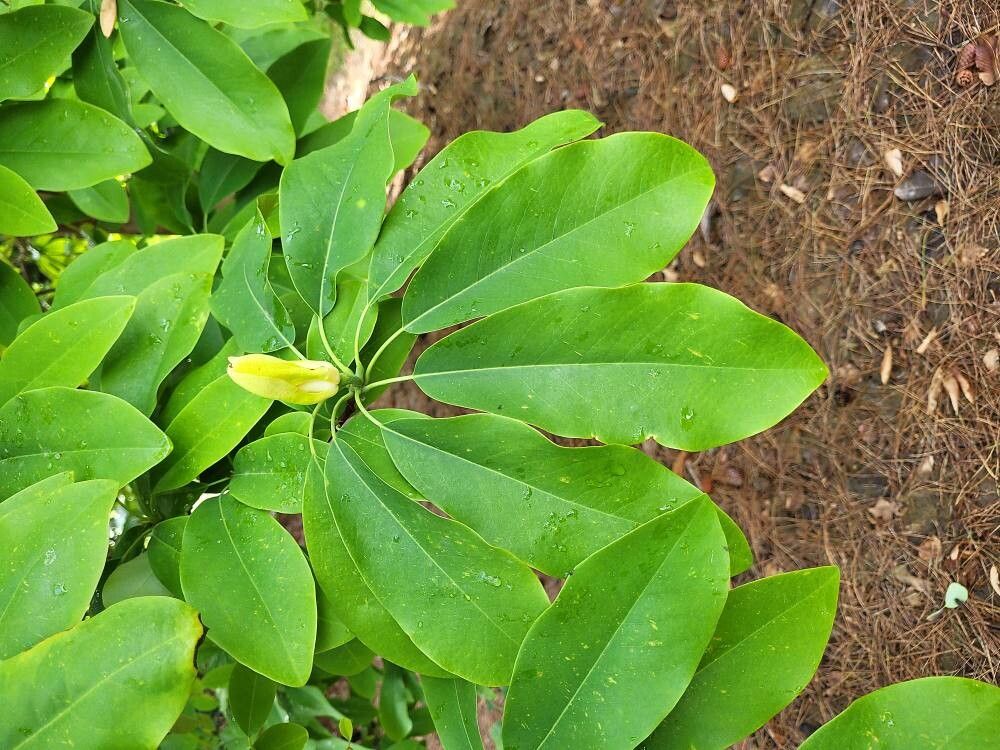
Hello, fellow garden enthusiasts! I’m so happy you’re here to talk about one of my absolute favorites: Magnolia decidua, the deciduous magnolias. There’s something truly magical about these trees, isn’t there? Their stunning, often fragrant, spring blooms appearing before the leaves unfurl always give me a little thrill. And the satisfaction of growing your own magnolias from scratch? Pure garden joy!
Now, I’m going to be honest. Propagating deciduous magnolias can be a bit of a journey. They aren’t always the easiest plant to start from scratch, especially for complete beginners. But don’t let that deter you! With a little patience and the right approach, you can absolutely succeed, and trust me, it’s incredibly rewarding.
The Best Time to Start
The sweet spot for propagating Magnolia decidua is generally early summer. We’re talking about mid-June to late July, when the plant is actively growing, but the current season’s growth has started to mature just a little. You’re looking for stems that are flexible but not floppy, sort of “semi-hardwood” if you will.
Supplies You’ll Need
Gathering your supplies before you begin makes the whole process smoother. I like to have everything laid out and ready to go.
- Sharp Pruning Shears or a Knife: Clean cuts are crucial for quick healing and preventing disease.
- Rooting Hormone: This is especially helpful for magnolias. I prefer the powder form, but gel works too.
- Small Pots or Propagation Trays: Clean ones are a must!
- A Well-Draining Potting Mix: I usually use a blend of peat moss, perlite, and a little bit of coarse sand. A good commercial seedling mix works well too.
- Small Plastic Bags or a Propagation Dome: To maintain humidity.
- Spray Bottle: For misting the cuttings.
- Labels: To keep track of your efforts!
Propagation Methods
While deciduous magnolias can be propagated by seed, it can be a long and unpredictable process. For a more reliable and faster route, stem cuttings are your best bet.
Stem Cuttings
- Select Your Cuttings: On a nice, bright morning, head out and find those perfect semi-hardwood stems. Look for shoots that are about 4-6 inches long. Make your cut just below a leaf node (where a leaf attaches to the stem). This is where rooting hormones work best.
- Prepare the Cuttings: Gently strip off any lower leaves. If a leaf is very large, I sometimes cut it in half to reduce water loss. You want to leave 2-3 leaves at the top.
- Apply Rooting Hormone: Dip the cut end of each stem into the rooting hormone, tapping off any excess.
- Planting: Fill your pots with the well-draining mix. Make a small hole with your finger or a pencil, and insert the cutting, firming the soil gently around it.
- Water and Cover: Water the pots thoroughly until they drain from the bottom. Then, place them in a plastic bag or cover them with a propagation dome to create a humid environment.
The “Secret Sauce” (Pro Tips)
Here are a few things I’ve learned over the years that can really tip the scales in your favor:
- Bottom Heat is Your Friend: If you can provide gentle bottom heat, perhaps with a seedling heat mat, it really encourages root development. Maggies love a warm base!
- Cleanliness is Paramount: I cannot stress this enough. Sterilize your pruning shears and knives between cuts. And make sure your pots are sparkling clean before you start. Fungus and rot are the biggest enemies of cuttings.
- Don’t Overwater: While humidity is important, soggy soil is a fast track to rot. Let the surface of the soil dry out slightly between waterings. If you’re using a propagator lid, lift it for a few hours each day to allow for air circulation.
Aftercare & Troubleshooting
Once your cuttings are planted, find a bright spot for them, but avoid direct, scorching sunlight. Keep that humidity high. You’ll want to check them regularly.
Roots should start to appear within 4-8 weeks, though it can sometimes take longer. You can gently tug on a cutting – if you feel resistance, you likely have roots!
The most common sign of failure is rot. If your cuttings turn black and mushy, it’s a clear indication of too much moisture and not enough air circulation. Don’t be discouraged if some don’t make it; it’s part of the learning process. If they start to wilt and look sad but aren’t mushy, they might just be a bit dry. Mist them and ensure that humidity is up.
A Encouraging Closing
Growing your own Magnolia decidua is a marathon, not a sprint. Be patient with yourself and your little cuttings. Celebrate every tiny sign of progress, and don’t be afraid to experiment with what works best in your specific garden conditions. Happy propagating, and may your garden be filled with magnolias for years to come!
Resource: