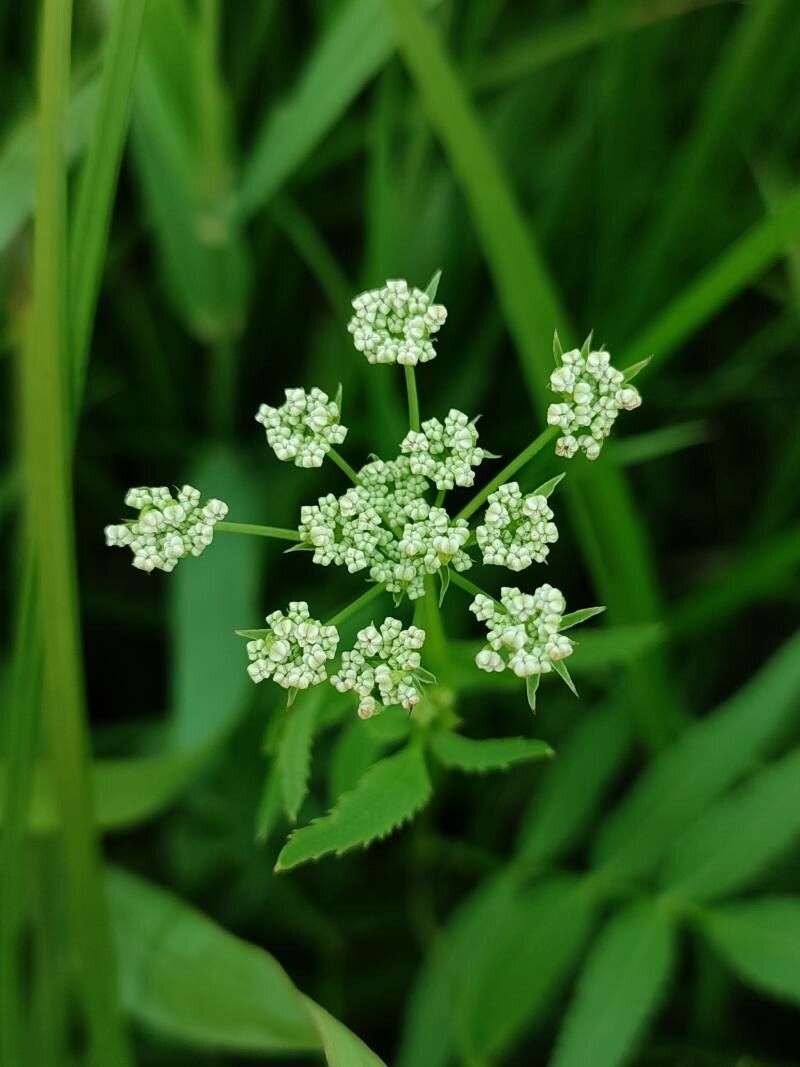
Hello fellow plant lovers! I’m so excited to chat with you today about a plant that often flies under the radar but deserves a spot in any water-wise or, well, wet garden: Sium suave, also known as water parsnip. This native aquatic perennial is a charm! Its feathery foliage is beautiful, and it attracts beneficial pollinators. Best of all, propagating it is surprisingly straightforward, making it a fantastic project for even those just dipping their toes into the world of plant multiplication.
The Best Time to Start
For Sium suave, your best bet is to propagate during its active growing season, which typically falls in late spring to early summer. This is when the plant is full of vigor and has plenty of energy to dedicate to developing new roots. Waiting until after it’s established itself in the warmer months will give you the highest success rate.
Supplies You’ll Need
Gathering your supplies beforehand makes the whole process smoother. Here’s what I usually have on hand:
- Sharp, clean pruning shears or a sharp knife: For making clean cuts.
- Small pots or containers: Clean ones, please!
- Well-draining potting mix: I like a blend of peat moss, perlite, and a bit of compost. For aquatic plants, you might lean towards a soil-free mix or even a sandy loam if you’re feeling adventurous.
- Rooting hormone (optional): Especially helpful if you’re propagating from trickier stem cuttings.
- Watering can or mister: For gentle watering.
- Plastic bags or a propagator lid: To maintain humidity.
- A sunny, bright spot: But avoid direct, scorching sun initially.
Propagation Methods
Sium suave is a pretty adaptable plant when it comes to making more of it. Here are my favorite reliable methods:
1. Stem Cuttings
This is my go-to method because it’s quick and effective.
- Take your cuttings: In late spring or early summer, select healthy, non-flowering stems. Using your clean shears, take cuttings that are about 4-6 inches long. Make the cut just below a leaf node (where the leaf attaches to the stem).
- Prepare the cuttings: Gently remove the lower leaves from the cutting, leaving just a couple of leaves at the top. If you’re using rooting hormone, dip the cut end into it now.
- Plant your cuttings: Fill your small pots with your well-draining mix. Make a small hole with your finger or a pencil and insert the cut end of the stem. Firm the soil gently around it.
- Water and cover: Water thoroughly but gently. Then, cover each pot with a clear plastic bag or place them under a propagator lid to create a humid environment.
2. Division
If your Sium suave has been happily growing in its spot for a while, you’ve likely got a clump that’s perfect for dividing.
- Dig up the plant: In late spring, when the plant is actively growing but before it gets too hot, gently dig up the entire plant.
- Separate the roots: Carefully tease apart the root ball. You’re looking for sections that have healthy roots and at least one or two leafy shoots. If the roots are really tangled, you might need to use a clean trowel or even your fingers to gently separate them.
- Replant: Plant the divisions immediately into their new locations or into pots with fresh soil. Water them in well. This method often gives you a head start because the divisions already have established roots.
The “Secret Sauce” (Pro Tips)
Over the years, I’ve learned a few tricks that really boost my propagation success.
- Don’t let the leaves touch the water. If you’re propagating in water (which works for some versions, though I prefer soil for Sium suave), make sure only the stem is submerged. Any leaves in the water will just rot and can take your cutting down with them.
- Bottom heat is your friend! For stem cuttings, placing your pots on a heated propagation mat can significantly speed up root development. It mimics the warmth of spring soil and really encourages those roots to get going.
Aftercare & Troubleshooting
Once you see signs of new growth – tiny leaves unfurling or roots peeking out of the drainage holes – you know you’ve succeeded!
- Gradually acclimate: As new roots establish, begin to gradually remove the plastic bag or propagator lid over a week or so. This helps the new plant adjust to normal humidity levels.
- Water consistently: Keep the soil consistently moist, but not waterlogged. For an aquatic plant, this means keeping it in a sunny spot that doesn’t dry out, or in a shallow tray of water if it’s in a pot.
- Watch for rot: The most common sign of failure is rot, which usually shows up as black, mushy stems or leaves. This is often caused by overwatering, poor drainage, or lack of air circulation. If you see rot, the cutting is usually a lost cause, but you can often prevent it in other cuttings by adjusting your watering or ensuring better airflow.
A Encouraging Closing
Propagating plants is such a rewarding journey, and seeing a tiny cutting transform into a robust new plant is truly special. Be patient with your Sium suave, observe them closely, and don’t be discouraged if a few don’t make it. Every gardener has their learning curve! Enjoy the process, and soon you’ll have even more of this beautiful water parsnip to share or enjoy in your own watery havens. Happy propagating!
Resource:
https://identify.plantnet.org/k-world-flora/species/Sium%20suave%20Walter/data