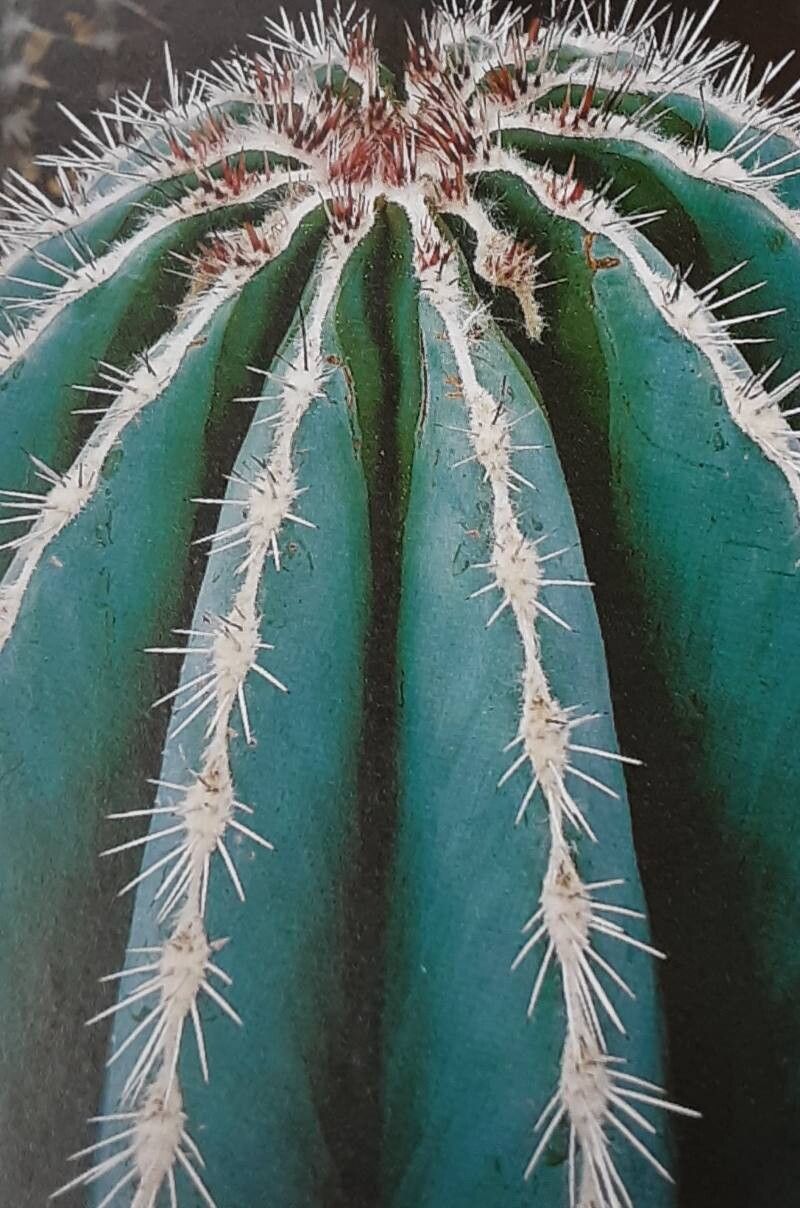
Hey there, fellow plant lovers! I’m so excited to share my insights on propagating the magnificent Pachycereus weberi, often called the Mexican ‘Saguaro’ or ‘Totem Pole’ cactus. If you’ve ever admired these imposing columnar beauties, you might be wondering how to bring a piece of that grandeur into your own space. And let me tell you, it’s incredibly rewarding!
Why Propagate This Giant?
There’s something special about multiplying a plant that commands such presence. Pachycereus weberi has a wonderfully architectural form that adds a touch of the desert landscape to any collection. Growing your own from a cutting feels like a real accomplishment, a testament to your green thumb and patience. While Pachycereus weberi isn’t inherently difficult to propagate, it does require a bit more careful attention than, say, a succulent rosette. Think of it as a rewarding challenge!
The Best Time to Start
The sweet spot for propagating Pachycereus weberi is undoubtedly during its active growing season. For most of us, this means heading into spring and summer. You’ll want to make sure the plant has stored up plenty of energy and is ready to put out new growth. Avoid trying to take cuttings when the plant is dormant in the cooler months; it’s just not the right time for them to establish.
Supplies You’ll Need
Gathering your tools beforehand makes the whole process smoother. Here’s what I always have on hand:
- Sharp, sterile pruning shears or a clean knife: Crucial for making clean cuts that heal well.
- Rooting hormone (optional but recommended): Helps speed up root development. Look for one formulated for cacti and succulents.
- Well-draining potting mix: A gritty blend is essential. I like to mix equal parts perlite, coarse sand, and a good quality cactus/succulent potting soil.
- Terracotta pots: These allow for better aeration and help prevent waterlogged soil.
- Gloves: Especially if your cutting is a bit spiky!
- A clean surface or tray: To let your cuttings callous.
- A spray bottle: For gentle misting.
Propagation Methods: Stem Cuttings Are King!
For Pachycereus weberi, the most reliable method is by taking stem cuttings. This is how we’ll achieve our success.
- The Cut: Choose a healthy, mature stem. Using your sterilized pruning shears or knife, make a clean cut. Aim for a section that’s at least 4-6 inches long, but don’t be afraid to go larger if you have a good piece. If you’re taking from a very large, established plant, you might be able to take a significant chunk.
- Let It Dry (Callous): This is perhaps the most critical step! Place your cutting in a clean, dry, and well-ventilated spot. Do NOT plant it immediately. The cut end needs to dry and form a callous over it. This can take anywhere from a few days to a couple of weeks, depending on humidity and the size of the cutting. You’ll see a dry, leathery skin form over the wound. This prevents rot when you eventually plant it. Be patient here; it’s worth it!
- Rooting Hormone (Optional): Once the callous has formed, you can lightly dip the dry cut end into rooting hormone. This is like giving your cutting a little boost of encouragement.
- Planting: Fill your terracotta pot with your prepared gritty potting mix. Make a small hole in the center with your finger or a pencil. Then, gently insert the calloused end of the cutting into the hole. You want it to be firm enough to stand on its own, but don’t press the soil too hard around it.
- Watering: Here’s where many go wrong. DO NOT water immediately after planting. Wait at least a few days, and then water very sparingly. The goal is to keep the soil barely moist, not wet. Think of it as a light sprinkle, not a drenching.
The “Secret Sauce”: My Insider Tips
Over the years, I’ve learned a few tricks that really elevate your propagation game.
- Bottom Heat is Your Friend: If you’re in a cooler climate or propagating in the spring when things are still a bit chilly, placing your pots on a propagation mat can work wonders. Cacti, even when dormant, appreciate a little warmth radiating from below to encourage root initiation. It’s like their own personal cozy blanket!
- Airflow, Airflow, Airflow: While you want to protect your calloused cutting from drying out too much, good air circulation is paramount. Avoid covering the pot with plastic wrap like you might for other plants. It traps moisture and invites fungal issues. If you feel you must create a humid microclimate, use a few holes in your cover, or simply place the pots in a well-ventilated area.
- Less is More with Water: Seriously, I can’t stress this enough. Your Pachycereus weberi cutting is trying to survive on stored water right now. Overwatering is the fastest way to send it to the compost bin. Water only when the soil is completely dry, and even then, water sparingly.
Aftercare & Troubleshooting
Once you see signs of new growth – maybe a tiny bud or the stem looking a little plumper – that’s a good indication roots are forming! Continue to water it sparingly as needed. You can try a very gentle tug after a few weeks; if it resists, you have roots!
The most common problem you’ll face is rot. If you notice the cutting becoming mushy, darkening, or smelling foul, it’s likely rotting. This is usually a sign of too much moisture. Unfortunately, if rot sets in, it’s very difficult to save. Your best bet is to remove it immediately, inspect the rot, and if there’s any healthy stem left, you can re-cut, let it callous again, and try once more, being extra cautious with watering. Sometimes a cutting just doesn’t take, and that’s okay. We learn from every attempt.
Keep Growing!
Propagating Pachycereus weberi might take a little patience, but witnessing that first root emerge or the first bit of new growth is a truly joyous occasion. Don’t get discouraged if your first attempt isn’t a runaway success. Gardening is all about learning and adapting. Enjoy the process, celebrate the small victories, and happy propagating!
Resource: