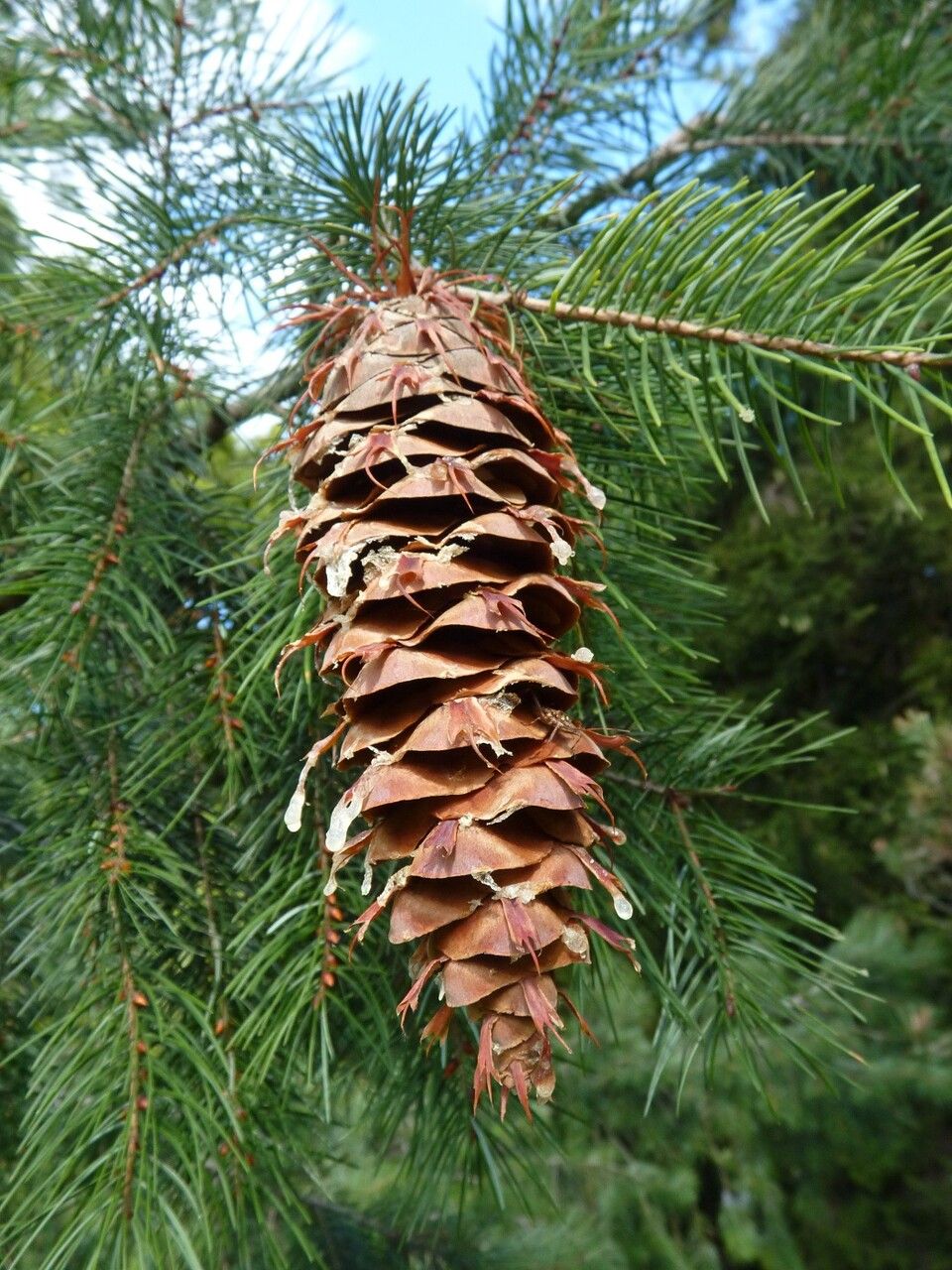
Welcome, fellow garden enthusiasts! Today, we’re diving into the delightful world of propagating Pseudotsuga macrocarpa, also known as the Bigcone Douglas-fir. If you’ve ever marveled at its grand stature, its beautiful, rugged bark, and those truly impressive cones, you know why this tree is so special. Growing one from scratch? That’s a gardening adventure with a truly spectacular reward!
Now, let’s be honest. Propagating conifers like Pseudotsuga macrocarpa isn’t quite as straightforward as popping a basil cutting into water. It requires a bit more finesse and patience. Beginners might find it a tad challenging, but with the right approach and a willingness to learn, it’s absolutely achievable. Think of it as a rewarding puzzle to solve!
The Best Time to Start
For Pseudotsuga macrocarpa, the sweet spot for taking cuttings is typically in late spring to early summer. This is when the new growth, the so-called softwood, is starting to mature but hasn’t hardened off completely. It’s pliable enough to root, but it has enough energy reserves to get the job done. You want to look for stems that are flexible but snap cleanly when bent, not those that bend limply or break stiffly.
Supplies You’ll Need
Gathering your tools beforehand makes the whole process smoother. Here’s what I always have on hand:
- Sharp, clean pruning shears or a sharp knife: For making clean cuts.
- Rooting hormone powder: This is almost essential for conifers. Look for one specifically formulated for woody cuttings or evergreens.
- A well-draining potting mix: A blend of perlite, peat moss, and coarse sand (about 1:1:1 ratio) works wonders. You can also find specific conifer rooting mixes.
- Small pots or propagation trays: Make sure they have drainage holes!
- Clear plastic bags or a propagation dome: To maintain high humidity around the cuttings.
- A small spray bottle: For misting.
- Labels and a permanent marker: So you don’t forget what you planted where!
- Optional: A heat mat: This can significantly speed up root development.
Propagation Methods: Stem Cuttings
Taking cuttings is the most common and successful method for Pseudotsuga macrocarpa. Here’s how I do it:
- Select your material: As mentioned, look for those semi-hardwood shoots in late spring or early summer. Choose healthy, vigorous stems that are free from any signs of disease or pests.
- Make the cut: Using your sterilized pruners or knife, take cuttings that are about 4-6 inches long. Make the cut just below a leaf node (where a leaf attaches to the stem).
- Prepare the cutting: Gently strip off the lower leaves from the bottom 1-2 inches of the cutting. If the needles are very dense, you can carefully trim some of them off your cutting to reduce water loss, but don’t go overboard.
- Apply rooting hormone: Dip the cut end of the stem into a small amount of rooting hormone powder. Tap off any excess.
- Plant the cuttings: Make a hole in your potting mix with a pencil or your finger. Insert the prepared cutting into the hole, ensuring the hormone-coated end is nestled in the soil. Gently firm the soil around the cutting.
- Water gently: Lightly water the soil to settle it around the cuttings.
- Create a humid environment: Place the pots in a location with bright, indirect light. Then, cover them with a clear plastic bag or a propagation dome. If using a bag, prop it up with skewers or sticks so it doesn’t touch the leaves. This humidity is crucial for preventing the cuttings from drying out before they form roots.
The “Secret Sauce”: Pro Tips from the Trenches
Here are a few little tricks that have made a big difference in my propagation success:
- Think “Spring, then Summer”: While late spring is ideal for initial cuttings, you can often get a second round from softer, more vigorous new growth that appears in mid-summer. Just be sure they’ve had a chance to firm up a bit before the heat of high summer.
- Bottom Heat is Your Friend: For Pseudotsuga macrocarpa, providing gentle warmth from below is a game-changer. Placing your pots on a heat mat set to a consistent temperature of around 70-75°F (21-24°C) can significantly speed up root formation. It mimics the natural warmth of a mother plant’s roots and encourages activity.
- Don’t Rush the Uncover: Resist the urge to whip off the plastic cover too soon! Keep it on until you start to see signs of new growth or feel resistance when you gently tug on a cutting. Gradually acclimate the cuttings to lower humidity over a week or two before removing the cover entirely.
Aftercare & Troubleshooting
Once you start seeing tiny leafy buds or feel a bit of tug when you gently wiggle your cuttings, congratulations! Roots are forming.
- Maintain moisture: Continue to keep the soil consistently moist, but not waterlogged. Mist the leaves occasionally if you’ve removed the humidity cover.
- Gradual acclimation: As mentioned, slowly reduce humidity over a week or two. Then, you can transplant the rooted cuttings into individual pots once they have a well-established root system.
- Watch for rot: The biggest enemy of cuttings is rot. If you see cuttings turning brown, mushy, or developing fuzzy black mold, it’s usually a sign of too much moisture and not enough air circulation. Remove affected cuttings immediately and ensure your potting mix is airy and well-draining.
Keep Growing!
Propagating Pseudotsuga macrocarpa is a journey. It’s about learning to read your plants, providing the right conditions, and waiting with a hopeful heart. Don’t be discouraged if some cuttings don’t make it; it’s all part of the learning process. Enjoy the quiet satisfaction of nurturing a new life from a simple twig. Happy planting!
Resource:
https://identify.plantnet.org/k-world-flora/species/Pseudotsuga%20macrocarpa%20(Vasey)%20Mayr/data