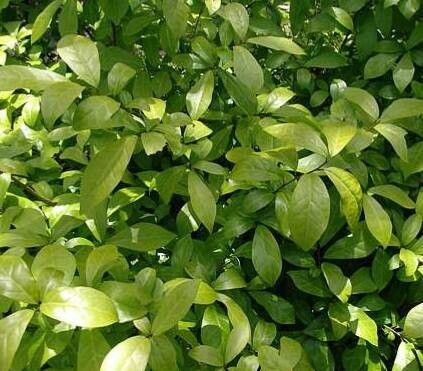
Hello there, fellow plant lovers! Today, we’re going to talk about a gem of a shrub that deserves a spot in more gardens: Orixa japonica, often called Japanese Orixa or Japanese Aucuba. With its glossy, aromatic leaves and its ability to thrive in shady corners, it’s a real workhorse. And the best part? It’s surprisingly easy to reproduce! If you’ve got a mature Orixa and a bit of curiosity, you’re in for a treat. I’ve found propagating Orixa japonica to be a wonderfully rewarding experience, and I think you will too. It’s a project that’s quite approachable for beginners, so don’t let the fancy name scare you!
The Best Time to Start
For the highest success rate with Orixa japonica, I always reach for my pruners in the late spring to early summer. This is when the plant is actively growing and has plenty of energy to put into developing new roots. Look for new, semi-hardwood growth – you know, the stems that have started to firm up a bit but are still somewhat flexible. Avoid old, woody stems or brand-new, floppy growth.
Supplies You’ll Need
Here’s what I like to have on hand before I begin:
- Sharp pruning shears or a clean knife: For making clean cuts.
- Rooting hormone (optional but recommended): A little boost never hurts! Powder or gel works just fine.
- Potting mix: A well-draining mix is key. I often use a blend of peat moss, perlite, and a little bit of compost. You can buy a general-purpose potting mix and amend it.
- Small pots or seed trays: With drainage holes, of course!
- Plastic bags or a propagation dome: To create a humid environment.
- Watering can or spray bottle: For gentle watering.
Propagation Methods
I’ve had great success with Orixa japonica primarily through stem cuttings. It’s straightforward and effective.
- Take Your Cuttings: On a pleasant late spring or early summer day, select healthy, non-flowering shoots that are about 4-6 inches long. Make a clean cut just below a leaf node (where a leaf attaches to the stem). Remove the lower leaves, leaving just the top few.
- Prepare for Rooting: If you’re using rooting hormone, dip the cut end of each stem into the powder or gel. Tap off any excess.
- Plant Your Cuttings: Fill your small pots or trays with your prepared potting mix. Make a small hole in the center of the mix with your finger or a pencil. Gently insert the cut end of the stem into the hole, making sure the leaf nodes are below the surface of the soil.
- Firm the Soil: Gently firm the soil around the stem to ensure good contact.
- Water Gently: Water the cuttings thoroughly but gently, so you don’t dislodge them. A fine mist from a spray bottle is perfect.
- Create Humidity: Cover the pots with a clear plastic bag, a propagation dome, or place them in a larger plastic bag. Make sure the leaves aren’t touching the plastic if possible. You want to trap humidity around the cuttings.
- Find a Good Spot: Place the pots in a bright location that receives indirect light. Avoid direct sun, which can scorch the delicate cuttings.
The “Secret Sauce” (Pro Tips)
Here are a couple of things I’ve learned over the years that really make a difference:
- Don’t let those leaves touch water! If any leaves are submerged in the potting mix or if you’re doing water propagation (which I find less successful for Orixa but doable), they’ll rot and take your cutting down with them. Keep them above the soil line or in the water.
- Bottom heat is your friend. While not strictly essential for Orixa, placing your pots on a gentle heating mat can significantly speed up root development. It mimics the warmth of spring soil and encourages those roots to get going.
Aftercare & Troubleshooting
Be patient! It can take anywhere from 4 to 8 weeks for your Orixa cuttings to develop a good root system. You can gently tug on a cutting to feel for resistance, or if you can see into your pot, you might spot roots peeking out the drainage holes.
Once you feel they are well-rooted, gradually acclimate them to normal humidity by opening the plastic bag or dome a little more each day before removing it entirely. Continue to water them regularly, keeping the soil consistently moist but not waterlogged.
If your cuttings start to look limp, yellow, or mushy at the base, that’s a sign of rot. This usually happens due to overwatering or poor drainage. Don’t despair! You can try to salvage healthy-looking parts of the stem if the rot hasn’t spread too far, but often it’s best to start fresh. Ensure your potting mix drains well and avoid letting cuttings sit in soggy conditions.
Happy Propagating!
Watching those tiny roots emerge and grow into a new plant is one of the most satisfying parts of gardening. It’s a wonderful way to expand your collection or share your love for Orixa japonica with friends. Trust your instincts, be patient, and enjoy the process. Happy gardening!
Resource:
https://identify.plantnet.org/k-world-flora/species/Orixa%20japonica%20Thunb./data