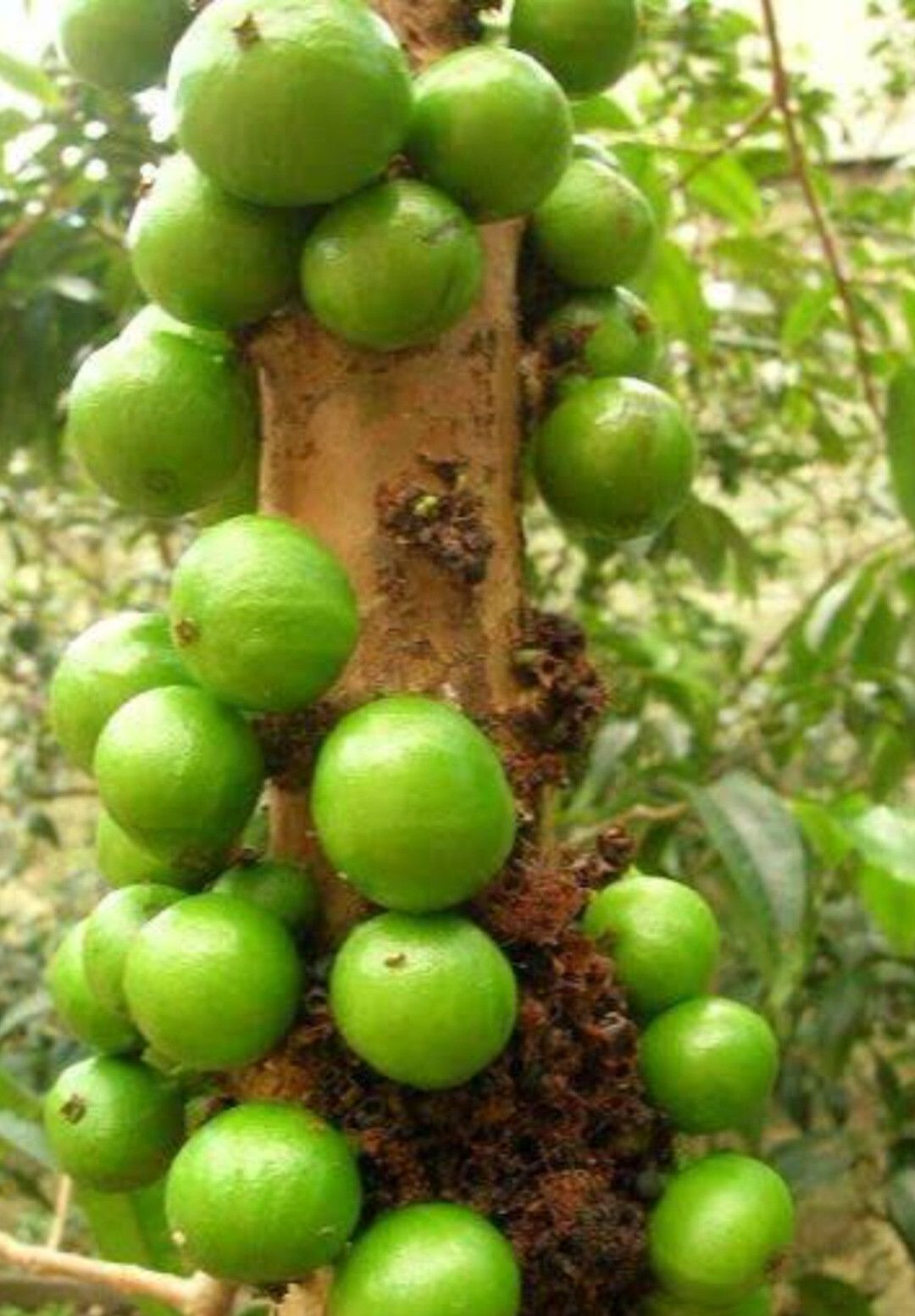
Hello there, fellow plant enthusiasts! Today, we’re diving into the wonderful world of Plinia phitrantha, a truly captivating plant that brings a touch of the exotic to our gardens. If you’ve ever admired its glossy foliage and perhaps dreamt of tasting those intriguing fruits, you’re in for a treat! Propagating your own Plinia phitrantha is a deeply rewarding experience. Watching a tiny cutting transform into a flourishing plant is pure magic, and it’s a fantastic way to expand your collection without breaking the bank. Now, I’ll be honest, this isn’t the absolute easiest plant for a complete beginner to propagate, but with a little patience and attention, you can absolutely achieve success. Think of it as a delightful challenge!
The Best Time to Start
For Plinia phitrantha, spring and early summer are your golden windows. This is when the plant is actively growing after its winter rest. You’ll want to select stems that are mature and firm, but not woody. Think of a stem that’s recently finished its fresh growth spurt – it has plenty of energy to put into developing roots. Avoid taking cuttings during the heat of summer or when the plant is stressed.
Supplies You’ll Need
- Sharp pruning shears or a clean knife: For making clean cuts. A dull tool can damage the stem and invite disease.
- Rooting hormone: This is a crucial aid for Plinia phitrantha. Look for a powder or gel that your chosen propagation method can accommodate.
- Well-draining potting mix: A blend of perlite, peat moss, and a little bit of coco coir works wonderfully. You want something that doesn’t hold excess moisture.
- Small pots or propagating trays: Clean containers are a must to prevent disease.
- Plastic bag or humidity dome: To create a humid microclimate around your cuttings.
- Optional: Heating mat: For consistently warm soil temperatures. This can really boost success rates.
- Clean water: For misting and any water propagation attempts.
Propagation Methods
Let’s talk about getting new Plinia phitrantha plants started! Stem cuttings are generally the most reliable method for this particular plant.
Stem Cuttings
- Select your cutting: Find a healthy, semi-hardwood stem from your mature plant. Aim for cuttings about 4-6 inches long.
- Make the cut: Using your sharp shears or knife, make a clean cut just below a leaf node (where a leaf attaches to the stem). This is where the plant’s rooting hormones are concentrated.
- Prepare the cutting: Gently remove the lower leaves, leaving just a couple of leaves at the top. This reduces water loss. If the remaining leaves are very large, you can even cut them in half.
- Apply rooting hormone: Dip the cut end of the stem into your rooting hormone. Tap off any excess.
- Plant your cutting: Fill your small pot with your well-draining potting mix. Make a small hole in the center with your finger or a pencil. Insert the cut end of the stem into the hole, and gently firm the soil around it.
- Create humidity: Water the soil lightly. Then, place the pot inside a clear plastic bag, sealing it loosely with a twist tie, or cover it with a humidity dome. Make sure the leaves don’t touch the sides of the plastic, as this can encourage rot.
- Placement: Place the pot in a bright, indirect light location. Avoid direct sunlight, which can scorch the delicate cutting.
Water Propagation (Use with Caution)
While I often lean towards soil for Plinia phitrantha, some folks have success in water.
- Prepare the cutting: Follow steps 1-3 above.
- Place in water: Set the cutting in a clean jar or glass of water. Crucially, ensure no leaves are submerged. Leaves in the water will rot and contaminate the entire setup.
- Change water regularly: Change the water every few days to keep it fresh and oxygenated.
- Wait for roots: Be patient! When you see tiny white root nubs forming (this can take several weeks), it’s time to transition to soil. Wait until the roots are at least an inch long before planting in your well-draining mix as described in step 5 of stem cuttings.
The “Secret Sauce” (Pro Tips)
- Don’t be afraid to take multiple cuttings. Not every single one will make it, and this increases your odds significantly. Think of it as a hedge against failures!
- If you’re using stem cuttings, bottom heat is your best friend. Placing your pot on a seedling heat mat will encourage root development much faster and more reliably by providing consistent warmth to the soil.
- When you pot up your cuttings, avoid the urge to constantly dig them up to check for roots. This disturbs delicate new growth. Trust the process and observe the leaf health. If the plant looks perky and you see some new leaf growth, it’s a good sign roots are forming underground!
Aftercare & Troubleshooting
Once your cuttings have successfully rooted (you’ll see new leaf growth and potentially feel a slight resistance when gently tugging), it’s time for a little more attention.
- Gradually acclimatize: If you used a plastic bag or humidity dome, start by opening it for a few hours each day to slowly introduce the new plant to drier air.
- Move to a slightly larger pot: When the roots have filled the small pot, gently transplant your new Plinia phitrantha into a container one size up, using the same well-draining mix.
- Watering: Water thoroughly when the top inch of soil feels dry. Avoid SOGGY soil.
- Signs of trouble: The most common issue you’ll face is rot. This usually appears as a black, mushy stem. It’s often caused by too much moisture and poor air circulation. If you see this, sadly, the cutting has likely succumbed. Another sign of failure is a cutting that turns yellow and droops, indicating it isn’t taking up water, usually because it hasn’t rooted.
A Little Patience Goes a Long Way
Propagating Plinia phitrantha is a journey, not a race. There will be times you’ll wonder if anything is happening. Keep them in a warm, bright spot, maintain consistent moisture (but not soggy!), and give them time. The satisfaction of nurturing a brand-new plant from a little piece of another is truly unmatched. Happy propagating, friends!
Resource:
https://identify.plantnet.org/k-world-flora/species/Plinia%20phitrantha%20(Kiaersk.)%20Sobral/data