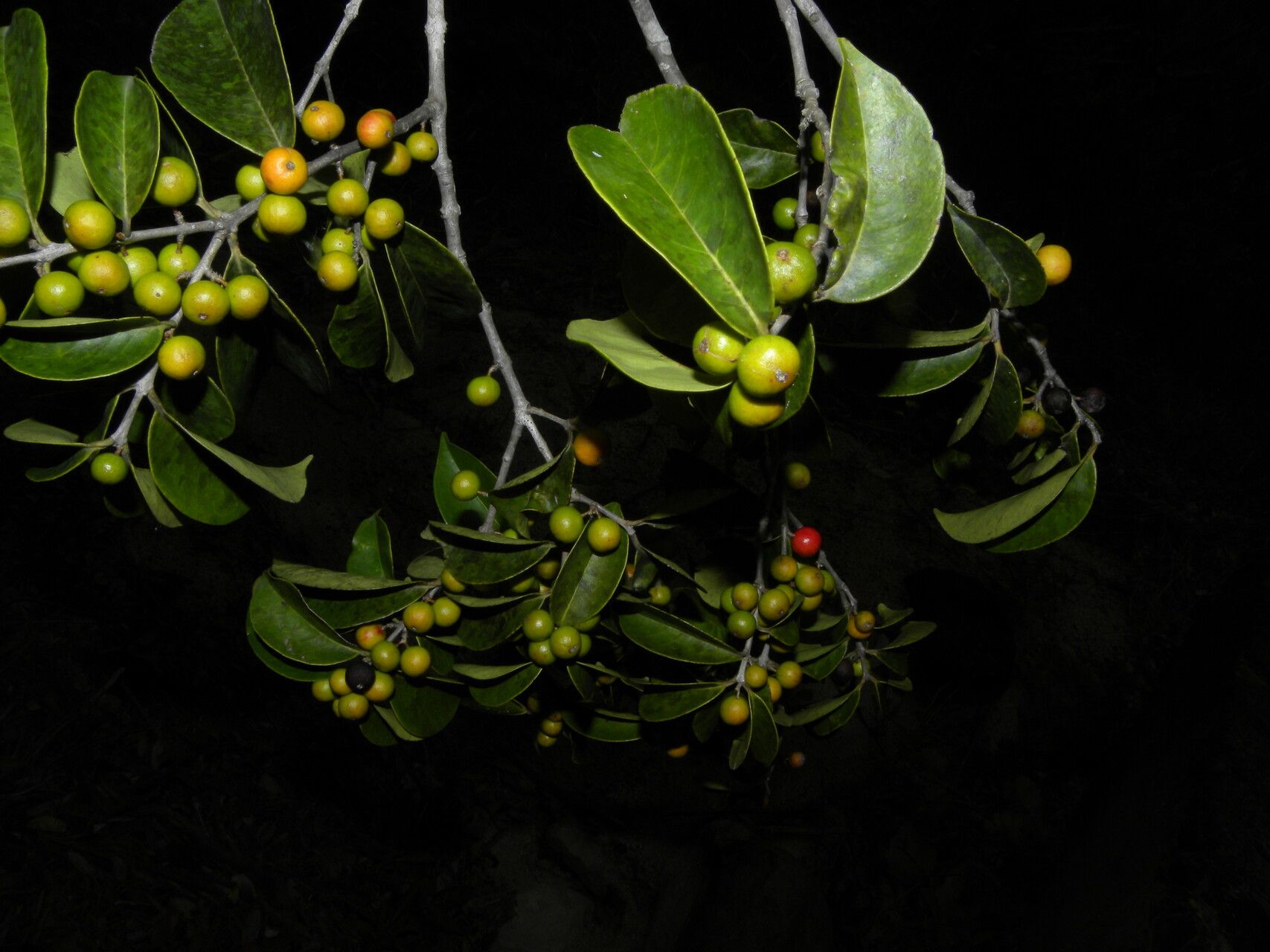
Hello fellow plant enthusiasts! Today, we’re diving into the wonderful world of propagating Eugenia acapulcensis. This beautiful plant, with its glossy leaves and sometimes delightful fragrance, is a real gem in any garden or indoor collection. The thrill of taking a small cutting from a beloved plant and watching it grow into a new, independent specimen is truly one of the most rewarding parts of gardening. And the good news? Eugenia acapulcensis is surprisingly forgiving, making it a nice choice for those dipping their toes into propagation for the first time.
The Best Time to Start
For the highest success rate with Eugenia acapulcensis, you want to work with actively growing material. The spring and early summer months are generally your best bet. This is when the plant is full of vigor, having come out of its dormancy and ready to put on new growth. Look for semi-hardwood cuttings – these are stems that have started to firm up but are not yet completely woody. They’ll snap cleanly when bent, rather than just flopping over.
Supplies You’ll Need
Gathering your tools before you begin will make the entire process much smoother. Here’s what you’ll want to have on hand:
- Sharp pruning shears or a clean, sharp knife: For making clean cuts.
- Rooting hormone (optional but recommended): A powder or gel that can give cuttings a boost.
- Well-draining potting mix: A mix of equal parts peat moss or coco coir and perlite or coarse sand works wonders. You want something that doesn’t hold too much moisture.
- Small pots or propagation trays: Clean and with drainage holes, of course!
- Plastic bags or a clear propagation dome/lid: To create a humid environment.
- Watering can or spray bottle: For gentle watering.
- Labels and a marker: To keep track of your plant family!
Propagation Methods: Stem Cuttings
Stem cuttings are my go-to method for Eugenia acapulcensis. It’s straightforward and yields great results.
- Take Your Cuttings: Using your clean shears or knife, carefully take several stem tip cuttings, each about 4-6 inches long. Make your cut just below a leaf node (where a leaf attaches to the stem).
- Prepare the Cuttings: Gently remove the lower leaves from the bottom half of each cutting. You want to expose at least one or two leaf nodes that will be buried in the soil. If your cuttings have large leaves, you can optionally trim them in half to reduce water loss through transpiration.
- Apply Rooting Hormone (Optional): Dip the cut end of each cutting into rooting hormone, tapping off any excess. This step can significantly increase your success rate, especially for plants that can be a bit slower to root.
- Plant the Cuttings: Fill your clean pots or trays with your well-draining potting mix. Gently make a hole in the center of the soil with a pencil or your finger. Insert the prepared cutting into the hole, ensuring that the leaf nodes you’ve exposed are below the soil line. Firm the soil gently around the base of the cutting to secure it.
- Create Humidity: Water your cuttings thoroughly but gently. Then, cover the pots with a clear plastic bag, ensuring it doesn’t touch the leaves too much (or use a propagation dome). This traps humidity, which is crucial for cuttings to root.
The “Secret Sauce” (Pro Tips)
I’ve learned a few tricks over the years that make a real difference.
- My personal favorite is using bottom heat. If you can, place your pots on a heat mat designed for seedlings. This gentle warmth encourages root development from below, much like a mother plant’s roots would naturally do. It’s amazing how much faster things happen!
- When watering, try to avoid getting the leaves wet constantly. While humidity is key, sitting water on the leaves can sometimes encourage fungal issues. Water the soil directly, or use a spray bottle to mist the air around the cuttings if the soil starts to look a bit dry.
- Don’t be afraid to experiment with multiple cuttings. Not every single one is guaranteed to sprout roots, and that’s perfectly normal. Taking several at once increases your odds of success and allows you to learn from each attempt.
Aftercare & Troubleshooting
Once your cuttings have roots – which you can gently check for by giving them a very light tug (if you feel resistance, they’re rooting!) – it’s time for continued care. Gradually acclimate them to less humid conditions by opening the plastic bag or dome a little more each day over a week. Once they look robust and have good new growth, you can remove the cover entirely. Continue to keep them in bright, indirect light and water when the top inch of soil feels dry.
The biggest challenge you’ll face is rot. If a cutting starts to turn brown and mushy, it’s usually a sign of too much moisture and not enough air circulation. Unfortunately, rotten cuttings can rarely be saved. Prevention is key here: use that well-draining soil and don’t overwater! If you see any mold forming on the soil surface, carefully scrape it away and ensure good airflow.
A Encouraging Closing
Watching those first tiny roots emerge is a truly magical moment. Be patient with your Eugenia acapulcensis cuttings. Some may take longer than others, and that’s part of the journey. Enjoy the process of nurturing these new beginnings, and before you know it, you’ll have a whole new collection of these lovely plants to share or admire. Happy propagating!
Resource:
https://identify.plantnet.org/k-world-flora/species/Eugenia%20acapulcensis%20Steud./data