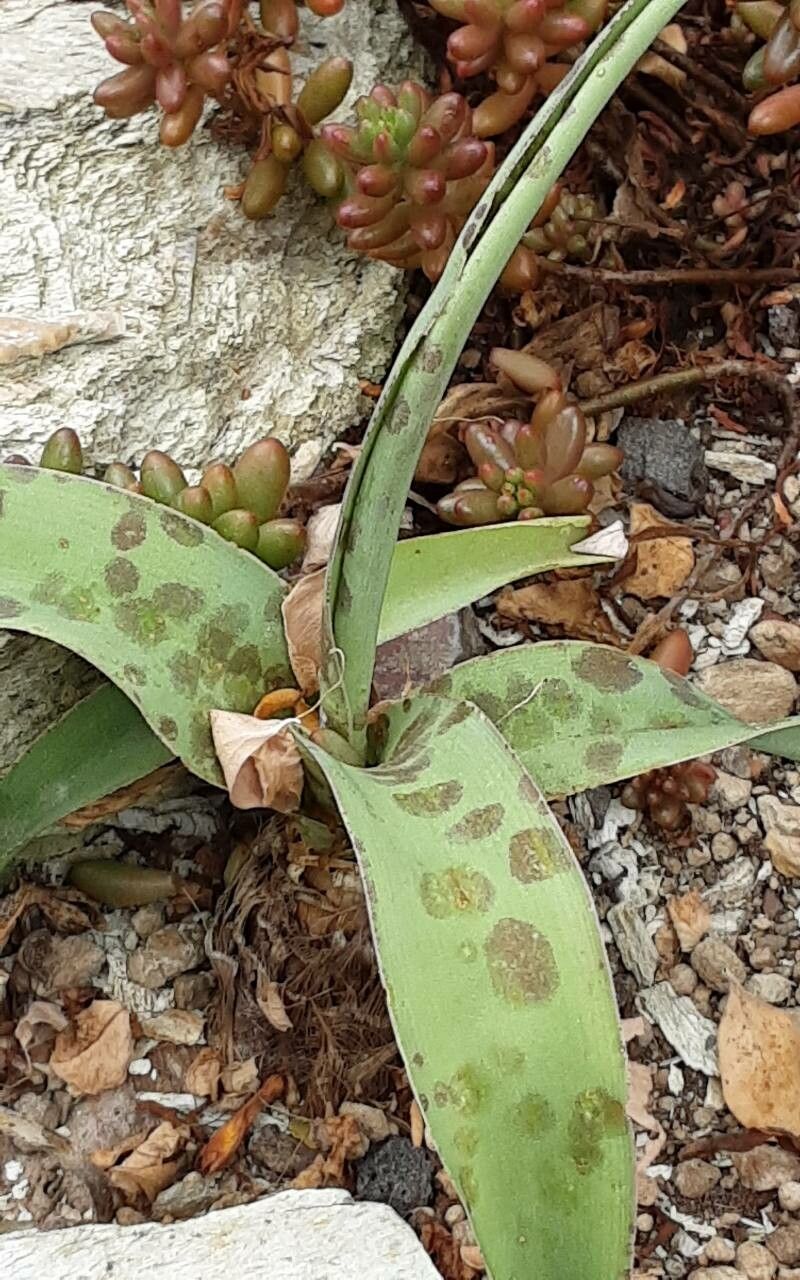
Oh, the graceful Agave gracillima! Isn’t she a beauty? With those slender, arching leaves and that elegant form, it’s no wonder this agave has captured so many hearts. And the best part? You can easily create more of these stunners for yourself, or to share with fellow plant lovers. Propagating them is a wonderfully rewarding experience, and I’m happy to guide you through it. For beginners, I’d say this one leans towards moderately easy, especially if you have a little patience.
The Best Time to Start
When it comes to Agave gracillima, spring and early summer are your best friends. Think of it as giving your new little plant the longest possible growing season ahead. This is when the plant is actively growing and has the most energy to put into developing roots. You’re looking for a plant that’s well-established, not stressed by extreme heat or cold.
Supplies You’ll Need
Let’s get our toolkit ready! Here’s what I always have on hand:
- Sharp, clean pruning shears or a knife: For making those crisp cuts.
- Well-draining potting mix: A cactus and succulent blend is perfect, or you can make your own with equal parts potting soil, perlite, and coarse sand.
- Rooting hormone (optional but recommended): A great little helper for encouraging root development.
- Small pots or trays: Think terracotta or plastic with drainage holes.
- Gloves: Agave can be a bit pokey!
- Watering can: With a gentle spout.
Propagation Methods
For Agave gracillima, we’ll focus on two reliable methods: offsets (pups) and stem cuttings.
Offsets (Pups)
This is often the easiest way to go. Agaves naturally produce baby plants, called offsets or pups, around their base.
- Identify your pups: Look for little rosettes growing right at the soil line of your mature Agave gracillima.
- Gently expose the base: Carefully brush away some soil around the base of the pup and the mother plant.
- Make the cut: With your clean pruning shears or knife, make a clean cut where the pup attaches to the main plant. Try to get a bit of the pup’s own root system if possible, but don’t worry if you don’t.
- Let it callous: This is crucial! Place the pup on a dry surface in a well-ventilated area, away from direct sunlight, for 2-3 days. This allows the cut end to dry out and form a protective callus, preventing rot.
- Plant it up: Once calloused, plant the pup in your well-draining potting mix. Don’t water immediately; wait for about a week to let any tiny nicks heal.
Stem Cuttings (If your agave has become leggy)
Sometimes, an agave can grow a long stem before it flowers. You can take cuttings from this stem.
- Take the cutting: Choose a healthy section of the stem, at least a few inches long, and cut it cleanly from the mother plant. Remove any lower leaves.
- Let it callous: Just like with pups, this is super important! Let the cutting dry and form a callus for several days to a week. Patience here pays off!
- Plant it up: Insert the calloused end of the cutting into your prepared potting mix. Again, hold off on watering for about a week.
I typically don’t recommend water propagation for agaves as the fleshy leaves can be quite prone to rot in water. Stick to the soil methods for the best results.
The “Secret Sauce” (Pro Tips)
Here are a couple of things I’ve picked up over the years that seem to make a difference:
- Don’t overwater, ever! This is probably the most common mistake. Agaves are desert plants; they thrive on neglect. Let the soil dry out completely between waterings. When you do water, water thoroughly.
- Bottom heat is your friend: If you’re propagating in cooler months or your home tends to be chilly, placing your pots on a seedling heat mat can significantly speed up root development. It mimics the warmth of summer soil.
Aftercare & Troubleshooting
Once your pup or cutting is in its pot, water sparingly initially. Let that soil dry out completely between waterings. You can gently tug on the plant after a few weeks; if there’s resistance, you’ve got roots!
The biggest issue you’ll likely encounter is rot. If you see the base of your cutting or pup turning mushy and dark, it’s usually a sign of too much moisture or not enough callus time. If it’s caught early, you might be able to salvage it by cutting away the rotted part and letting the healthy portion callous again. Cleanliness is key here – always use clean tools! Don’t be discouraged if a few don’t make it; it happens to us all!
A Encouraging Closing
Watching a new plant emerge from something so small is a little miracle. Be patient with your Agave gracillima babies. They’ll take their sweet time, and that’s part of their charm. Enjoy the process, celebrate each new root, and soon you’ll have a whole collection of these elegant beauties stretching towards the sun. Happy propagating!
Resource:
https://identify.plantnet.org/k-world-flora/species/Agave%20gracillima%20A.Berger/data