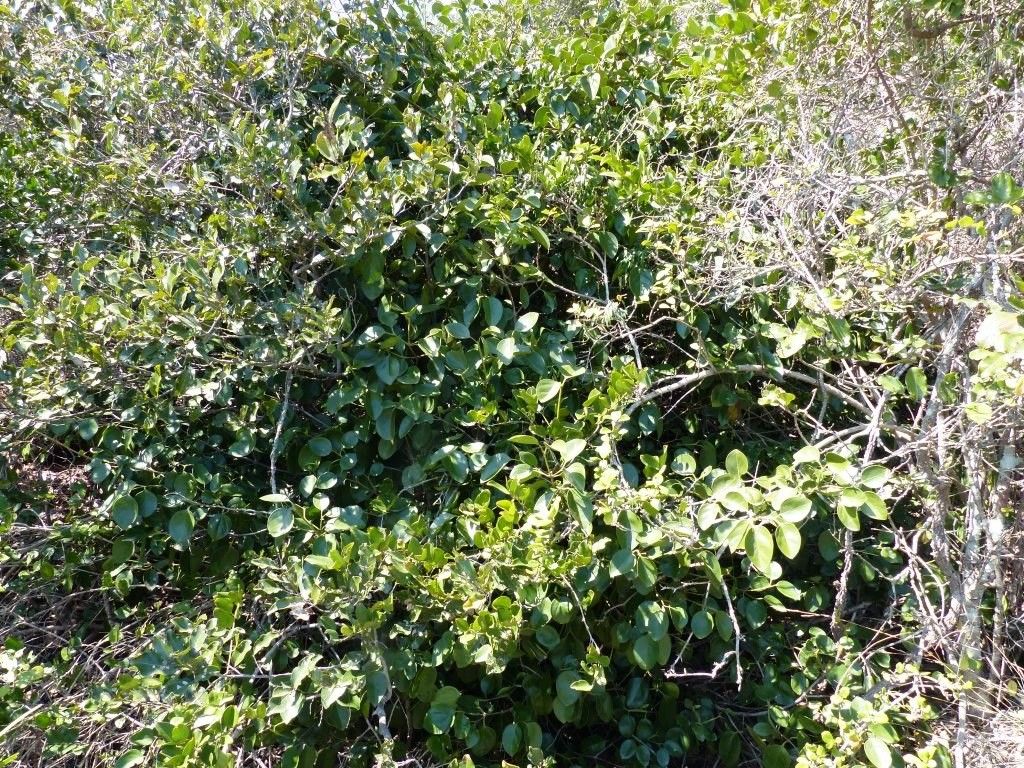
Hello fellow plant lovers! Today, we’re diving into the wonderful world of Psydrax paradoxus, also known affectionately as the Basket Bush. If you’ve ever admired its glossy, dark green foliage and those charming little clusters of star-shaped flowers, you’re in for a treat. Propagating this beauty is such a rewarding way to fill your garden with more of its understated elegance, or to share a piece of it with a friend. I’ve found Psydrax paradoxus to be a generally satisfactory plant for propagation, even for those new to the wonderful world of multiplying their greenery. It’s not overly fussy, which makes it a delightful project!
The Best Time to Start
For the absolute best success with Psydrax paradoxus, I’ve learned that late spring to early summer is your golden window. Think of it as the plant’s peak growing season. The days are getting longer, the temperatures are warming up, and the plant is brimming with energy. This is when your cuttings will be most vigorous and have the best chance of developing strong roots quickly. You can also try in early autumn, but you might find the rooting process is a little slower due to cooling temperatures.
Supplies You’ll Need
Gathering your tools beforehand makes the whole process so much smoother. Here’s what I always have on hand:
- Sharp pruning shears or a clean knife: For making clean cuts.
- Rooting hormone (optional but recommended): A powder or gel that encourages root development.
- Small pots or seedling trays: With drainage holes, of course!
- Proprietary potting mix: A well-draining mix is crucial. I like to use a blend of perlite and coco coir, or a dedicated seed-starting mix.
- Small plastic bags or a propagation dome: To create a humid environment.
- Spray bottle: For misting.
- Labels: To remember what you propagated and when!
Propagation Methods
While you might find a few ways to encourage Psydrax paradoxus to multiply, I’ve found stem cuttings to be the most reliable and straightforward.
Stem Cuttings:
- Select Your Cuttings: Look for healthy, non-flowering stems on your established Psydrax paradoxus. You want to choose stems that are semi-woody – not brand new, bright green growth, but also not completely woody and old. About 4-6 inches long is ideal.
- Make the Cut: Using your sharp pruning shears or knife, make a clean cut just below a leaf node (the point where a leaf attaches to the stem). This is where the magic of root formation often begins.
- Prepare the Cutting: Gently remove the lower leaves from the cutting, leaving just a few at the top. This helps the plant focus its energy on rooting rather than supporting a lot of foliage.
- Apply Rooting Hormone (Optional): Dip the cut end of the stem into your rooting hormone. Gently tap off any excess. This step is like giving your cutting a little superpower boost!
- Plant Your Cuttings: Fill your small pots or trays with your well-draining potting mix. Make a small hole with your finger or a pencil and insert the cut end of the stem cutting. Firm the soil gently around the base.
- Water and Cover: Water the soil thoroughly until it’s moist but not waterlogged. Then, place the pot inside a plastic bag or cover it with a propagation dome. This creates a mini-greenhouse, keeping the humidity high, which is vital for cuttings to root.
The “Secret Sauce” (Pro Tips)
Over the years, I’ve picked up a few tricks that seem to make all the difference.
- Bottom Heat is Your Friend: If you can, place your pots on a heated propagation mat. This gentle warmth encourages root growth from below, mimicking the soil temperature in summer. I find this significantly speeds up the process.
- Humidity is Key, But Not Soggy: While you want to keep your cuttings humid, ensure the leaves don’t touch the sides of the plastic bag where condensation collects. Excess moisture on leaves can lead to fungal issues. If you see a lot of water pooling, gently blot it dry. You can also poke a few small holes in the bag if it seems too damp.
- Patience is a Virtue (and an Art!): Don’t be tempted to pull your cuttings out too soon to check for roots. It can take anywhere from 4-8 weeks, sometimes longer, for cuttings to root. Resist the urge!
Aftercare & Troubleshooting
Once you start to see some new growth on top, or feel a gentle resistance when you lightly tug the cutting, it’s a good sign roots are forming!
- Acclimatize Gradually: Slowly start to introduce your rooted cuttings to drier air. Gradually open the plastic bag or propagation dome a little more each day over a week or so.
- Watering: Continue to keep the soil consistently moist, but never soggy. Once they’ve fully acclimated, you can begin watering them as you would a young plant.
- Troubleshooting: The most common issue you’ll encounter is rot. If your cutting turns black and mushy, it’s a sign of too much moisture and not enough air circulation. If you see this, unfortunately, it’s best to discard it and try again, focusing on that well-draining soil and appropriate humidity levels. Other signs of failure include wilting without any signs of new growth after a long period.
So there you have it! Propagating your Psydrax paradoxus is a journey, but a wonderfully rewarding one. Enjoy the process, celebrate each tiny success, and soon you’ll have a whole bush of beauty to enjoy! Happy propagating!
Resource:
https://identify.plantnet.org/k-world-flora/species/Psydrax%20paradoxus%20(Virot)%20Mouly/data