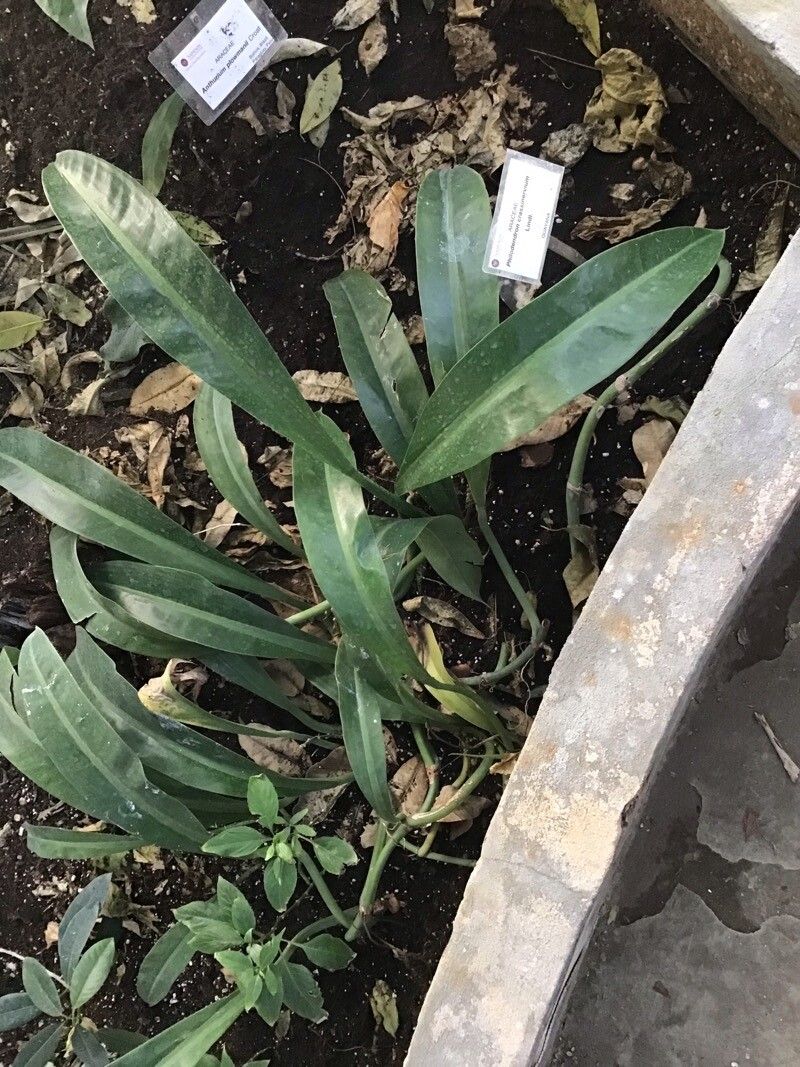
Oh, Philodendron crassinervium! If you’ve ever seen this beauty gracing a shelf, you know the allure. Those striking, prominent veins on deep green leaves are just chef’s kiss. And the best part? You can easily bring that magic into your own home by propagating it. It’s incredibly rewarding to watch a tiny cutting transform into a thriving plant. And for those just starting their houseplant journey, I’d say this one is a pretty good candidate for success. Nothing too fussy here!
The Best Time to Start
When it comes to boosting your propagation success, the warmer months are your best friend. Think spring and early summer. This is when your Philodendron crassinervium is in its active growth phase. It’s got plenty of energy to throw into pushing out new roots, making the whole process a lot smoother.
Supplies You’ll Need
Here’s what you’ll want to have on hand before you get started:
- Sharp Pruning Shears or a Clean Knife: For making clean cuts.
- Rooting Hormone (Optional but Recommended): Helps encourage root development.
- Small Pots or Propagation Vessels: Clean yogurt cups, peat pots, or small nursery pots work great.
- Well-Draining Potting Mix: A good starting point is a mix of potting soil, perlite, and a bit of orchid bark.
- Water: For water propagation or to moisten your soil.
- Clear Plastic Bag or Dome (Optional): To create a humid environment.
- Labeling Tags: To keep track of your new babies if you’re doing multiple.
Propagation Methods
Let’s get our hands dirty! Here are my go-to methods for multiplying your Philodendron crassinervium.
Stem Cuttings
This is my absolute favorite and often the most successful way.
- Find a Healthy Stem: Look for a stem that has at least two to three healthy leaves and a visible node. A node is that little bump where a leaf attaches to the stem. This is where new roots will emerge from.
- Make the Cut: Using your sharp shears, make a clean cut just below a node. You can take cuttings from longer stems, or even just one or two leaves with a node.
- Prepare the Cutting: If you’ve taken a longer cutting, you can remove the bottom leaf to expose more of the stem and help prevent leaf rot in the soil. If you’re using rooting hormone, dip the cut end into it now, tapping off any excess.
- Plant Your Cutting: Fill your small pot with your prepared, lightly moist potting mix. Make a small hole with your finger or a pencil and gently insert the cut end of the stem into the soil, making sure the node is buried.
- Settle In: Firm the soil gently around the cutting to provide support. You can water it lightly to help the soil settle.
Water Propagation
This is a fun and visual way to see your Philodendron crassinervium begin its rooty journey.
- Take Your Cutting: Just like with stem cuttings, find a healthy stem with at least two leaves and a node.
- Make the Cut: Use your sharp shears to cut just below a node.
- Prepare the Cutting: Remove any lower leaves that would be submerged in water.
- Place in Water: Put your cutting in a clean jar or glass filled with room-temperature water. Make sure the node is fully submerged, but the leaves are kept above the waterline.
- Find a Spot: Place your water propagation vessel in a bright spot with indirect light.
The “Secret Sauce” (Pro Tips)
Here are a few little tricks I’ve learned over the years that can really give your cuttings a boost:
- Don’t Let Leaves Touch the Water: This is crucial for water propagation. If leaves sit in the water, they’ll start to rot, which can take down your whole cutting. It’s that simple.
- A Humid Hug: For stem cuttings planted in soil, I sometimes like to give them a little extra humidity boost. I’ll pop the pot inside a clear plastic bag, making sure the leaves aren’t touching the plastic. This creates a mini-greenhouse effect. Just remember to open it up for a bit each day to let it breathe and prevent mold.
- Bottom Heat is Your Friend: If you’re really serious about speed, a little bit of bottom heat can work wonders. A heat mat designed for seedlings can warm the soil, encouraging roots to form faster. It’s like a cozy warm bed for your little propagation!
Aftercare & Troubleshooting
Once you see new root growth, you’re on the right track! For water propagations, you’ll see little white roots emerging from the node. For soil cuttings, you can give a gentle tug—if there’s resistance, roots have formed.
Once roots are a good inch or two long for water propagations, or you’re confident there are roots in soil, you can treat your new plant like any other P. crassinervium. Water when the top inch of soil feels dry, and provide bright, indirect light.
The most common hiccup you’ll encounter is rot. This usually happens from too much moisture and not enough air circulation. If you see your cutting becoming mushy or black at the cut point, it’s usually a sign of rot. Sadly, it’s often best to discard it and try again, ensuring your conditions are a bit drier and more airy next time.
A Encouraging Closing
Propagating plants is a journey, and like all good journeys, it requires a little patience. Don’t get discouraged if your first attempt isn’t an instant success. Celebrate the small victories—seeing that first tiny root emerge is a moment of pure horticultural joy! Keep experimenting, keep learning, and enjoy the process of bringing more green into your life. Happy propagating!
Resource:
https://identify.plantnet.org/k-world-flora/species/Philodendron%20crassinervium%20Lindl./data