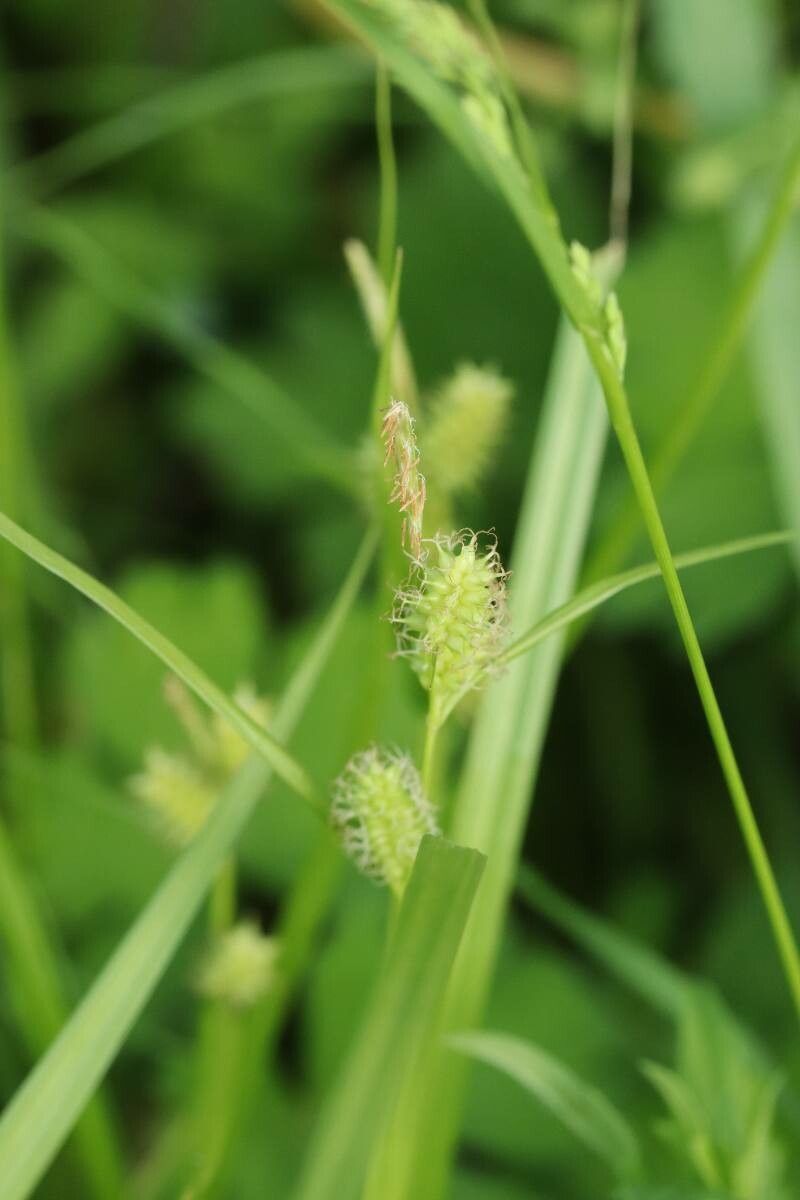
Hello, green thumbs! It’s so lovely to have you back in my little corner of the gardening world. Today, we’re going to dive into one of my absolute favorite sedges: Carex aphanolepis. If you’ve ever admired its delicate, airy foliage cascading over a garden edge or adding a whisper of movement to a shady spot, you’re in for a treat. Propagating this beauty is surprisingly rewarding, and truth be told, it’s a fantastic plant for beginners looking to expand their collection without too much fuss.
The Best Time to Start
Timing is everything in the garden, and for Carex aphanolepis, I’ve found the sweet spot is usually late spring to early summer. This is when the plant is actively growing and brimming with energy. You’ll be able to pull healthy divisions or take cuttings with the best chance of success. Wait until the risk of frost has completely passed, and your little ones can sit happily outdoors or in a sheltered spot.
Supplies You’ll Need
Gathering your supplies ahead of time makes the whole process feel much smoother. Here’s what I usually have on hand:
- Sharp Pruning Shears or a Clean Knife: For making precise cuts.
- Rooting Hormone (Optional but Recommended): Especially for cuttings. A powdered or gel form works well.
- Well-Draining Potting Mix: I like a blend of peat moss, perlite, and a bit of compost. A specific sedge or grass mix is also great.
- Small Pots or Trays: Clean, suitable for the size of your cuttings or divisions.
- Watering Can with a Fine Rose: For gentle watering.
- Labels and a Permanent Marker: So you don’t forget what you planted where!
- Plastic Bags or a Clear Dome: To create a humid environment for cuttings.
Propagation Methods
Carex aphanolepis is wonderfully adaptable, but division is my go-to method for this particular sedge, especially for beginners.
Division: My Top Recommendation
This is the most straightforward way to increase your Carex aphanolepis population.
- Excavate Gently: In late spring or early summer, carefully dig up your established Carex aphanolepis plant. Try to get as much of the root ball as possible.
- Shake Away Excess Soil: Gently shake off some of the loose soil. This will allow you to see the natural clumps within the plant.
- Divide and Conquer: You can do this by hand or with a sturdy knife. Grab hold of two sections of the plant and gently pull them apart. If it’s a bit stubborn, use your knife to slice through the root ball, ensuring each section has plenty of healthy roots and some leafy top growth. Don’t be afraid to make multiple divisions from a single plant.
- Replant Immediately: Pot up your new divisions into individual pots filled with your prepared potting mix. Water them in thoroughly.
Taking Cuttings (A Little More Advanced)
If you want to try cuttings, this is how I approach it.
- Select Healthy Shoots: From your actively growing plant, choose vigorous, non-flowering shoots that are about 3-4 inches long.
- Make a Clean Cut: Using your sharp shears or knife, make a cut just below a leaf node (where a leaf attaches to the stem).
- Prepare the Cutting: Remove the lower leaves, leaving just a couple at the top. If you’re using rooting hormone, dip the cut end into it now, tapping off any excess.
- Plant Your Cuttings: Fill small pots with your well-draining mix and gently insert the cuttings, ensuring the leaf nodes are covered by the soil.
- Create Humidity: Water gently and then cover the pots with a plastic bag or a clear dome to maintain high humidity. Place them in a bright, indirect light location.
The “Secret Sauce” (Pro Tips)
Now, for those little nuggets of wisdom that really make a difference.
- Don’t Drown Your Cuttings: If you’re doing the plastic bag method, make sure the leaves don’t touch the sides of the bag. If they do, they’re prone to rot. I often use small stakes to prop the bag up a bit.
- Warmth is Wonderful: For cuttings, a little bottom heat can significantly speed up root development. A heat mat designed for seedlings is perfect. You’ll notice roots forming much more readily.
- Embrace the Mulch: When you’re dividing, I like to mulch the parent plant generously after replanting. This helps it retain moisture and recover from the stress of being disturbed.
Aftercare & Troubleshooting
Once roots begin to form (you might see them peeking from the drainage holes on divisions, or new growth on cuttings), it’s time for their next phase.
- Gradual Acclimation: For cuttings, slowly remove the humidity cover over a week or so. Don’t shock them with sudden dryness.
- Consistent Moisture: Keep the soil consistently moist but not soggy. This is crucial. Overwatering is the quickest way to invite problems.
- Watch for Rot: The most common sign of trouble is rot. If your cuttings turn mushy and black, or if your divisions look listless and the soil is waterlogged, you might be overwatering. Ensure good drainage and allow the surface to dry slightly between waterings.
- Patience is Key: It can take weeks, even months, for divisions to fully establish and cuttings to show robust growth. Don’t give up too soon!
There you have it – a little guide to multiplying your Carex aphanolepis joy. Remember, gardening is all about observation and a good dose of patience. Enjoy the process of nurturing these new life forms, and soon you’ll have even more of these graceful sedges to grace your garden. Happy propagating!
Resource:
https://identify.plantnet.org/k-world-flora/species/Carex%20aphanolepis%20Franch.%20&%20Sav./data