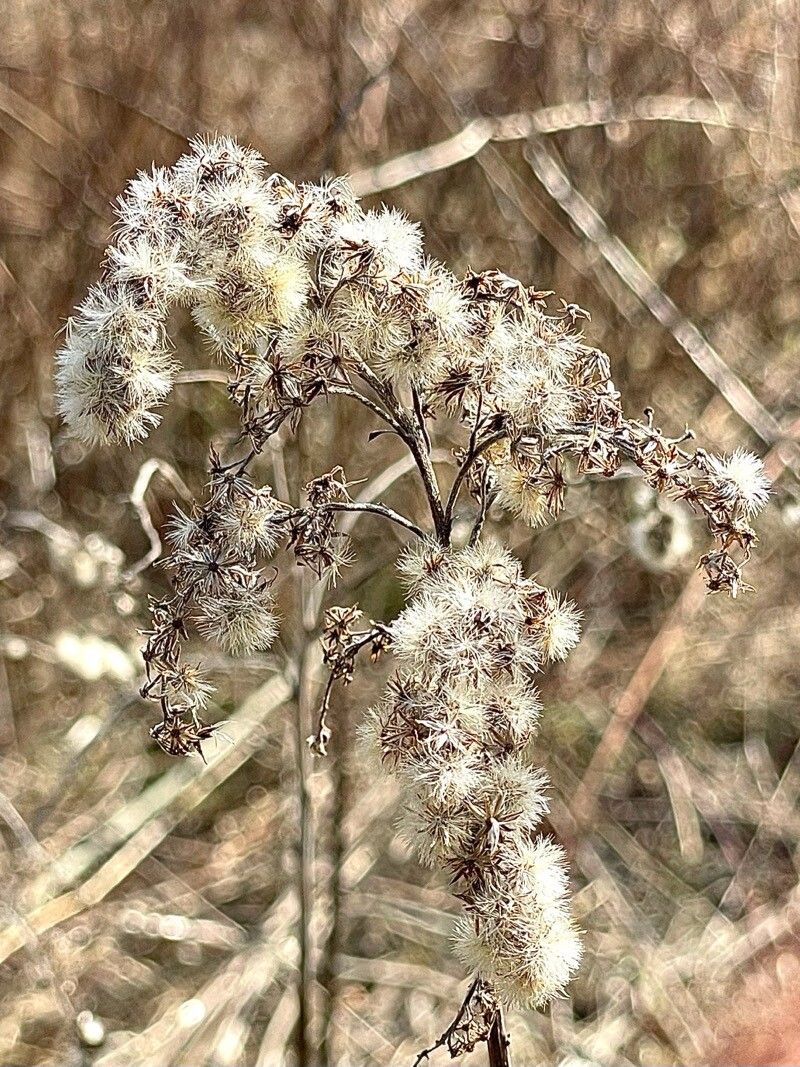
Oh, Solidago gigantea! What a joy it is to have these vibrant bursts of sunshine gracing our gardens. Those tall, nodding stems adorned with a cascade of golden blossoms feel like pure summer magic. If you’ve ever admired them and wished you had more, you’re in for a treat. Propagating Solidago gigantea is not only achievable but incredibly rewarding. And for us garden enthusiasts, especially those just dipping their toes into propagation, you’ll find this plant to be quite forgiving. It’s a wonderful starting point!
The Best Time to Start
For Solidago gigantea, I find the sweet spot for propagation is typically in late spring to early summer. This is when the plant is actively growing and has plenty of energy to dedicate to rooting. If you’re planning on dividing clumps, early spring, just as new growth starts to emerge, is also a fantastic time. The soil is usually moist, and the plant is ready to bounce back with vigor.
Supplies You’ll Need
Here’s what I usually have on hand when I’m ready to multiply my goldenrods:
- Sharp Pruning Shears or a Garden Knife: Clean cuts are crucial for healthy root development.
- A Good Potting Mix: I like a mix that’s well-draining. A blend of compost, perlite, and peat moss works wonders. You could also opt for a sterile seed-starting mix.
- Small Pots or Trays: For starting your new cuttings.
- Rooting Hormone (Optional but Recommended): This little helper can significantly boost your success rate, especially for stem cuttings.
- Watering Can with a Fine Rose: Gentle watering is key so you don’t disturb your new propagations.
- Labels: Don’t forget to label your work – trust me on this one!
- A Shovel or Trowel: For dividing established plants.
Propagation Methods
Solidago gigantea is wonderfully versatile, and you have a couple of excellent ways to create new plants.
Division (The Easiest Way!)
This is my preferred method for Solidago, as it’s so straightforward and the plant practically begs you to do it!
- Dig Up the Plant: In early spring or fall, gently dig up an established clump. Be careful not to damage the roots.
- Inspect the Roots: You’ll see the main root ball, often with several distinct crowns or growing points emerging.
- Separate the Crowns: Use your hands, or a clean, sharp spade or knife, to gently pull or cut the clump apart. Aim for sections that have at least one or two good-sized stems and a healthy root system attached.
- Replant Immediately: Plant your divisions into their new homes, whether that’s a new spot in your garden or in pots to grow on. Water them in well.
Stem Cuttings (A Bit More Patience)
This method is great if you want to multiply your goldenrods faster or start them at a specific time.
- Take Cuttings: In late spring or early summer, select healthy, non-flowering shoots about 4-6 inches long. Using clean shears, make a cut just below a leaf node (where a leaf attaches to the stem).
- Prepare the Cuttings: Remove the lower leaves from the cutting, leaving just a few at the top. This helps prevent them from rotting in the soil.
- Apply Rooting Hormone: If you’re using it, dip the cut end of the stem into the rooting hormone. Tap off any excess.
- Plant in Potting Mix: Insert the cuttings into small pots filled with your prepared potting mix. Make a little hole with a pencil or dowel first to avoid rubbing off the rooting hormone.
- Water Gently: Water thoroughly, but gently, to settle the soil around the cuttings.
The “Secret Sauce” (Pro Tips)
Here are a few little tricks I’ve picked up over the years that can make all the difference:
- For Stem Cuttings: Humidity is Key! Once your cuttings are planted, cover the pots with a plastic bag or a clear plastic dome. This creates a mini-greenhouse effect, keeping the humidity high, which is essential for cuttings to root. Make sure the leaves aren’t touching the sides of the bag too much, as this can encourage rot.
- Bottom Heat for Cuttings: If you have an old heat mat from seed starting, it can be a game-changer for stem cuttings. Placing your pots on a gentle heat mat encourages faster root development from below, giving them a real head start.
- Don’t Rush the Process: Be patient! It can take several weeks, sometimes even longer, for cuttings to develop a robust root system. Resist the urge to tug on them to check for roots; instead, look for new leaf growth as a sign of success.
Aftercare & Troubleshooting
Once your divisions are settled in or your cuttings have rooted (you’ll know when you see new, healthy growth and feel some resistance when you gently tug), it’s time for a little tender loving care.
- Gradual Acclimation: If you’ve used a humidity dome, gradually remove it over a few days to help your new plants adjust to normal humidity levels.
- Watering: Keep the soil consistently moist but not waterlogged. Overwatering is the most common culprit for failure.
- Light: Place your new plants in a spot that receives bright, indirect light. Avoid direct, scorching sun when they are still young and vulnerable.
- Troubleshooting – The Rotting Issue: If you notice your stems turning black or mushy, or if your cuttings just fall over and look sad, it’s likely rot, usually caused by too much moisture and poor air circulation. Discard any affected cuttings immediately to prevent it from spreading. Ensure your potting mix is well-draining and you’re not overwatering.
A Little Encouragement
Remember, gardening is a journey, and propagation is a wonderful way to become more intimately connected with your plants. Don’t be discouraged if every single cutting doesn’t make it. Celebrate the successes, learn from the setbacks, and most importantly, enjoy the process of creating more of that delightful goldenrod magic for your garden. Happy propagating!
Resource:
https://identify.plantnet.org/k-world-flora/species/Solidago%20gigantea%20Aiton/data