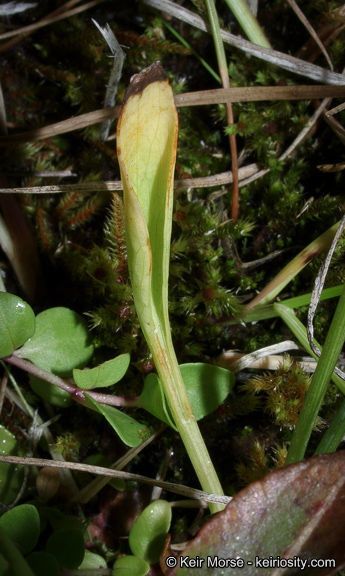
Hello fellow plant lovers! Today, we’re diving into the delightful world of Perideridia parishii, also known as Parish’s yampah. This lovely native plant, with its delicate white flowers and edible roots, is a real treasure in the garden. Propagating it yourself is incredibly satisfying. You get more of these beauties to share or plant throughout your landscape, and it’s a wonderful way to connect with nature’s cycles. For beginners, I’d say Perideridia parishii falls somewhere in the middle – not a tricky task, but it does require a little attention and patience.
The Best Time to Start
The sweet spot for propagating Perideridia parishii is generally in the late fall or early winter, after the plant has finished its active growing season and gone dormant. This is when the energy is stored in the roots, making them robust and ready for division. Waiting until the foliage has completely died back is key. Trying to propagate when the plant is actively growing can stress it and reduce your success rate.
Supplies You’ll Need
Gathering your tools before you begin makes the process so much smoother. Here’s what I always have on hand:
- Sharp trowel or a sturdy gardening knife: For cleanly dividing the root structures.
- Rooting hormone powder (optional but helpful): This can give your divisions a little boost.
- Sharp pruning shears: To trim any damaged roots or foliage.
- Compost-rich, well-draining potting mix: I like a blend of compost, perlite, and a bit of sand.
- Small pots or seed trays: For re-potting your new divisions.
- Labels and a waterproof marker: To keep track of what you’ve propagated and when.
- Watering can with a fine rose: For gentle hydration.
Propagation Methods: Division is Your Friend
For Perideridia parishii, the most effective and straightforward propagation method is division. The plant forms clusters of tuberous roots, and separating these is how we create new plants.
- Gently Excavate: In late fall or early winter, carefully dig around the base of your established Perideridia parishii. Use your trowel to loosen the soil and gently lift the entire plant clump. Try not to damage the roots too much.
- Clean the Roots: Once out of the ground, gently brush away as much of the excess soil as you can. This will help you clearly see where the individual root structures are connected.
- Identify Growing Points: Look for where the root system naturally wants to separate. You’ll see distinct crowns or buds where new growth can emerge.
- Divide with Care: Using your clean trowel or knife, carefully separate the root clumps. Aim to make clean cuts. Each new piece should have at least one healthy root and a visible bud or crown. If a piece seems very small or damaged, it’s probably best to discard it. My rule of thumb is this: if I have to really force it apart, I’m probably going to damage it more than help it. Gentle persuasion is usually best.
- Optional Rooting Hormone: If you like, you can lightly dip the cut ends of the divisions into rooting hormone powder. This isn’t strictly necessary for Perideridia parishii, but it can encourage faster root development.
- Plant Your New Babies: Fill your pots or trays with your well-draining potting mix. Make a hole large enough for the roots and plant each division so the crown is just at or slightly below the soil surface.
- Water In: Water thoroughly but gently. You want the soil to be moist but not soggy.
The “Secret Sauce” (Pro Tips)
After years of coaxing plants into new life, I’ve learned a few tricks that can make all the difference.
- Don’t Overcrowd the Pot: When you’re dividing, it’s tempting to cram as many pieces into one pot as possible. Resist this! Give each division a little space to breathe and establish itself. This prevents competition for resources and reduces the risk of rot from poor air circulation.
- Mimic Dormancy with Cool and Dark: After dividing and potting, place your new divisions in a cool, dark location for a few weeks. Think of a shaded spot in a cool greenhouse, an unheated garage with a little natural light, or even a cool, dim shed. This helps them settle in and reduces transplant shock as they transition from their dormant state.
- Watch for the First Signs of Life: Patience is a virtue! Don’t be inclined to dig them up too soon to check for roots. Wait until you see new green shoots emerging from the soil. That’s your most reliable sign that the division has successfully taken root and is ready to grow on.
Aftercare & Troubleshooting
Once you see those first little green shoots, you’re on the right track! Gradually introduce your newly propagated Perideridia parishii to brighter light, but avoid direct, harsh sun for the first few weeks. Keep the soil consistently moist but not waterlogged. Water when the top inch of soil feels dry to the touch.
The most common problem you might encounter is rot. This usually happens if the soil stays too wet, especially in cooler conditions. If you notice a division turning mushy, discolored, or developing a foul smell, it’s likely suffering from rot. Unfortunately, once rot sets in, it’s very difficult to save. Your best bet is to remove the affected piece immediately and try to improve drainage and air circulation for any remaining plants. Good drainage is your absolute best defense against rot.
A Encouraging Closing
Propagating Perideridia parishii is a journey, and like any good gardening endeavor, it’s a chance to learn and connect. Be patient with your new plants, and don’t get discouraged if you lose one or two along the way. Every gardener has had their share of mishaps! Celebrate your successes, and enjoy the incredibly rewarding process of growing more of these wonderful plants. Happy propagating!
Resource: