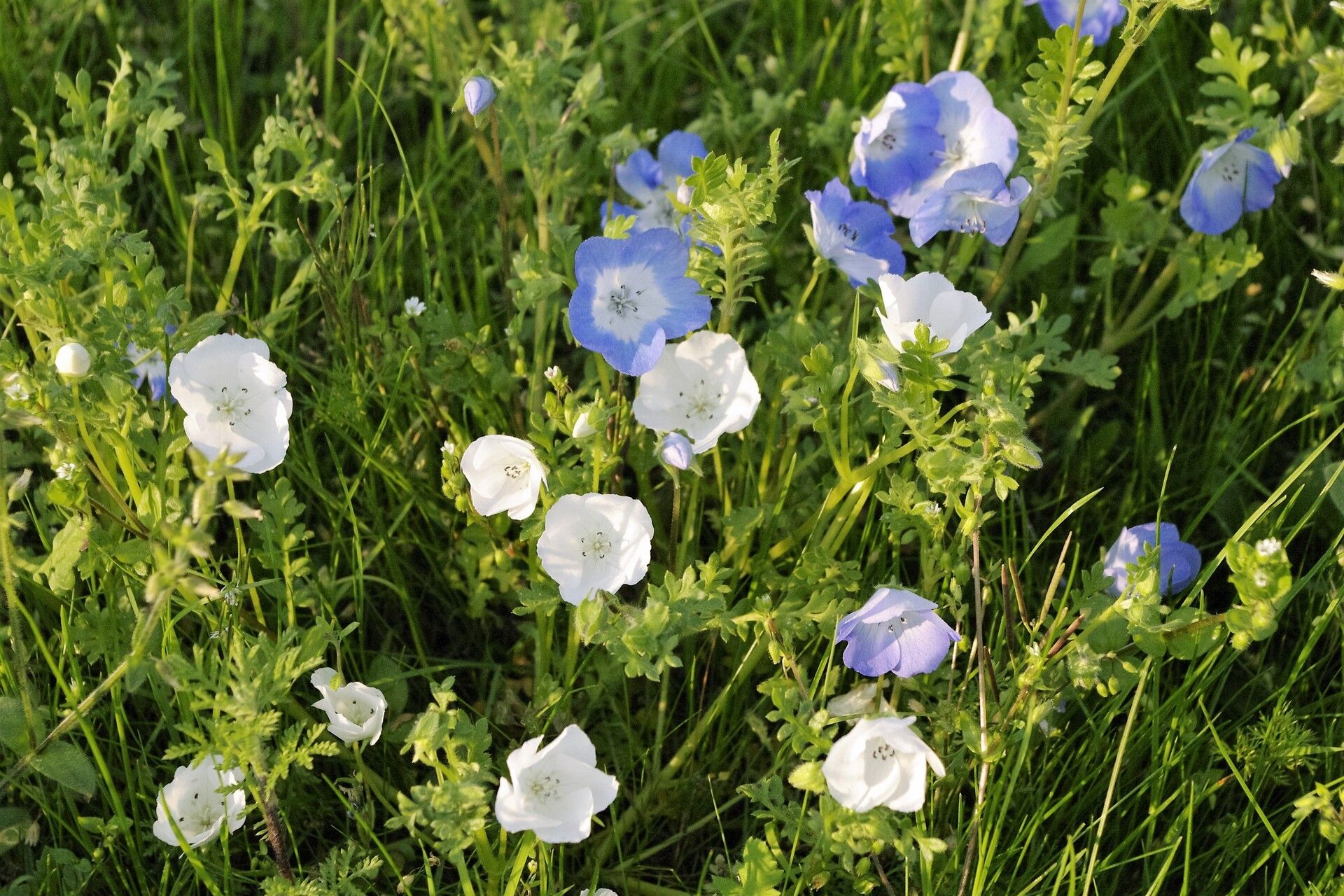
Oh, Nemophila menziesii! Isn’t it just a dream? Those delicate, cup-shaped flowers, often a vibrant blue with white centers, can truly transform a shady corner or a container planting into something magical. It’s commonly known as Baby Blue Eyes, and honestly, the name fits perfectly. If you’ve ever admired this beauty and wished you had more of it gracing your garden, you’re in luck! Propagating Nemophila menziesii is a thoroughly rewarding endeavor. And the best part? For most of us home gardeners, it’s an easy peasy plant to increase. You’ll be sharing these little blue wonders with friends in no time.
The Best Time to Start
When it comes to Nemophila menziesii, timing is key for the best results. I’ve found the highest success rates come from starting seeds directly outdoors in the early spring. Think late March or early April here in my zone 7 garden, just as the last frost is threatening to be truly last. This plant absolutely dislikes transplant shock, so sowing directly where you want it to grow is the golden rule. If you’re thinking of collecting seeds from a mature plant, wait until the seed pods have dried on the stalk in late summer or early fall.
Supplies You’ll Need
Gathering your tools beforehand makes the whole process smoother. Here’s what I usually have on hand:
- Fresh Nemophila menziesii seeds: Either store-bought or collected from your own plants.
- A well-draining soil mix: About a 50/50 blend of potting soil and perlite or coarse sand works wonders.
- A small trowel or dibber: For making little holes for your seeds.
- A watering can with a fine rose: To avoid disturbing newly sown seeds.
- Optional: A light dusting of mulch: Such as fine compost or vermiculite, to help retain moisture.
Propagation Methods: Sowing Seeds
While The good news is that Nemophila menziesii is most easily and successfully propagated by seed. Stem cuttings or division aren’t typically the go-to methods for this particular charmer. So, let’s focus on giving those little seeds the best start!
- Prepare Your Spot: Find a location in your garden that receives partial to full shade. Nemophila menziesii hates intense sun, especially in the afternoon. Make sure the soil is loosely dug and free of large clods or weeds.
- Sow the Seeds: Scatter the seeds fairly thinly over the prepared surface. I usually aim for about 6-8 inches apart, but since they are tiny, don’t get too stressed about perfect spacing. Then, gently rake them into the soil to a depth of about 1/8 inch. You want them to be just covered.
- Water Gently: Using your watering can with the fine rose attachment, water the area thoroughly but gently. You don’t want to wash those precious seeds away! Keep the soil consistently moist, but not waterlogged, until germination.
- Wait for Germination: You should start to see tiny seedlings emerge in about 10 to 20 days, depending on your soil temperature and moisture levels.
The “Secret Sauce” (Pro Tips)
Over the years, I’ve picked up a few tricks that seem to give my Nemophila menziesii a little extra boost.
- Cold Stratification (Optional but helpful): If you’re collecting your own seeds and sowing them in the fall, Mother Nature will do the work for you. But if you’re sowing in spring and want to give them a head start, you can try cold stratification. Mix your seeds with a bit of damp sand in a plastic bag and pop it in the fridge for about 2-4 weeks before sowing. This mimics winter conditions and can improve germination.
- Don’t Overcrowd: It’s tempting to sow very thickly, but overcrowding leads to weak seedlings that are prone to disease. Give them a little breathing room; they’ll thank you for it by growing stronger.
- Embrace the Self-Seeders: Nemophila menziesii is a fantastic self-seeder. If you let a few plants go to seed and then leave those spent flower heads (and the subsequent seed pods) in place, you’ll likely have a beautiful cascade of Baby Blue Eyes appearing year after year without you lifting a finger! It’s nature’s way of propagating for you.
Aftercare & Troubleshooting
Once your little seedlings have sprouted and have a couple of true leaves, you might need to thin them out if they’re too close together. Aim for plants spaced about 6 inches apart. Continue to keep the soil consistently moist, especially during dry spells, but avoid letting them sit in soggy conditions. Nemophila menziesii is pretty drought-tolerant once established, but young plants need a helping hand.
The most common issue you might encounter is damping off. This is a fungal disease that affects seedlings, causing them to rot at the soil line and fall over. It’s usually caused by overwatering or poor air circulation. If you see this happening, remove the affected seedlings immediately and ensure you’re not overwatering. Good drainage and a good light, airy spot will go a long way in preventing it.
A Encouraging Closing
There you have it! Propagating Nemophila menziesii is a joyful experience, and with a little care, you’ll be rewarded with masses of beautiful blue blooms. Don’t be discouraged if every single seed doesn’t sprout; gardening is all about learning and observing. Be patient with your tiny seedlings, enjoy the process, and most importantly, have fun watching those little Baby Blue Eyes unfurl their magic in your garden. Happy growing!
Resource:
https://identify.plantnet.org/k-world-flora/species/Nemophila%20menziesii%20Hook.%20&%20Arn./data