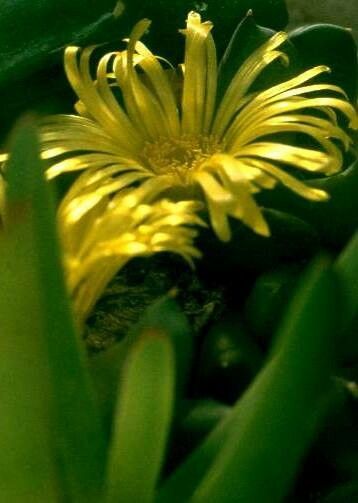
Hello fellow plant enthusiasts! Today, we’re diving into the wonderful world of Glottiphyllum surrectum. If you’re looking for a succulent that’s a bit out of the ordinary, with its delightfully plump, tongue-like leaves that seem to dance towards the sun, you’ve found it. Propagating these beauties is a truly rewarding experience, and I’m thrilled to share my years of gardening wisdom with you. For those just starting their succulent journey, I’d say Glottiphyllum surrectum is moderately easy to propagate. It’s not as hands-off as some, but with a little attention, you’ll be rewarded with plenty of new plants.
The Best Time to Start
The optimal time to propagate Glottiphyllum surrectum is during its active growing season, which for most succulents, falls in the late spring and summer months. This is when the plant has the most energy to push out new roots. You can also have good success in early autumn, as long as you provide warmth and light. Avoid propagating during the plant’s dormant period in winter or during extreme heatwaves.
Supplies You’ll Need
Before we get our hands dirty, let’s gather our tools:
- Sharp, clean pruning shears or a sharp knife: For taking clean cuts.
- Rooting hormone (optional, but recommended): This can give your cuttings a helpful boost.
- Well-draining succulent or cactus potting mix: This is crucial. I often mix my own with equal parts coarse sand, perlite, and potting soil.
- Small pots or seed trays: For your new plantlets. Make sure they have drainage holes!
- A watering can with a fine rose or a spray bottle: To gently water your cuttings.
- Patience! This is perhaps the most important tool of all.
Propagation Methods
Glottiphyllum surrectum is wonderfully versatile, and we can propagate it through a couple of primary methods: leaf cuttings and division.
1. Leaf Cuttings: The Art of New Starts
This is my favorite way to create new Glottiphyllum surrectum plants.
- Select a healthy leaf: Look for a plump, mature leaf that’s firmly attached to the mother plant.
- Make the cut: Using your sterilized shears or knife, make a clean cut right at the base of the leaf, where it joins the main stem. Try to get a tiny bit of the stem tissue if possible.
- Callus over: This is a vital step. Lay the leaf cutting on a dry surface (like a paper towel or a clean tray) in a warm, dry, and bright location out of direct sun for 3-7 days. You’ll see the cut end begin to dry and form a protective callus. This prevents rot when you plant it.
- Planting time: Once callused, gently insert the callused end of the leaf into your well-draining succulent mix. Don’t push it too deep, just enough so it stands upright.
- Watering: Do NOT water immediately. Wait another few days to a week. Then, lightly mist the soil surface or water very sparingly from the bottom, ensuring the soil is just barely moist, not soggy. You want to encourage the leaf to seek out moisture.
2. Division: Multiplying the Mother Plant
If your Glottiphyllum surrectum has become a bit crowded and is producing pups (baby plants) at its base, this method is perfect.
- Gently remove from pot: Carefully take the mother plant out of its container.
- Examine the roots: Look for where new plantlets are emerging from the base of the main stem, often with their own small root systems.
- Separate the divisions: Using your clean knife or a gentle tug, carefully separate these pups from the parent plant. Try to keep as much of their individual root system intact as possible.
- Callus again (if needed): If any of the divisions have lost a significant portion of their roots or have a fresh wound, let them air dry for a day or two to callus over.
- Pot them up: Plant each division in its own small pot filled with your well-draining succulent mix.
- Watering: Similar to leaf cuttings, wait a few days before watering sparingly.
The “Secret Sauce” (Pro Tips)
Here are a couple of tricks I’ve learned over the years that really help:
- Don’t let the leaves touch water: When you water leaf cuttings, especially in the beginning, take care not to let the leaves themselves sit in water or on perpetually wet soil. This is an express ticket to rot. Misting or bottom watering are your friends here.
- Bottom heat is fantastic: If you’re propagating in a cooler environment or want to speed things up, placing your pots on a gentle heating mat designed for plants can work wonders. It mimics the warmth succulents love and encourages roots to form more quickly. Just ensure the mat provides gentle warmth, not intense heat.
Aftercare & Troubleshooting
Once your cuttings or divisions have started to develop roots, you can treat them with a bit more confidence.
- Watering: Water when the soil is completely dry. You can test this by feeling the weight of the pot or sticking your finger about an inch into the soil.
- Light: Gradually introduce them to brighter light, but avoid scorching direct sun for the first few weeks. A bright, indirect light is ideal.
- Signs of trouble: The most common problem you’ll encounter is rot. If a leaf cutting turns mushy and brown, or a division starts to wilt and rot at the base, it’s usually a sign of overwatering or poor drainage. Sadly, these are often beyond saving, but don’t get discouraged! It’s part of the learning process. Another sign of failure is if the cuttings simply shrivel up and fail to root after a prolonged period. This could be due to not callusing properly or being kept too wet initially.
A Little Something to Grow On
Propagating Glottiphyllum surrectum is a journey, and like any good journey, it requires a bit of patience. Don’t be disheartened if your first few attempts aren’t perfect. Each attempt teaches you something new about your plant and its needs. Enjoy the process of nurturing these little green wonders, and soon you’ll have a small army of these delightful succulents to admire. Happy growing!
Resource: