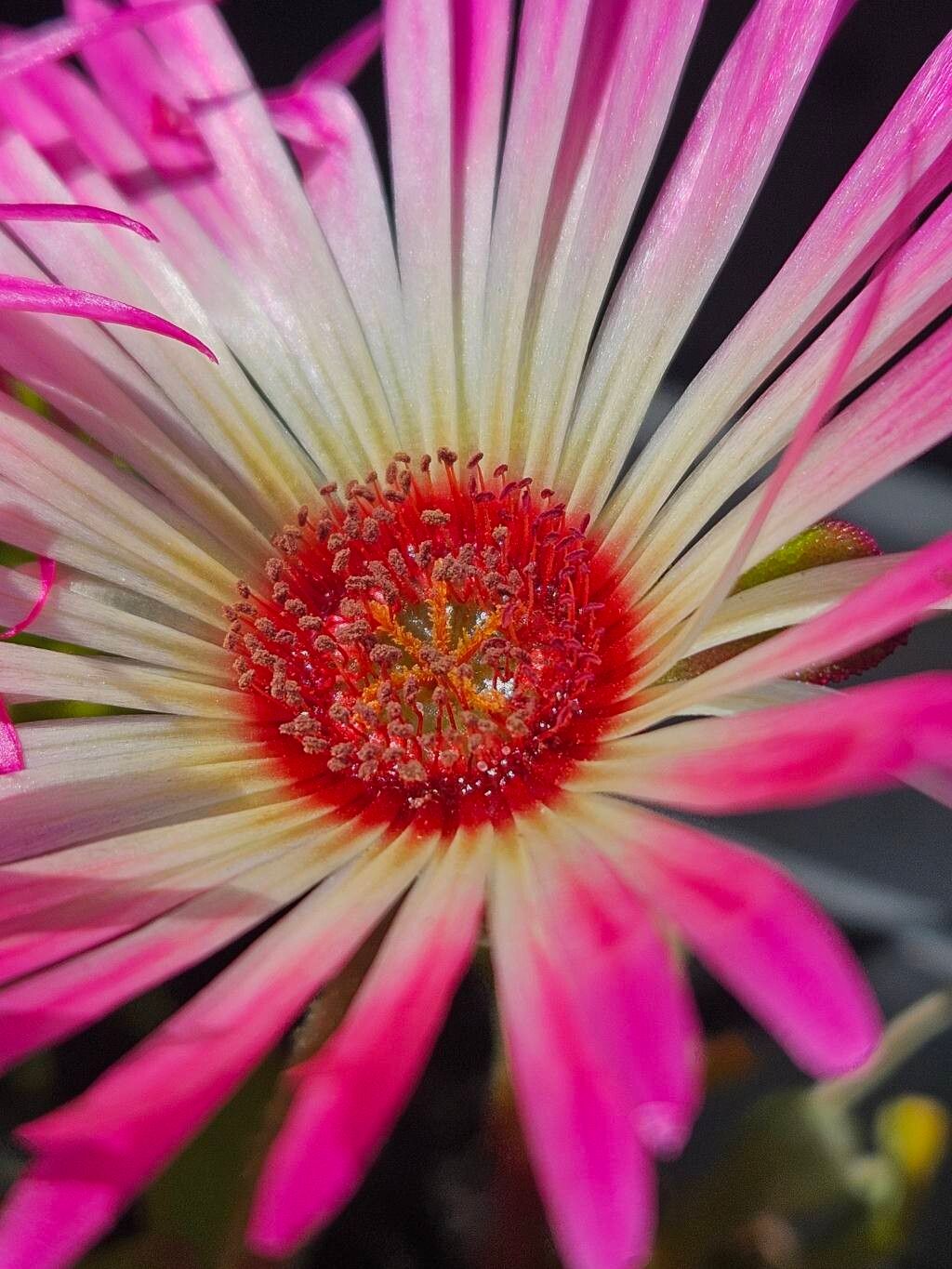
Hello there, fellow garden enthusiasts! I’m so excited to chat with you today about a truly delightful little plant: Cleretum bellidiforme, also affectionately known as Livingstone Daisy or African Daisy. These cheerful blooms, with their daisy-like petals that shimmer in the sun, bring such a burst of color to any garden, especially in drier spots. And let me tell you, coaxing new plants from these beauties is incredibly rewarding. If you’re just starting your propagation journey, you’ll be happy to know that Cleretum bellidiforme is quite forgiving. It’s a wonderful plant to get your hands dirty with for the first time!
The Best Time to Start
For the highest success rate with Cleretum bellidiforme, I always find spring to early summer to be the sweet spot. This is when the plant is actively growing, and cuttings or divisions will have the best energy to establish themselves. Aim for when your parent plants are looking robust and have plenty of healthy stems to work with.
Supplies You’ll Need
Gathering your supplies beforehand makes the whole process so much smoother. Here’s what I always have on hand:
- Sharp, clean pruning shears or a sharp knife: For taking nice, clean cuttings.
- A well-draining potting mix: A cactus or succulent mix works beautifully, or you can amend regular potting soil with perlite or coarse sand.
- Small pots or seed trays: With drainage holes, of course!
- Rooting hormone (optional but recommended): This can give your cuttings a helpful boost.
- A watering can with a fine rose attachment: For gentle watering.
- A mister or spray bottle: To keep humidity levels up.
- Labels and a marker: To keep track of your new babies!
Propagation Methods
There are a couple of easy ways to multiply your Cleretum bellidiforme. I often use stem cuttings, as they’re quick and effective.
Stem Cuttings
- Take Your Cuttings: In the spring or early summer, select healthy, non-flowering stems from your mature plant. Using your sharp shears, make a clean cut just below a leaf node (where a leaf attaches to the stem). You want cuttings that are about 3-4 inches long.
- Prepare the Cuttings: Gently remove the lower leaves from the cutting, leaving a few at the top. This prevents them from rotting in the soil and exposes the stem for rooting.
- Apply Rooting Hormone (Optional): If you’re using rooting hormone, dip the cut end of each cutting into it, tapping off any excess.
- Plant Your Cuttings: Fill your small pots or trays with your well-draining potting mix. Make a small hole in the center of each pot with your finger or a pencil. Insert the cut end of the Cleretum bellidiforme cutting into the hole and gently firm the soil around it.
- Water Gently: Water the soil lightly to settle it around the cuttings. You want the soil to be moist, but not waterlogged.
Water Propagation (A quick win!)
This method is a bit faster to see results, though I find soil propagation leads to sturdier plants in the long run.
- Prepare Your Cuttings: Follow steps 1 and 2 from the stem cutting method.
- Place in Water: Fill a small jar or glass with clean water. Place the prepared cuttings into the water, ensuring that no leaves are submerged. The leaf nodes are where the roots will emerge, and they need to be above the water level.
- Change Water Regularly: Change the water every few days to keep it fresh and prevent rot.
- Watch for Roots: You should start to see tiny white roots forming within a week or two. Once these roots are about an inch long, carefully transplant them into pots with potting mix, just as you would with stem cuttings.
The “Secret Sauce” (Pro Tips)
Over the years, I’ve picked up a few little tricks that make a big difference.
- Let them callous: After you take your stem cuttings, let them sit in a dry, airy spot for a day or two before planting or dipping in rooting hormone. This allows the cut ends to form a protective callus, which significantly reduces the risk of rot.
- Mimic warm climates: Cleretum bellidiforme loves warmth. If you’re propagating in a cooler spring, placing your pots on a heat mat designed for seedlings can speed up root development considerably. Just make sure it’s not too hot – you don’t want to cook those little roots!
- Don’t be greedy with water: These plants are native to arid regions. Overwatering is the number one killer, especially for new cuttings. Let the soil surface dry out slightly between waterings. A light misting can help keep humidity up without drowning them.
Aftercare & Troubleshooting
Once your Cleretum bellidiforme cuttings have developed a good root system (you’ll know they’re ready when they resist a gentle tug), it’s time for a little more focused care.
- Transplanting: As mentioned before, when water-propagated cuttings have roots an inch or so long, transplant them into pots with your well-draining mix. Water them in gently.
- Light: Place your new plants in a bright, sunny spot. Direct sunlight is what they crave, but if they’re just starting to root, give them bright, indirect light for their first week or so to avoid shock.
- Watering: Continue to water sparingly. Allow the soil to dry out between waterings. Feel the weight of the pot, or stick your finger about an inch into the soil – if it feels dry, it’s time to water.
- Troubleshooting: The most common problem new propagators face with Cleretum bellidiforme is rot. This is usually due to overwatering or soil that drains poorly. If you see stems turning mushy or black at the soil line, it’s a sign of rot. Unfortunately, often an infected cutting can’t be saved. Prevention is key here: use the right soil, don’t overwater, and ensure good air circulation. If you notice a cutting wilting despite the soil being moist, it might be that it simply hasn’t formed roots yet and is struggling to take up water. This is where watching for firm resistance when gently tugging can be helpful.
A Little Patience Goes a Long Way
Propagating plants is a wonderfully hands-on way to connect with nature, and Cleretum bellidiforme offers a cheerful reward for your efforts. Don’t be discouraged if every cutting doesn’t make it – that’s part of the learning process. Just keep trying, observe your little plants, and enjoy the incredible satisfaction of seeing your garden grow from your own hands. Happy propagating!
Resource: