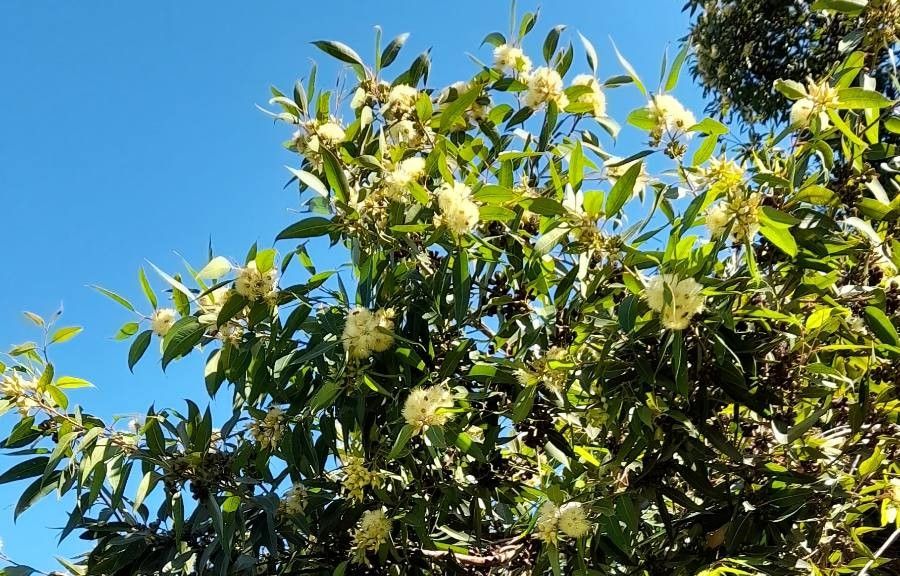
Hello there, fellow plant enthusiasts! It’s wonderful to have you join me today. I’m thrilled to chat about a tree that brings so much joy and versatility to any garden: Eucalyptus botryoides, often called Bangalay. Its glossy, teardrop-shaped leaves, with that lovely eucalyptus scent, make it a real stunner. And the best part? You can easily bring more of these beauties into your life by propagating them yourself!
Why Propagate Bangalay?
There’s a special kind of satisfaction that comes from nurturing a plant from a tiny cutting or seed into a thriving specimen. It’s a direct connection to the plant’s life cycle, and it’s incredibly rewarding. You’ll have more of these fragrant trees for your garden, or even to share with friends and family. For beginners? I’d say Eucalyptus botryoides is moderately easy to propagate. It’s not as foolproof as some succulents, but with a little care and attention, you can absolutely achieve success.
The Best Time to Start
When it comes to Bangalay, cuttings are best taken in late spring or early summer. This is when the plant is actively growing and has plenty of energy to put into developing roots. Look for new, semi-hardwood growth – stems that are flexible but not so soft they flop over. If you’re thinking about seeds, sowing them in early spring is usually the way to go for the best germination rates.
Supplies You’ll Need
Here’s a little kit to get you started:
- Sharp, clean pruning shears or a sharp knife: Essential for making clean cuts.
- Small pots or trays with drainage holes: About 4-6 inches are good for cuttings.
- A well-draining potting mix: I like to use a blend of perlite, coir, and a little bit of compost. You want something gritty that won’t hold too much moisture.
- Rooting hormone (optional but recommended): A powder or gel can significantly boost your success rate.
- Plastic bags or a propagation dome: To create a humid environment.
- Watering can or spray bottle: For gentle watering.
- Seed trays (if propagating from seed): Shallow trays work well.
- Gloves: Eucalyptus sap can be sticky!
Propagation Methods: Let’s Get Growing!
1. Stem Cuttings: My Favorite Approach
This is often the most reliable method for getting a Bangalay going quickly.
- Take your cuttings: Select healthy stems and make a clean cut just below a leaf node. A leaf node is where a leaf attaches to the stem. Aim for cuttings that are about 4-6 inches long. Remove the lower leaves, leaving just two to four at the top.
- Prepare the cutting: If you’re using rooting hormone, dip the cut end into the hormone. Make sure it’s coated well.
- Potting up: Fill your small pots with your prepared potting mix. Make a hole in the center with your finger or a pencil. Gently insert the cutting into the hole, making sure the base is well-supported by the soil. Gently firm the soil around the cutting.
- Create humidity: Water the soil gently. Then, cover the pot with a plastic bag or place it under a propagation dome. This keeps the humidity high, which is crucial for the cuttings while they develop roots. You can also poke a few small holes in the bag to allow for some air circulation.
- Placement: Place the pots in a bright spot but out of direct, harsh sunlight. A windowsill that gets good indirect light is perfect.
2. Seed Propagation: A Rewarding Journey
If you have access to fresh seeds, this is another wonderful way to go.
- Prepare the seeds: Eucalyptus seeds often benefit from a cold stratification period. Mix your seeds with a bit of damp sand or perlite in a sealed bag and pop it in the fridge for 2-4 weeks. This mimics winter conditions and can improve germination.
- Sowing: Fill your seed trays with a light seed-starting mix. Sprinkle the seeds thinly over the surface. You don’t need to bury them deeply; a very light dusting of soil or vermiculite is enough.
- Watering: Mist the surface gently with water until the soil is moist.
- Cover and place: Cover the tray with a clear lid or plastic wrap to maintain humidity. Place it in a warm location with bright, indirect light.
- Germination: Keep the soil consistently moist but not waterlogged. You should see tiny seedlings emerge within a few weeks.
The “Secret Sauce” (My Insider Tips)
- Don’t let the leaves touch the water: If you happen to be trying water propagation (though I find cuttings in soil more reliable for robust plants), ensure none of the leaves are submerged. Any leaves in the water will rot and can take your cutting down with them.
- Bottom heat is your friend: For cuttings, placing the pots on a heated propagation mat can dramatically speed up root development. It mimics the warmth of spring soil and encourages roots to form quickly. You can usually find these at garden centers or online.
- Gentle misting is key: When you water your cuttings, only mist the soil surface or use a very fine spray. You don’t want to blast the delicate cuttings or wash away any rooting hormone.
Aftercare & Troubleshooting
Once you see roots emerging from the drainage holes or the cutting starts to show new growth, it’s a sign of life! You can now slowly reduce the humidity by gradually opening the plastic bag or propagation dome over a few days. This helps the new plant acclimatize to normal air. Once they’re well-established, you can transplant them into individual pots with a slightly richer potting mix.
What if things go wrong? The most common issue is rot, which usually happens when the soil is too wet or there’s poor air circulation. If your cutting turns black and mushy, it’s a sign of rot, and sadly, it’s usually beyond saving. This is why a well-draining mix and that bit of airflow are so important!
A Little Patience Goes a Long Way
Propagating plants is a journey filled with learning and discovery. Not every cutting might make it, and that’s perfectly okay. Be patient with your Bangalay, give it the light and moisture it needs, and celebrate every little success. Before you know it, you’ll have a whole grove of these beautiful eucalyptus trees flourishing in your care. Happy gardening!
Resource:
https://identify.plantnet.org/k-world-flora/species/Eucalyptus%20botryoides%20Sm./data