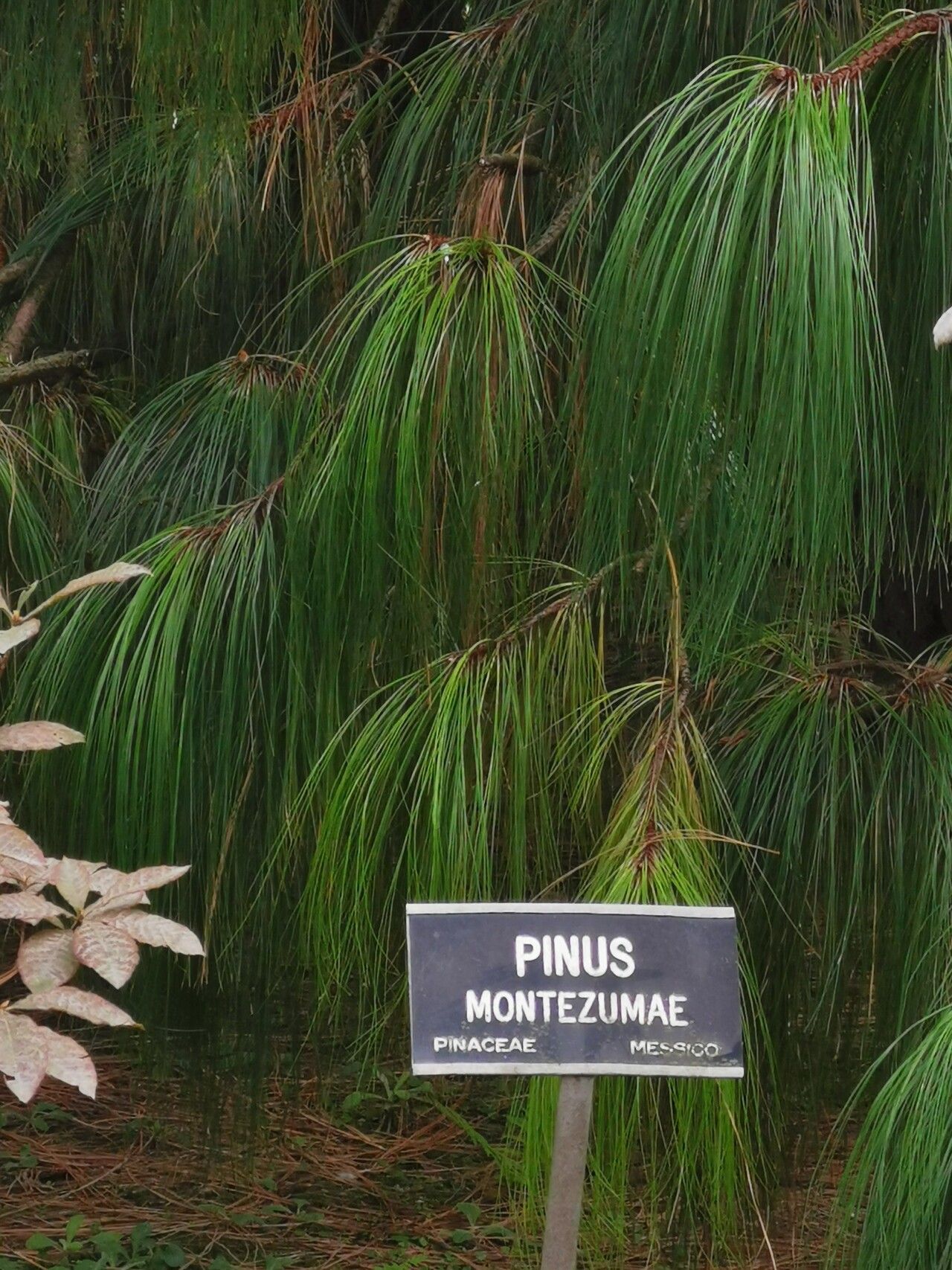
Oh, hello there! It’s so lovely to have you join me for a little garden chat. Today, we’re diving into the enchanting world of the Montezuma Pine, Pinus montezumae. If you’ve ever admired its graceful, cascading needles and its majestic presence, you’re in for a treat. Propagating these beauties from scratch is a deeply satisfying endeavor, and while it might seem a bit daunting at first, I promise, with a little guidance, you’ll feel much more confident.
The Allure of Pinus montezumae
The Montezuma Pine is truly a showstopper. Its long, soft, often dramatically drooping needles give it a distinctly subtropical and elegant feel. It’s a tree that evokes a sense of permanence and refined natural beauty. Growing your own from a tiny seedling or cutting is incredibly rewarding. You’re not just getting a plant; you’re nurturing a future giant, a testament to your green thumb. Now, when it comes to propagation, Pinus montezumae isn’t the absolute easiest for a complete beginner, but it’s definitely achievable with patience and the right approach. Don’t let that deter you – it’s a wonderful challenge!
When to Get Your Hands Dirty
For successful propagation of Pinus montezumae, mid-spring to early summer is your sweet spot. This is when the plant is actively putting on new growth, and those young, tender shoots are just begging to be taken. You’re looking for semi-hardwood cuttings, which are stems that are starting to toughen up but still have some flexibility. They’re not the brand-new, floppy tips, nor are they the completely woody, stiff branches of maturity. Think of a pencil – that’s about the ideal thickness.
Your Propagation Toolkit
Gathering the right tools will make your propagation journey so much smoother. Here’s what I always have on hand:
- Sharp, clean pruning shears or a sharp knife: Essential for making clean cuts. Sterilize them with rubbing alcohol to prevent disease.
- Rooting hormone powder or gel: This isn’t strictly mandatory but gives your cuttings a significant boost. Look for products containing IBA (indole-3-butyric acid).
- A well-draining potting mix: A good starting point is a 50/50 mix of coarse sand and peat moss or coir. You can also find specialized seed-starting or cactus/succulent mixes that work beautifully. Adding a bit of perlite or vermiculite will further improve aeration.
- Small pots or propagation trays: Clean containers, preferably with drainage holes, are key.
- A plastic bag or a humidity dome: To create a mini-greenhouse effect.
- A spray bottle: For misting.
- Labels and a waterproof marker: You’ll want to know what you planted and when!
Propagation Adventure: Stem Cuttings
The most reliable method for Pinus montezumae is stem cuttings. Growing them from seed is possible but can be quite slow and sometimes less predictable regarding the parent plant’s traits.
- Take Your Cuttings: In late spring or early summer, use your sterilized shears or knife to take cuttings that are about 4-6 inches long. Make the cut just below a leaf node (where a needle cluster emerges from the stem). Gently remove the lower needles, leaving the top few intact.
- Dip in Rooting Hormone: Moisten the cut end of the stem slightly, then dip it into the rooting hormone, tapping off any excess.
- Planting Time: Fill your small pots or trays with your prepared, well-draining potting mix. Make a hole in the center with your finger or a pencil. Gently insert the cut end of the cutting into the hole, pushing the soil around it to secure it. Ensure at least one leaf node is buried in the soil.
- Water and Cover: Water the soil gently but thoroughly until it’s evenly moist. Then, place the pot inside a clear plastic bag, sealing it with a twist tie or rubber band, or cover it with a propagation dome. This keeps the humidity high, which is crucial for preventing the cuttings from drying out before they develop roots.
My “Secret Sauce” for Success
Over the years, I’ve picked up a few tricks that really seem to make a difference.
- Bottom Heat is Your Friend: If you can, place your pots on a heating mat designed for plants. Pines, especially when rooting, appreciate a little warmth from below. It encourages root development and significantly speeds up the process.
- The “Snap Test” is Key: When you think your cuttings might be rooting (usually after several weeks, or even months), gently tug on one. If it resists and feels firm, you’ve got roots! If it pulls out easily, it hasn’t rooted yet. Don’t despair if it takes a while; patience is a gardener’s greatest virtue.
- Don’t Drown It! While humidity is vital, avoid waterlogged soil. Make sure your pots have good drainage, and only water when the top inch of soil feels dry to the touch. Too much moisture is a fast track to rot.
Nurturing Your New Pine & What to Watch For
Once you see signs of new growth – little buds or tiny needles forming at the top – it’s a good indication that roots have taken hold.
- Acclimation: Gradually introduce your new plant to open air over a week or two. Start by opening the plastic bag for a few hours each day, then completely remove the bag.
- Transplanting: When your new pine has a healthy root system (you can check by gently tipping it out of the pot to see the roots), you can transplant it into a slightly larger pot with a good quality potting mix.
- Troubleshooting: The most common problem you’ll encounter is rot, indicated by black, mushy stems or the cutting simply falling over. This is almost always due to overwatering or poor drainage. If you see this, there’s not much you can do, so learn from it and try again, focusing on drier conditions. Yellowing needles can sometimes indicate a lack of light or insufficient root development, but often with pines, it’s a sign of stress.
Bloom Where You’re Planted
There you have it! Propagating Pinus montezumae is a journey that requires a bit of patience and attention, but the reward of nurturing these magnificent trees from cuttings is truly special. Don’t be discouraged if your first few attempts don’t pan out perfectly. Each time you try, you’ll learn something new, and your connection to the plant world will deepen. So, grab your tools, enjoy the process, and celebrate every little sign of life. Happy gardening!
Resource:
https://identify.plantnet.org/k-world-flora/species/Pinus%20montezumae%20Lamb./data