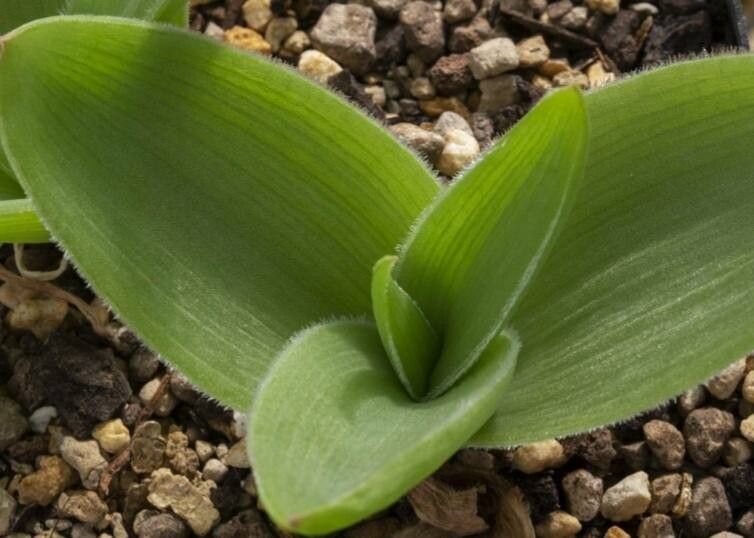
Hello, fellow plant lovers! If you’ve ever admired the charming rosettes of fuzzy, succulent leaves and the cheerful spikes of yellow or orange flowers that Bulbine latifolia offers, you’re in for a treat. This plant, often called Giant Bulbine or Stalked Bulbine, is a real gem – tough, beautiful, and surprisingly easy to multiply. Propagating it yourself is incredibly satisfying, and trust me, even if you’re just starting your plant journey, you can do this!
The Best Time to Start
My favorite time to propagate Bulbine latifolia is when the plant is actively growing, which is typically late spring through summer. The warmer weather and abundant sunlight give new cuttings or divisions the best chance to root quickly. You’ll notice your existing plant putting on new growth then, and that’s your cue!
Supplies You’ll Need
Before we get our hands dirty, let’s gather our essentials:
- Sharp, clean pruning shears or a knife: For making clean cuts.
- Potting mix: A well-draining blend is key. I usually mix equal parts of cactus/succulent mix with perlite or coarse sand.
- Pots or trays: Small pots or seed trays work well for cuttings.
- Rooting hormone (optional but helpful): This can give your cuttings a little boost.
- Watering can or spray bottle: For gentle watering.
- Gloves (optional): If you have sensitive skin.
Propagation Methods
Bulbine latifolia is quite generous and can be propagated in a couple of simple ways.
Stem Cuttings
This is my go-to method for Bulbine latifolia.
- Select a healthy stem: Look for a mature stem that isn’t flowering, ideally 4-6 inches long.
- Make the cut: Using your clean shears, cut the stem cleanly a little below a leaf node.
- Prepare the cutting: Gently remove the lower leaves. You want a bit of a “bare” stem to help it root. If you’re using rooting hormone, dip the cut end into it now.
- Let it callus: This is important! Place the cutting in a dry, well-lit spot for 2-3 days. This allows the cut end to dry over, forming a protective callus, which helps prevent rot.
- Plant the cutting: Fill a small pot with your well-draining soil. Make a small hole with your finger or a pencil and insert the callused end of the cutting. Firm the soil gently around it.
- Water lightly: Give it a gentle water. You don’t want to soak it, just moisten the soil.
Division
If your Bulbine latifolia is looking a little crowded or has formed clumps, division is a fantastic option.
- Gently remove the plant: Take the entire plant out of its pot. If it’s in the ground, carefully dig around it and lift it.
- Separate the clumps: You’ll likely see that the plant naturally divides into smaller sections, each with its own roots. Gently pull or tease these sections apart. If they’re really stuck, a clean knife can help.
- Prepare for replanting: You can leave the divided sections as they are or trim any overly long roots.
- Replant: Plant each division into its own pot or back into the garden, ensuring they have good drainage. Water them in well.
The “Secret Sauce” (Pro Tips)
Here are a few things I’ve learned over the years that make a real difference:
- Don’t overwater early on: This is probably the biggest killer of new cuttings. Let the soil dry out slightly between waterings, especially in the first few weeks. A slightly thirsty plant will be motivated to grow roots!
- Bottom heat is your friend: If you’re propagating in cooler weather, placing your pots on a seedling heat mat can significantly speed up rooting. It mimics the warmth that encourages roots to emerge.
- Watch for stress signals: If a cutting starts to look yellow or mushy, it’s likely getting too much water or has rotted. Don’t be afraid to discard it and try again. Sometimes, it’s just a learning curve!
Aftercare & Troubleshooting
Once you see signs of new growth – little leaves popping up from the base of your cutting or the divided plant looking perkier – you know roots are forming! Continue to water them when the soil feels dry to the touch. Gradually introduce them to more sunlight as they establish.
The most common problem you’ll encounter is rot. If your cutting turns black and mushy at the base, it’s usually a sign of too much moisture and not enough airflow. If this happens, you might need to discard the affected cutting and make sure your soil is even more free-draining for your next attempt.
A Encouraging Closing
Propagating plants is such a rewarding journey. It teaches you patience and deepens your connection to the plants you love. Bulbine latifolia is a forgiving plant, so don’t be discouraged if your first try isn’t perfect. Keep experimenting, keep nurturing, and soon you’ll have more of these delightful plants to enjoy and share! Happy growing!
Resource:
https://identify.plantnet.org/k-world-flora/species/Bulbine%20latifolia%20(L.f.)%20Spreng./data