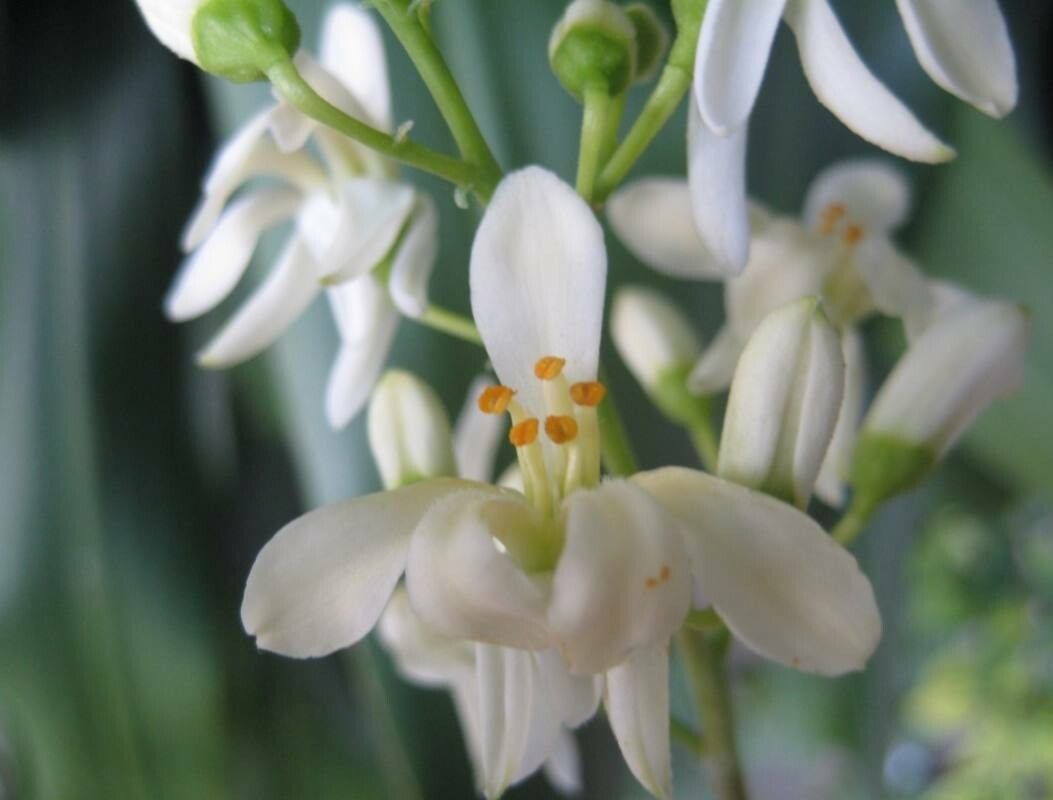
Hello fellow garden enthusiasts! I’ve got a real treat for you today. We’re going to talk about a plant that’s not only fascinating but also incredibly useful: Moringa drouhardii. You might know its cousin, Moringa oleifera, the “drumstick tree,” famous for its superfood leaves. Moringa drouhardii is a bit different – it’s a glorious succulent tree native to Madagascar, with a wonderfully gnarled trunk and fascinating, almost sculptural branches. It’s a fantastic addition to any succulent collection or even as a unique specimen for a dry garden.
There’s a special kind of joy in coaxing a new plant to life from a piece of an existing one. It connects you deeper to the plant’s cycle and, let’s be honest, it’s a wonderfully economical way to expand your green family. Now, about difficulty: for seasoned succulent growers, Moringa drouhardii is quite approachable. Beginners might find it a tad bit more challenging than, say, a succulent cutting that roots in a week, but with a little patience and these tips, you’ll do wonderfully.
The Best Time to Start
For the absolute highest success rate, you’ll want to propagate Moringa drouhardii during its active growing season. This means late spring through summer. The plant is actively producing energy and nutrients, which helps those cuttings develop roots more readily. Trying it in the dead of winter is like asking a grumpy bear to sing opera – it’s just not going to happen!
Supplies You’ll Need
Having the right tools makes all the difference. Here’s what I always have on hand:
- Sharp, clean pruning shears or a sharp knife: Essential for making clean cuts that heal well.
- Well-draining potting mix: A cactus and succulent mix is perfect. You can even amend it with extra perlite or pumice for even better drainage. Think “gritty.”
- Rooting hormone (optional but recommended): This can give your cuttings a nice boost. Look for one with IBA.
- Terracotta pots or containers: These breathe, which is excellent for succulents and helps prevent waterlogged soil.
- Perlite or coarse sand: For amending your soil mix.
- Watering can or spray bottle: For gentle watering.
- Small stakes or labels: To keep track of your cuttings if you’re doing multiples.
Propagation Methods
Moringa drouhardii is primarily propagated by stem cuttings. It’s your best bet for getting a good-sized plant relatively quickly.
Stem Cuttings:
- The Cut: On a healthy, mature Moringa drouhardii, select a stem that’s at least pencil-thick and has some growth. Using your sharp, clean shears, make a clean cut. Aim for a cutting that is at least 6-10 inches long. It’s a good idea to remove any leaves from the bottom half of the cutting.
- Callusing the Wound: This is crucial for succulents. Place your cuttings in a dry, shaded spot for several days to a week. You want that cut end to dry out and form a callus. This prevents rot when you plant it. It will look like a little dry scar.
- Planting: Once callused, dip the cut end into your rooting hormone (if using). Then, plant the callused end about 1-2 inches deep into your well-draining potting mix. You can plant more than one cutting per pot, just give them a little space.
- Initial Watering: Do not water immediately. Wait another couple of days after planting the callused cutting. Then, water lightly. You want the soil to be barely moist, not soggy.
Water Propagation (Less Common, Use with Caution):
While possible, water propagation for Moringa drouhardii can be a bit trickier due to the risk of rot. If you choose this method:
- Prepare your stem cutting as described above (cut, callus).
- Place the callused end in a jar or glass of clean water.
- Ensure no leaves are submerged in the water. Remove any leaves that would be below the waterline.
- Change the water every few days to keep it fresh.
- Once you see a decent root system developing, carefully transplant the cutting into potting mix, following the planting instructions for stem cuttings.
The “Secret Sauce” (Pro Tips)
Here are a few things I’ve learned over the years that really make a difference:
- Less is More with Water (Initially): Remember, these are succulents! Overwatering is the fastest way to ruin a cutting. Once planted, err on the side of dry. I usually wait until the soil is completely dry before watering again.
- Embrace Bottom Heat: If you can, placing your pots on a gentle heat mat can significantly speed up root development. It mimics the warmth of soil in its native habitat and gives those roots a real kickstart. Just make sure the mat is set to a low setting.
- Patience is a Virtue (Especially with Moringa): Moringa drouhardii isn’t the fastest rooter. Don’t panic if you don’t see growth within a few weeks. Gently tug on the cutting – if there’s resistance, you have roots!
Aftercare & Troubleshooting
Once your cuttings have developed a good root system (you’ll feel resistance when gently tugged, or might even see new leaf growth), you can start treating them more like a mature plant. Gradually increase watering, but always allow the soil to dry out between waterings. Move them to a spot with bright, indirect light, and then slowly acclimate them to more sun.
The most common issue you’ll face is rot. If your cutting looks mushy, smells foul, or collapses, it’s likely succumbed to rot. This is usually due to overwatering or not allowing the cutting to callus properly. If you catch it early on a stem cutting, you might be able to cut off the rotted part, let the fresh cut callus again, and try replanting.
A Encouraging Closing
Growing your own Moringa drouhardii is a truly rewarding journey. It requires a bit of patience and understanding of its needs, but the results are so worth it. Don’t be discouraged if your first attempt isn’t a runaway success. Every gardener has had their share of gardening mishaps! Just keep trying, enjoy the process of learning, and soon you’ll have your own beautiful, sculptural succulent trees to admire and share. Happy propagating!
Resource:
https://identify.plantnet.org/k-world-flora/species/Moringa%20drouhardii%20Jum./data