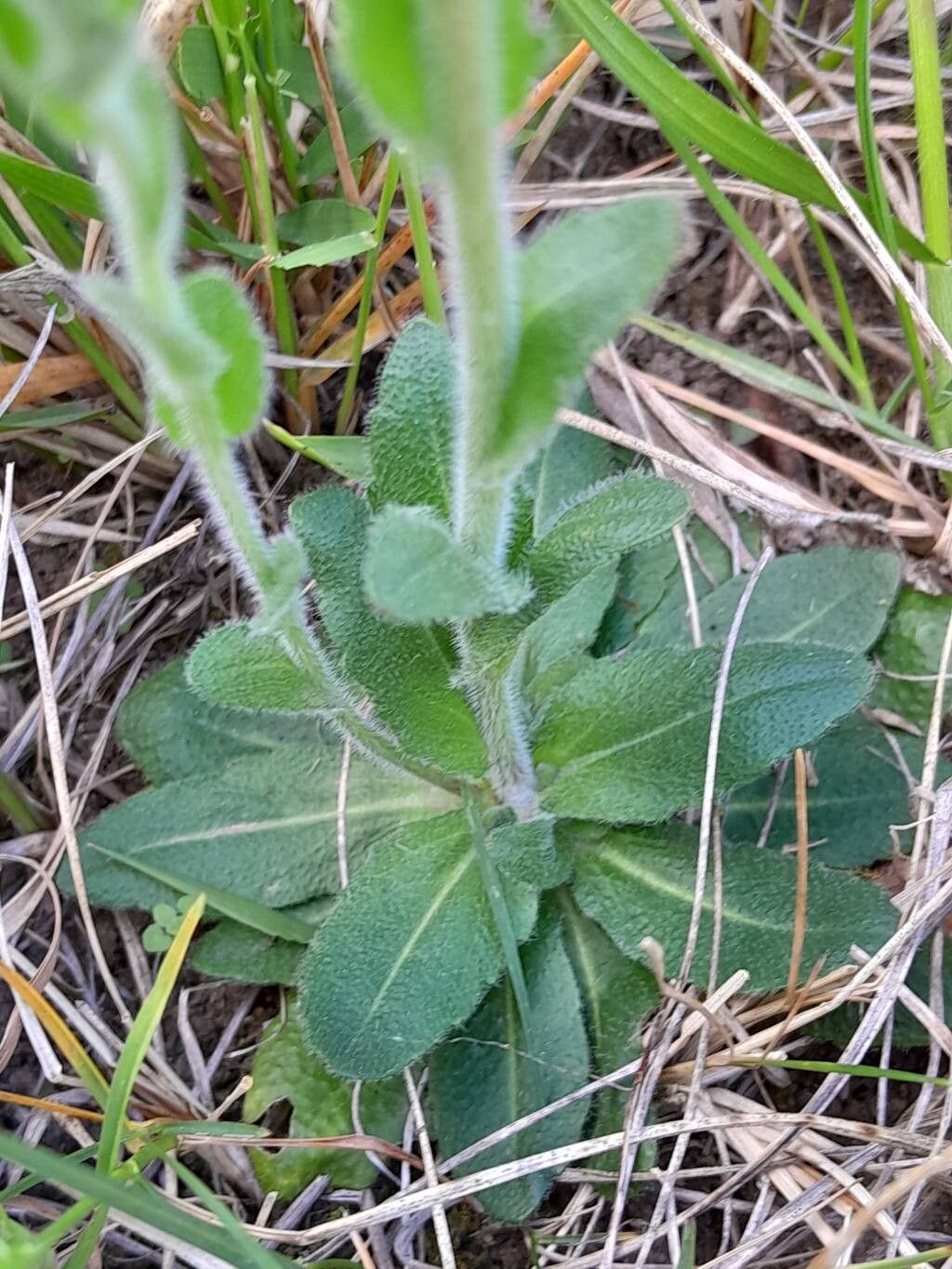
Hello, green thumbs! It’s wonderful to have you here. Today, we’re diving into the fascinating world of Arabis hirsuta, or Rock Cress. If you’re looking for a charming, low-growing perennial that spills beautifully over rocks and walls, and reliably returns year after year, you’re in for a treat. And the best part? You can easily grow more of your own! I’ve been nurturing these beauties for two decades, and propagating them is incredibly satisfying. If you’re new to the gardening game, don’t fret; Arabis hirsuta is quite forgiving, making it a wonderful plant to start your propagation journey with.
The Best Time to Start
For the highest success rates with Arabis hirsuta, I always reach for my secateurs in late spring or early summer. This is when the plant is actively growing, and new, semi-hardwood stems have developed. They have enough structure to withstand the propagation process but are still pliable enough to root readily. Avoid trying to propagate from very soft, fresh growth, as it tends to be too delicate.
Supplies You’ll Need
Gathering your supplies beforehand makes the whole process much smoother. Here’s what I typically have on hand:
- Sharp pruning shears or a clean knife: For taking clean cuttings.
- Rooting hormone (optional but recommended): A little boost can significantly improve success rates.
- Seed-starting mix or a well-draining potting mix: I prefer a mix that’s light and airy, often adding perlite or coarse sand.
- Small pots or seed trays: With drainage holes, of course!
- A misting bottle: For keeping cuttings hydrated.
- Clear plastic bags or a propagator lid: To create a humid environment.
- Labels and a permanent marker: To keep track of your efforts!
Propagation Methods: Stem Cuttings
This is my go-to method for Arabis hirsuta. It’s straightforward and yields excellent results.
- Take the Cuttings: Select healthy, non-flowering shoots. Using your sharp secateurs or knife, cut pieces about 3-4 inches long. Make the cut just below a leaf node (where a leaf meets the stem).
- Prepare the Cuttings: Gently remove the lower leaves from the bottom half of each cutting. This prevents them from rotting once planted. If the cutting has any flower buds, pinch those off as well.
- Apply Rooting Hormone: Dip the cut end of each prepared cutting into rooting hormone. Tap off any excess.
- Plant the Cuttings: Fill your pots or trays with your prepared, moistened potting mix. Make a hole with a pencil or skewer and gently insert the cutting, ensuring the leaf nodes are below the surface of the soil. Firm the soil gently around the base of the cutting.
- Create Humidity: Water the soil lightly. Then, cover the pots with a clear plastic bag or a propagator lid to maintain high humidity. You can use small stakes to keep the bag from touching the leaves.
- Find a Bright Spot: Place the pots in a bright location, but out of direct sunlight. A sunny windowsill that doesn’t get scorching afternoon sun is ideal.
The “Secret Sauce” (Pro Tips)
After years of tinkering, I’ve picked up a few tricks that make a real difference with delicate cuttings like these.
- Don’t Drown Your Cuttings: While humidity is key, avoid waterlogged soil. Soggy conditions are a fast track to rot. Ensure your pots drain well, and only water when the top inch of soil feels dry to the touch.
- Bottom Heat is Your Friend: If you have access to a heated propagator mat, use it! Gentle bottom heat encourages root formation significantly faster. Just aim for a consistent, mild warmth, not scorching heat.
- Cleanliness is Crucial: Always use clean tools and pots. Any lingering bacteria or fungi can easily infect your cuttings and lead to failure. A quick rinse with soapy water and thorough drying is usually sufficient.
Aftercare & Troubleshooting
Once your cuttings are planted, be patient! You’re looking for signs of new growth, which indicates root development. This can take anywhere from 3 to 6 weeks.
When you see little roots poking out of the drainage holes or new shoots making an appearance, it’s time to gradually acclimate them to normal humidity. Open the plastic bag or propagator lid for a few hours each day, slowly increasing the time until they are fully exposed. Water them gently when the topsoil feels dry.
The most common issue you’ll encounter is rot. If a cutting turns black and mushy, it’s best to remove it immediately to prevent it from spreading to others. This usually means conditions were too wet or not enough fresh air circulation.
A Word of Encouragement
Propagating plants is like magic! It’s so rewarding to take a piece of a plant you love and coax it into becoming a whole new one. Don’t be discouraged if your first attempts aren’t perfect. Gardening is a journey, and every attempt teaches you something valuable. Keep trying, enjoy the process, and soon you’ll have a whole garden full of Arabis hirsuta to admire! Happy growing!
Resource:
https://identify.plantnet.org/k-world-flora/species/Arabis%20hirsuta%20(L.)%20Scop./data