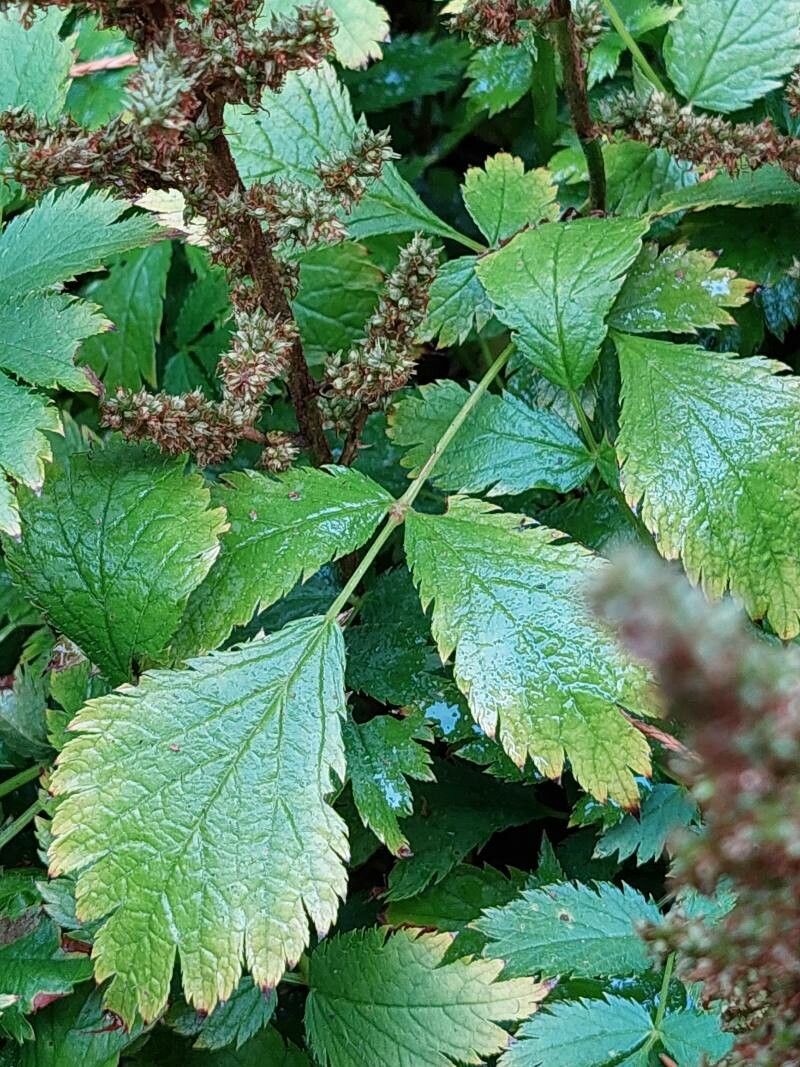
Hey there, fellow garden lovers! It’s so good to connect with you today. I’m excited to chat about one of my garden favorites: Astilbe. Those feathery plumes of color, like little clouds of pink, red, and white, just dance in the shade. They bring such a lovely softness to those often overlooked shady corners of our yards.
And you know what’s even better than admiring them? Growing more of them! Propagating Astilbe rubra is a really rewarding experience. You get to witness that magic of new life firsthand. Now, I know some plants can be a bit finicky to propagate, but Astilbe? I’d say it’s moderately easy, making it a fantastic project for most home gardeners. Don’t be intimidated; we’ll walk through it together.
The Best Time to Start
My personal favorite time to get my hands dirty with Astilbe propagation is in the spring. As soon as the soil is workable and the risk of hard frost has passed, that’s your green light. You want to catch them right as they’re waking up from their winter nap, full of vigor and ready to stretch. This early start gives them the whole growing season to establish themselves nicely.
Supplies You’ll Need
Don’t worry, you won’t need a fancy greenhouse for this! Here’s a simple list of what will make your propagation journey smoother:
- Sharp Pruning Shears or a Knife: For clean cuts.
- Well-Draining Potting Mix: A good blend of perlite and peat moss works wonders. I often use a mix tailored for perennials.
- Small Pots or Propagation Trays: Anything you have on hand that can hold the soil and the cuttings. Make sure they have drainage holes!
- Rooting Hormone (Optional but Recommended): A little boost can really help those roots form.
- Watering Can with a Fine Rose: To water gently.
- Plastic Bags or a Propagator Lid: To create a humid environment.
- Gloves: If you prefer to keep your hands clean!
Propagation Methods
While Astilbe can be a bit stubborn with stem cuttings if you’re not careful, division is where it truly shines for home gardeners. Let’s focus on that, as it’s the most reliable and simplest method for Astilbe rubra.
Division: Our Reliable Friend
This is the classic “split the difference” technique that works like a charm for Astilbe.
- Dig it Up Gently: In early spring, before new growth is too vigorous, carefully dig around the base of your established Astilbe plant. Aim to lift the entire root ball out of the ground. You want to be as gentle as possible to avoid damaging those precious roots.
- Inspect and Divide: Once the plant is out, gently shake off some of the excess soil. You’ll see that the plant naturally forms clumps. With your hands or a clean trowel, carefully break or cut the root ball into sections. Each section should have at least a couple of healthy buds or shoots and a good portion of the root system.
- Replant Immediately: Don’t leave those divisions sitting around! Immediately replant each division into its new home. You can plant them directly into the garden bed or into pots filled with your well-draining potting mix. Plant them at the same depth they were previously growing.
- Water Thoroughly: Give each new planting a good, deep watering. This helps settle the soil around the roots and reduces transplant shock.
The “Secret Sauce” (Pro Tips)
After years of coaxing plants to grow, I’ve picked up a few tricks that make all the difference.
- Don’t Be Afraid to Be Bold: When dividing, I’ve learned that Astilbe roots are surprisingly resilient. You can often pull the clumps apart with your hands if they’re not too dense. If they’re stubborn, a clean, sharp knife or a trowel will do the job. Just ensure your tool is sanitized to prevent any disease transfer.
- Give Them a Shade Hug: Newly divided Astilbe, and especially any that you attempt from cuttings (which is trickier for this plant), appreciate a little shade for their first few weeks. The intense sun can dry them out too quickly before their roots are established enough to cope. A spot that gets dappled light or early morning sun is perfect.
- The Power of Mulch: Once your divisions are planted, a nice layer of organic mulch around their base is your best friend. It helps retain moisture, suppresses weeds, and keeps those roots cool.
Aftercare & Troubleshooting
Once your divisions are tucked into their new spots, the key is to keep them consistently moist. Not waterlogged, but never allowed to dry out completely, especially during their first growing season. Keep an eye out for wilting, which is a sure sign they need a drink.
Troubleshooting? The most common issue you might see is rot. This usually happens if the soil is too wet or doesn’t drain well. If you notice mushy, dark stems or leaves that are yellowing and wilting without explanation, it’s often a sign of overwatering or poor drainage. In this case, you might need to gently dig them up, trim away any rotted parts with clean shears, and replant them in better-draining soil.
A Little Patience, A Lot of Reward
And there you have it! Propagating Astilbe rubra is a wonderful way to multiply those beauties. It takes a little effort, a bit of observation, and a dose of patience. But trust me, seeing those first feathery blooms on a plant you grew yourself is an incredibly satisfying feeling. So grab your trowel, get outside, and enjoy the process! Happy gardening!
Resource:
https://identify.plantnet.org/k-world-flora/species/Astilbe%20rubra%20Hook.f.%20&%20Thomson/data