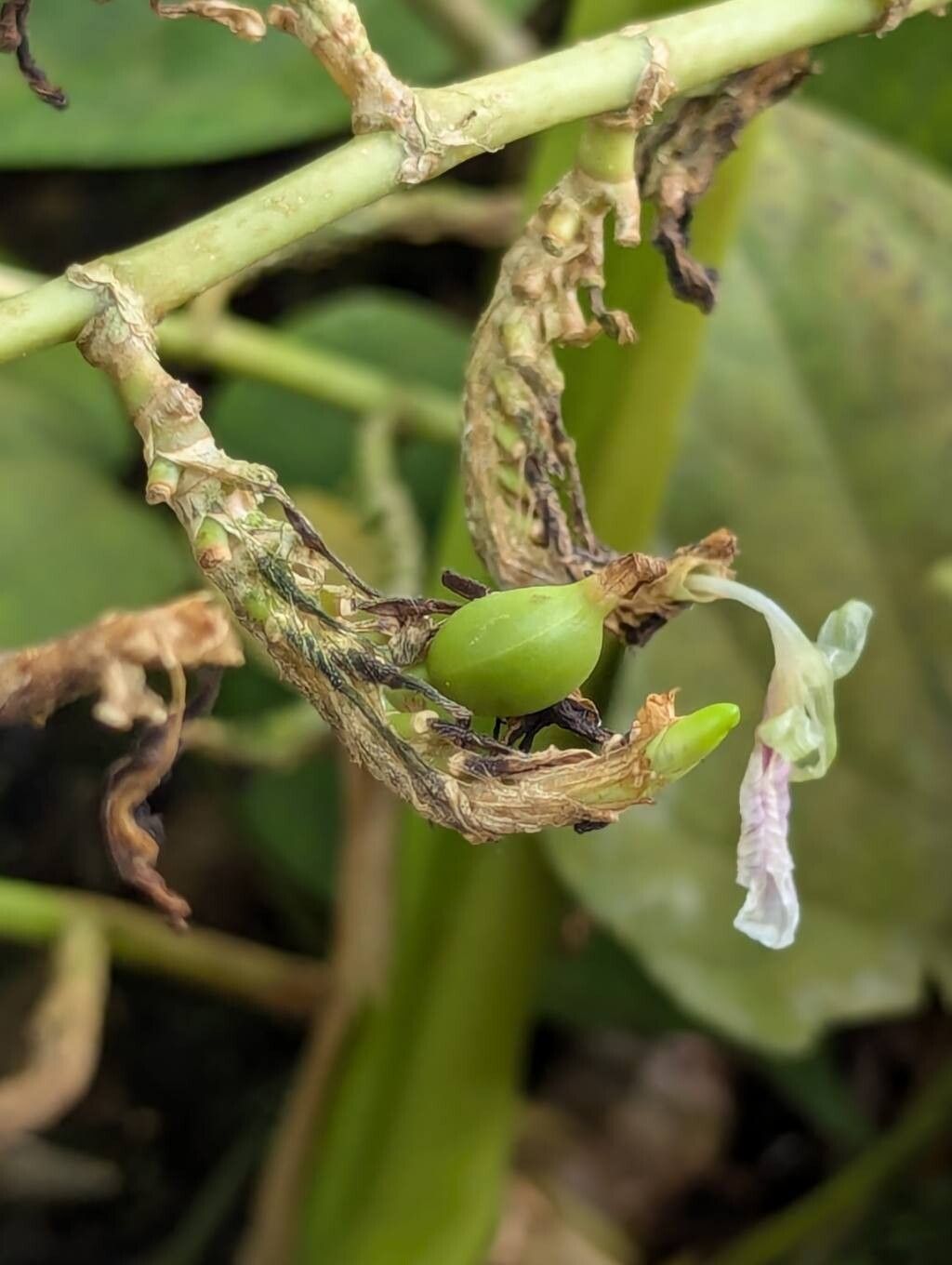
Oh, hello there! Come on in and pull up a chair. I’ve got my favorite mug warming my hands, and I’m so excited to chat with you about a plant that truly makes my heart sing: Elettaria cardamomum, or as many of us lovingly call it, cardamom.
Cardamom Dreams: Bringing the Spice Home
There’s something incredibly special about growing your own cardamom. It’s not just about the potential for those fragrant, edible seed pods (though, oh, the aroma!). It’s about nurturing a lush, tropical beauty right in your own space. Many people shy away from propagating plants they perceive as exotic, thinking it’s a challenge reserved for the seasoned pros. But honestly, with a little guidance and a dash of patience, bringing new cardamom plants to life is a genuinely rewarding endeavor, even for those just dipping their toes into the green world.
When to Plant the Seed (or Rhizome!)
The absolute best time to get your cardamom propagation project underway is in late spring or early summer. This is when the plant is bursting with growth, energized by warmer temperatures and longer daylight hours. Think of it as giving your new little ones the best possible start, with ample sunshine and warmth to encourage those roots to take hold.
Your Propagation Toolkit
Before we dig in, let’s make sure you have everything you need. Think of this as your gardener’s treasure chest:
- Sharp pruning shears or a clean, sharp knife: For making those crucial cuts.
- Well-draining potting mix: A blend of peat moss, perlite, and compost is ideal. You want something that holds moisture but doesn’t get waterlogged.
- Small pots or seedling trays: With drainage holes, of course!
- Rooting hormone (optional but helpful): Especially for stem cuttings. It gives them a little boost!
- A watering can with a fine spray: For gentle watering.
- Clear plastic bags or a propagation dome: To create a humid environment.
- A heat mat (highly recommended): For bottom warmth, which is a game-changer.
Bringing New Cardamom to Life
The most reliable way to propagate cardamom is through division. This method works best with mature, established plants that have begun to form clusters of new shoots from their rhizomes (those thick, underground stems).
- Gently Excavate: If your plant is in a pot, tip it carefully out. If it’s in the ground, dig around the base to loosen the entire clump.
- Inspect the Rhizomes: You’ll see thick, fleshy rhizomes spreading outwards, with shoots emerging from them. Look for sections of the rhizome that have at least one or two healthy-looking shoots and some visible roots already attached.
- Make the Cut: Using your sharp pruning shears or knife, carefully separate a piece of the rhizome that has shoots and roots. You’re essentially dividing the mother plant into smaller, independent units. Make a clean cut; a messy one can invite disease.
- Potting Up: Fill your new pots with your well-draining potting mix. Make a hole large enough for the root ball of your division.
- Plant with Care: Place the division into the hole, ensuring the rhizome is covered with soil and the shoots are pointing upwards. Firm the soil gently around the base.
- Water and Cover: Water thoroughly until water drains from the bottom. Then, place the pot inside a clear plastic bag or cover it with a propagation dome. This traps humidity, which is vital for new beginnings.
The “Secret Sauce” from My Garden
Now, here are a few little tricks I’ve learned over the years that really make a difference:
- Think Like a Tropical Plant: Cardamom absolutely loves humidity. That clear plastic bag isn’t just for show; it drastically increases the moisture around your new plant, mimicking its native environment. Give it a little peek every few days to allow for air circulation and check the soil moisture.
- The Magic of Bottom Heat: This is a big one! Placing your pots on a gentle heat mat can incredibly speed up root development. It mimics the warmth of the soil in its natural habitat. You don’t need it scorching hot, just consistently warm.
- Don’t Over-Water: While humidity is key, soggy soil is the enemy. Let the top inch of soil dry slightly between waterings. It’s a delicate balance, but crucial for preventing rot.
Nurturing Your New Growth
Once you start seeing new leaves unfurling, congratulations! You’re well on your way. At this stage, your young cardamom still needs that consistent humidity, so keep it covered. Gradually, as the plant becomes more established, you can start to acclimate it to lower humidity by opening the bag a little more each day over a week or two.
If you notice leaves turning yellow and mushy, or a foul smell from the soil, that’s usually a sign of overwatering and rot. Don’t despair! If caught early, you might be able to salvage the healthy parts, but sometimes, it’s just a learning experience. Patience is your best friend here.
Keep Growing!
Propagating cardamom is a journey, and like any good journey, it’s about enjoying the process. Don’t be discouraged if your first attempt isn’t perfect. Each new plant you nurture is a little triumph, a bit of green magic you’ve brought to life. So, roll up your sleeves, grab your tools, and get ready to watch new cardamom dreams take root. Happy gardening!
Resource:
https://identify.plantnet.org/k-world-flora/species/Elettaria%20cardamomum%20(L.)%20Maton/data