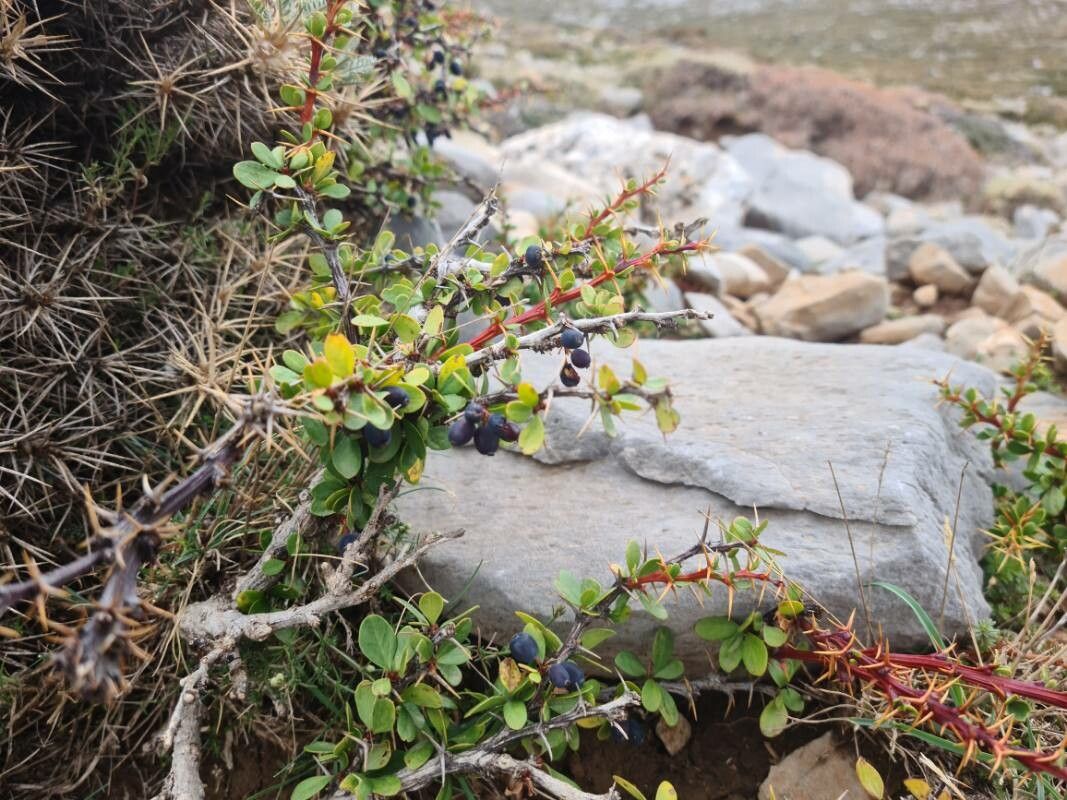
Hello fellow garden enthusiasts! Today, we’re diving into the wonderful world of propagating Berberis cretica. I’ve always found these little shrubs to be such charming additions to any garden. Their delicate, often blue-tinged foliage and cheerful spring blooms bring a subtle elegance. Growing them from scratch is incredibly rewarding, a true testament to the magic of nature, and thankfully, it’s a pretty approachable task, even for those newer to the propagation game.
The Best Time to Start
For the highest success rate with Berberis cretica, I find that mid-summer is your sweet spot. We’re talking about the period when the new growth has started to firm up a bit, but hasn’t fully hardened into tough, woody stems. Think of it as the plant’s youthful exuberance – still flexible and eager to root.
Supplies You’ll Need
To get your Berberis cretica off to a great start, gather these essentials:
- Sharp pruning shears or secateurs: Clean cuts are crucial.
- Rooting hormone (optional but recommended): This gives your cuttings a helpful boost.
- Potting mix: A blend of equal parts peat moss or coco coir and perlite works beautifully to ensure good drainage and aeration.
- Small pots or seedling trays: About 3-4 inches in size are perfect.
- Plastic bags or a propagator lid: To create a humid environment.
- Watering can or spray bottle: For gentle watering.
- Labels: To keep track of your efforts!
Propagation Methods
Here’s how you can successfully propagate Berberis cretica:
Stem Cuttings
- Take your cuttings: In mid-summer, select healthy, non-flowering stems from your parent plant. Aim for cuttings about 4-6 inches long.
- Prepare the cuttings: Using your sharp shears, make a clean cut just below a leaf node (where a leaf attaches to the stem). Remove the lower leaves, leaving just a couple at the top.
- Apply rooting hormone: If you’re using it, dip the cut end of each cutting into the rooting hormone powder, tapping off any excess.
- Plant your cuttings: Make small holes in your prepared potting mix and insert the cuttings, ensuring the leaf nodes are buried. Gently firm the soil around them.
- Provide humidity: Water the soil gently. Then, cover the pots with a plastic bag (making sure the leaves don’t touch the plastic) or place them in a propagator.
Division (for established plants)
If you have a more mature Berberis cretica that’s looking a bit crowded, division can be a great option.
- Dig up the plant: In early spring, before new growth really takes off, carefully dig up the entire clump.
- Separate the roots: Gently tease the root ball apart with your hands or use a fork or clean spade to divide it into sections. Make sure each section has a good amount of roots and some healthy shoots.
- Replant immediately: Get these divisions back into the ground or into pots with fresh potting mix right away. Water them thoroughly.
The “Secret Sauce” (Pro Tips)
- Cleanliness is paramount: Always use sterilized tools. A quick wipe with rubbing alcohol between cuts can prevent the spread of diseases.
- Bottom heat is your friend: While not strictly necessary, placing your pots on a heated propagator mat speeds up root development considerably. It mimics the warmth of spring soil and encourages those roots to form faster.
- Be patient with water propagation: If you opt for water propagation (though less common for Berberis), ensure no leaves are submerged. Any foliage below the waterline will rot quickly, potentially killing the entire cutting.
Aftercare & Troubleshooting
Once your cuttings have rooted (you can gently tug on them – if there’s resistance, they’ve rooted!), it’s time to let them grow. Gradually acclimate them to open air by removing the plastic bag or propagator lid a little more each day. Keep the soil consistently moist, but not soggy.
The most common sign of trouble is wilting and rot. This usually points to overwatering or poor drainage. If you see leaves turning black or mushy stems, it’s often a sign that the cutting has succumbed to rot. Don’t be discouraged! Sometimes, even with the best care, a few won’t make it.
A Encouraging Closing
Propagating Berberis cretica is a fantastic way to multiply your garden’s beauty. Remember that nature works at its own pace. Be patient with your new plants, observe them closely, and celebrate every little milestone. You’ve got this, and the joy of seeing your own Berberis grow from a single cutting is truly unmatched. Happy gardening!
Resource:
https://identify.plantnet.org/k-world-flora/species/Berberis%20cretica%20L./data