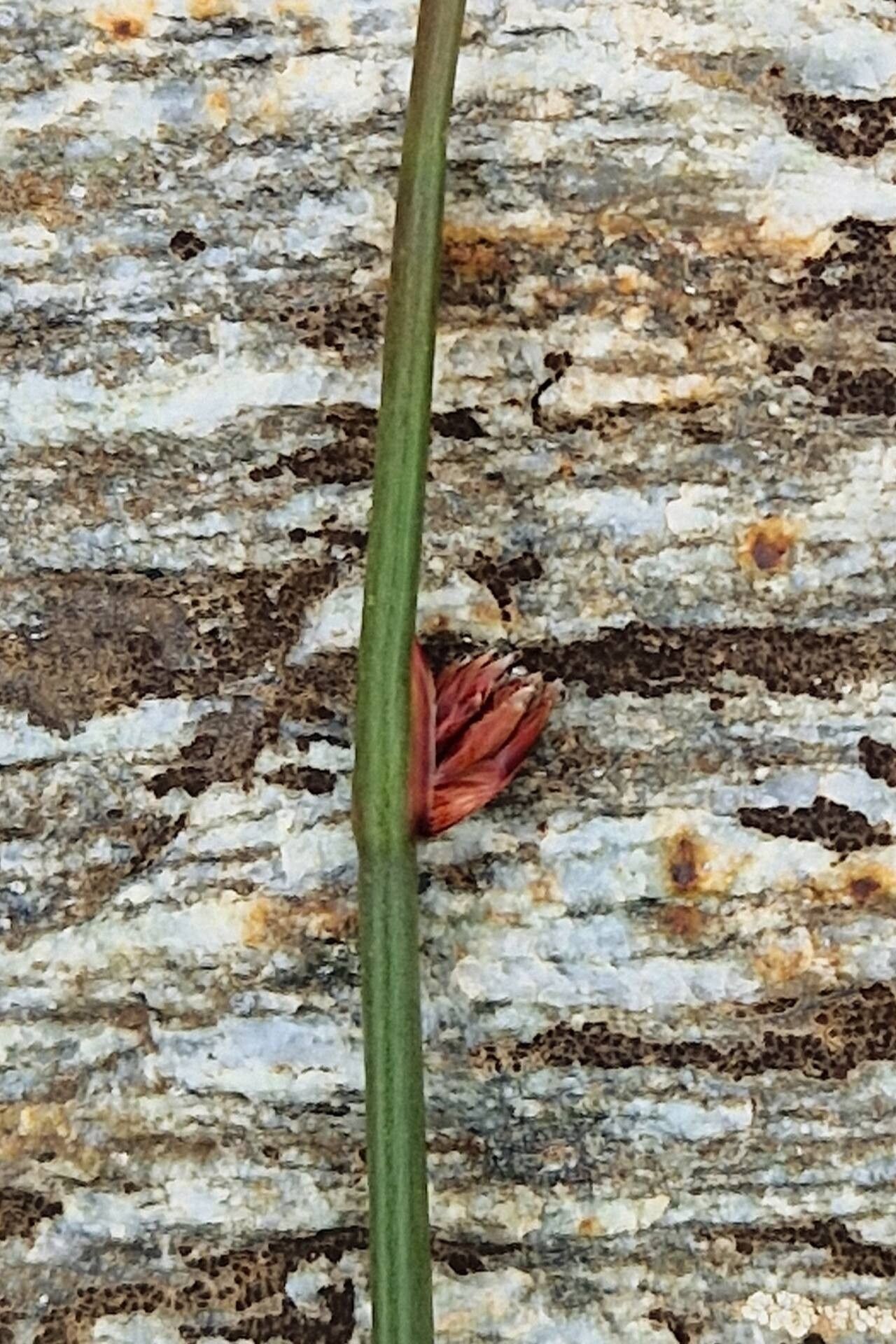
Oh, Juncus arcticus! I’m so glad you’re curious about this one. It’s one of those quiet achievers in the garden, isn’t it? That lovely, architectural presence, the way it catches the light, and its resilience – it’s truly special. Propagating it feels like a little bit of magic, and it’s a wonderfully rewarding way to get more of those gorgeous architectural grasses for your own space, or even to share with fellow garden enthusiasts.
For beginners, I’d say Juncus arcticus is a fairly forgiving plant to propagate. It’s not tricky, but like most things worth doing, a little attention to detail goes a long way.
The Best Time to Start
My favorite time to tackle Juncus propagation is in late spring or early summer. This is when the plant is really hitting its stride, actively growing new shoots. This vibrant energy translates beautifully into successful rooting. You’re working with a plant that’s eager to grow, and that’s always an advantage!
Supplies You’ll Need
Here’s what I always have on hand when I’m getting ready:
- Sharp Pruning Shears or a Knife: Cleanliness is key here, so a good soak in rubbing alcohol is a must before you start cutting.
- Good Quality Potting Mix: I like a well-draining mix. A blend of peat moss or coconut coir, perlite, and a little compost works wonders. You want it to hold moisture but not become waterlogged.
- Small Pots or Trays: Clean pots or propagation trays with drainage holes are essential.
- Rooting Hormone (Optional but Recommended): A little dip in rooting hormone can really give your cuttings a boost.
- Water: For a good mist and for watering.
- A Spray Bottle: For keeping things moist.
- Labels: Trust me, you will forget what you planted and when!
Propagation Methods
Juncus arcticus is most commonly and easily propagated by division. It’s wonderfully straightforward!
Division:
- Choose your plant: Select a healthy, mature Juncus clumps.
- Gently excavate: Carefully dig up the entire plant. You might need a spade if it’s well-established. If it’s in a pot, it’s even easier – just tip the pot out.
- Loosen the root ball: Gently shake off excess soil. You want to see the fleshy roots.
- Divide the clump: This is the fun part! You can often tease the root ball apart with your hands. If it’s very dense, you might need to use your sharp knife or spade to cut through it, making sure each division has a good amount of healthy roots and at least a few leafy shoots. Aim for divisions that are roughly fist-sized.
- Replant immediately: Get those divisions into their new homes or pots right away. Water them in well.
While division is my go-to, you can also try propagating clump cuttings, which is a bit more like division but you’re taking smaller pieces.
Clump Cuttings:
- Gather your cuttings: With your clean shears, cut off sections of the plant that include both roots and shoots. Think of it like taking smaller divisions. You want each piece to be about 3-4 inches long.
- Prepare the cuttings: Remove any lower leaves that might rot if buried. If the shoots are very long, you can trim them back a bit.
- Dip in rooting hormone: If you’re using it, dip the cut end of each cutting into rooting hormone.
- Plant your cuttings: Fill small pots with your well-draining potting mix and gently plant each cutting, about an inch deep. The shoots should be facing upwards, of course!
- Water gently: Water the soil thoroughly but avoid washing away the hormone.
The “Secret Sauce” (Pro Tips)
Now, for a couple of little insider tricks that have always helped me:
- Don’t be afraid to be firm with division: Sometimes, those root balls are packed tight! If your hands can’t separate them, a quick, clean cut with your spade or knife is perfectly fine. Just ensure each piece has decent roots.
- Mimic their natural habitat: Juncus loves moisture. When you’ve planted your divisions or cuttings, keep the soil consistently moist but not soggy. Once new growth appears, you know they’ve settled in.
Aftercare & Troubleshooting
Once your Juncus arcticus divisions or cuttings have been planted, give them a good, gentle watering. Keep the soil consistently moist for the first few weeks. You’ll know they’re happy when you start seeing fresh green shoots emerging.
The main thing to watch out for is rot. This is usually a sign of overwatering. If your cuttings look limp and mushy, or if the soil feels constantly waterlogged, you might need to ease up on the watering a bit and ensure your pots have good drainage. Yellowing leaves can also indicate overwatering or not enough light. If they look dry and crispy, they might need more water, but this is less common with division.
A Encouraging Closing
Remember, gardening is a journey, and propagation is part of that beautiful adventure. Be patient with your new Juncus plants. They might take a little time to show their full potential, but the reward of nurturing a new life from an existing one is immense. Enjoy the process, and happy planting!
Resource:
https://identify.plantnet.org/k-world-flora/species/Juncus%20arcticus%20Willd./data