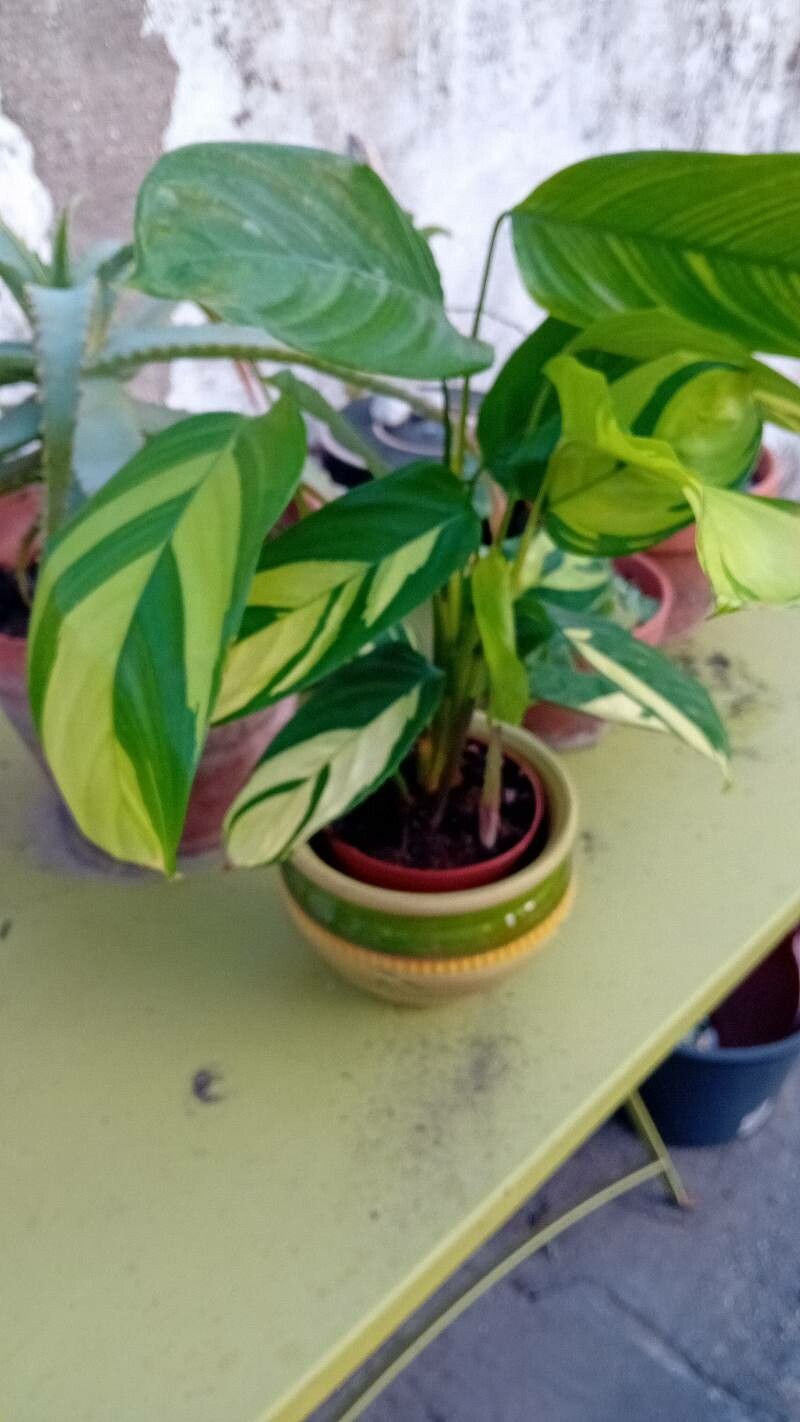
Oh, hello there! Pull up a chair and let’s chat about one of my absolute favorite plants – the Ctenanthe lubbersiana. You know, that beauty with the striking, variegated leaves that just seem to glow? It’s a plant that brings such a unique vertical interest and a touch of the tropics to any indoor space. And the best part? You can easily make more of them! Propagating this lovely plant is incredibly rewarding, and honestly, it’s not as daunting as it might seem. Even if you’ve only just dipped your toes into the world of plant parenting, you can absolutely succeed with this one.
The Best Time to Start
Timing is everything, as they say, and for Ctenanthe, the sweet spot is during its active growing season. Think late spring through summer. This is when the plant is really putting on new growth, full of energy, and will have the best chance of rooting successfully. Starting a new plant is like giving it a head start, and the warmer months provide that perfect boost.
Supplies You’ll Need
Gathering the right tools makes the whole process smoother. Here’s what I always have on hand:
- Sharp Pruning Shears or a Craft Knife: Clean cuts are crucial for healthy root development.
- Well-Draining Potting Mix: A good general houseplant mix is fine, but I often add a bit of perlite or orchid bark for extra aeration.
- Small Pots or Seedling Trays: Something for your new cuttings to grow into.
- Clear Plastic Bags or a Propagator: To create a humid environment for your cuttings.
- Rooting Hormone (Optional but Recommended): This little helper can significantly speed up root formation.
- Watering Can with a Fine Rose: For gentle watering.
- Patience! This is perhaps the most important tool.
Propagation Methods
Ctenanthe lubbersiana is most easily propagated by division or taking stem cuttings. I find both methods work wonderfully.
Stem Cuttings:
- Select a Healthy Stem: Look for a mature stem that has at least two or three leaves and is firmly attached to the main plant. Avoid very young, flimsy shoots.
- Make the Cut: Using your clean shears or knife, carefully cut the stem just below a leaf node. This is the little bump where a leaf attaches to the stem – it’s where the magic happens!
- Prepare the Cutting: Gently remove the lower leaves, leaving just one or two at the top. This prevents them from rotting once you place the cutting in its medium.
- Apply Rooting Hormone (Optional): If you’re using it, dip the cut end into the rooting hormone powder. Tap off any excess.
- Plant Your Cutting:
- In Potting Mix: Fill a small pot with your moist, well-draining mix. Make a small hole with your finger or a pencil. Insert the cutting, ensuring the leaf node is buried. Gently firm the soil around it. Lightly water.
- In Water: You can also place your cutting directly in a jar or glass of water. Make sure the leaf node is submerged, but don’t let the leaves themselves touch the water.
- Create Humidity: Cover the pot with a clear plastic bag, sealing it loosely with a rubber band. For water propagation, you can place the jar in a propagator or loosely cover the top with plastic wrap. Set it in a bright spot, but out of direct sunlight.
Division:
- Remove from Pot: Gently take your Ctenanthe out of its existing pot.
- Identify Sections: You’ll see distinct clumps or rhizomes. Look for areas where the plant is naturally dividing.
- Separate Carefully: Using your hands or a clean knife, gently pull or cut the plant into smaller sections, making sure each section has roots and at least a few stems.
- Repot: Pot each division into its own container with fresh, well-draining soil. Water them in.
The “Secret Sauce” (Pro Tips)
Here are a few little tricks I’ve learned over the years that often make all the difference:
- Bottom Heat is Your Friend: For stem cuttings placed in soil, putting the pot on a heating mat can dramatically speed up root development. Plants just love warm feet!
- “Water Cuttings” Need Flow: If you’re propagating in water, change the water every few days. Stagnant water can quickly lead to rot.
- Don’t Overcrowd Mum: When dividing, be brave! Resist the urge to keep one giant clump. Smaller divisions often recover and establish themselves more quickly than large, unwieldy ones.
Aftercare & Troubleshooting
Once your cuttings have developed a good root system – you’ll see roots emerging from the drainage holes of a potted cutting, or a tangle of roots in water – it’s time for them to move into their own slightly larger pot, if they aren’t already. Continue to keep them in bright, indirect light and maintain consistent moisture, but don’t let them sit in water.
The most common issue you might encounter is rot. This usually happens when the cuttings are kept too wet, or the air circulation is poor. If you see leaves turning yellow and mushy, or the stem becoming soft and black, it’s likely rot. In this case, it’s best to discard the affected cutting and ensure everything else is kept a bit drier and in a well-ventilated spot. Another sign of poor rooting is wilting that doesn’t perk up after watering, which can indicate the cutting isn’t developing roots.
Keep Growing!
Creating new plants is one of the most satisfying aspects of gardening. Don’t be discouraged if a cutting doesn’t take – it happens to the best of us! Just be patient, enjoy the process of watching new life emerge, and soon you’ll have a whole jungle of Ctenanthe lubbersiana to share. Happy propagating!
Resource: