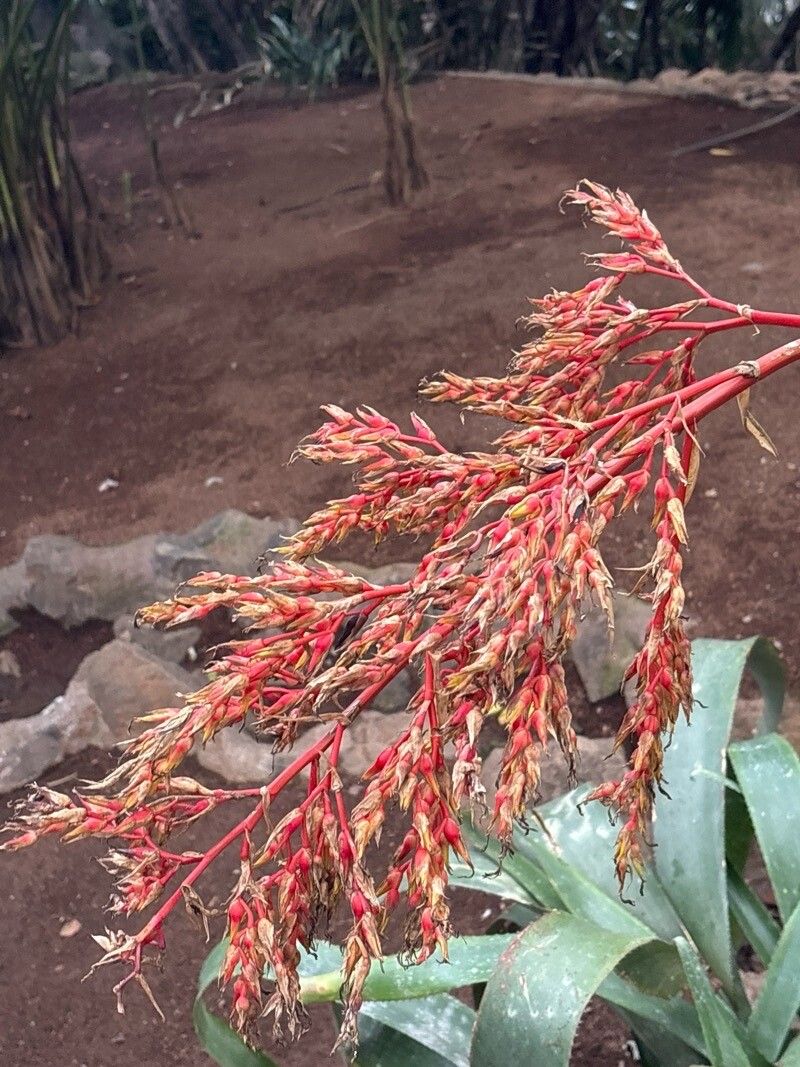
Hello, gardening friends! Today, we’re diving into the wonderful world of Bromeliads, specifically the stunning Billbergia magnifica. If you’ve ever seen this beauty gracing a plant shelf or a sun-drenched conservatory, you know its architectural form and vibrant colors are truly captivating. And the best part? You can easily multiply this gorgeous plant yourself! Propagating Billbergia magnifica is a truly rewarding experience, and I’m here to guide you through it. For beginners, I’d say it’s moderately easy – a little patience goes a long way, and I’ll share just what you need to know to ensure success.
The Best Time to Start
The absolute sweet spot for propagating Billbergia magnifica is spring or early summer. This is when the plant is in its most vigorous growth phase, meaning it has plenty of energy to put into developing new roots and shoots. You’ll often find that the young pups or offsets that naturally appear at the base of the mother plant are the perfect candidates to start with during this time.
Supplies You’ll Need
Gathering your tools beforehand makes the whole process smoother. Here’s what you’ll want on hand:
- Sharp pruning shears or a clean, sharp knife: For making clean cuts.
- Well-draining potting mix: A cactus and succulent mix is often ideal, or you can create your own by mixing equal parts peat moss, perlite, and coarse sand.
- Small pots or containers: Small nursery pots or even recycled yogurt cups with drainage holes work perfectly.
- Rooting hormone (optional, but recommended): This can give your cuttings a little boost.
- Plastic bag or propagation dome: To create a humid environment.
- Water: For misting and, if you choose, for water propagation.
Propagation Methods
Billbergia magnifica is primarily propagated through its pups or offsets. These are the little baby plants that emerge from the base of the mature plant.
Propagating Pups (Offsets):
- Inspect the Mother Plant: Look for pups that have started to develop their own leaves and are at least a few inches tall. The bigger the pup, the better its chances of survival.
- Gently Detach: Using your sharp pruning shears or knife, carefully cut the pup away from the mother plant. Try to get as much of the base of the pup as possible, including any tiny roots that might have already formed. If the pup is large and seems firmly attached, you might need to cut a small sliver of the mother plant’s rhizome (the underground stem) along with it.
- Allow to Callus: This is an important step! Place the detached pup on a dry surface in a well-lit spot, but out of direct sun, for a day or two. This allows the cut end to callus over, which helps prevent rot when you plant it.
- Potting Up: Fill your small pot with your well-draining potting mix. Make a small indentation in the center.
- Plant the Pup: Dip the callused end of the pup into rooting hormone (if using). Then, gently place the pup into the indentation in the pot and firm the soil around its base.
- Initial Watering: Water lightly to settle the soil. Don’t completely saturate it.
Water Propagation (for pups with a good base):
- Prepare the Pup: Follow steps 1 and 2 above for detaching the pup.
- Remove Lower Leaves: Gently peel off the lowest leaves to expose a bit of the stem or base.
- Place in Water: Find a clean jar or glass. Fill it with fresh water. Place the pup in the water, ensuring that the water level only covers the base/stem, and no leaves are submerged.
- Location: Place the jar in a bright spot, but again, avoid direct sun. Change the water every few days to keep it fresh.
- Root Development: You should start to see tiny white roots forming within a few weeks. Once the roots are about an inch long, it’s time to pot them up using method above.
The “Secret Sauce” (Pro Tips)
Here are a couple of things I’ve learned over the years that can really make a difference:
- Don’t Overwater New Pups! This is the biggest killer of new propagations. Bromeliads are adapted to store water, and their pups are no different. A slightly dry environment is much better than a soggy one when they’re trying to establish roots. Let the soil dry out a bit between waterings.
- Use Bottom Heat (if you can): Especially if your spring is still a bit cool, placing your pots on a gentle heat mat can significantly speed up root development. It mimics the warmth they’d get from the mother plant and encourages them to get growing.
Aftercare & Troubleshooting
Once your pup is potted, it enters a delicate phase. Keep it in bright, indirect light. A little misting every few days can be beneficial, especially if you’re not using a propagation dome. You’re looking for signs of new growth – new leaves emerging from the center – which indicates the plant has successfully rooted.
Common Signs of Failure:
- Rot: This is the most frequent problem, usually caused by overwatering or not allowing the cut end to callus. The pup will turn mushy and brown, starting from the base. If you see this, sadly, it’s usually too late for that particular pup.
- Wilting and Shriveling: This can happen if the pup is too dry, or if it’s not getting enough light. Check your watering schedule and light conditions.
A Encouraging Closing
Remember, gardening is a journey, and propagation is a beautiful way to share the joy of plants. Don’t be discouraged if your first attempt isn’t a roaring success. Each experience teaches you something new. Be patient, observe your little Billbergia magnifica pups, and enjoy the magic of watching them grow into their own magnificent selves! Happy propagating!
Resource:
https://identify.plantnet.org/k-world-flora/species/Billbergia%20magnifica%20Mez/data