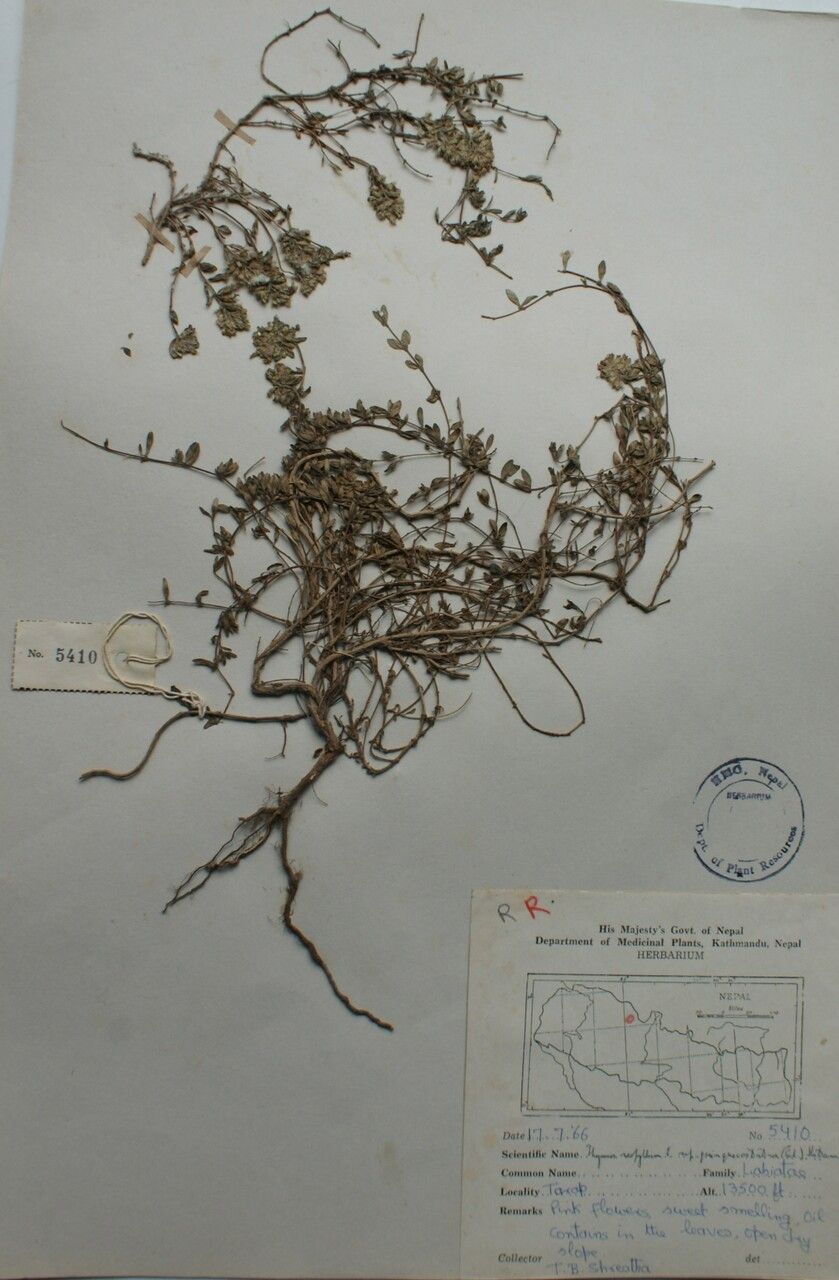
Oh, hello there! Grab your favorite mug, let’s chat about one of my absolute favorite little herbs: Thymus quinquecostatus, or as I affectionately call it, five-ribbed thyme. If you’ve ever had the pleasure of planting this beauty, you know its charm. The delicate, woody stems, the delightful little pink or white flowers that bees just adore, and that wonderful, subtle scent – it’s a real garden treasure.
Why You’ll Love Propagating Five-Ribbed Thyme
Now, you might be wondering if this is a project for the faint of heart. I’m happy to tell you that propagating Thymus quinquecostatus is generally quite beginner-friendly. It’s incredibly satisfying to take a small piece of your existing plant and turn it into a whole new one. It’s a way to multiply your garden joy, share with friends, or simply have more of this lovely herb to enjoy. Honestly, it’s one of those plants that just seems to thrive when you give it a little extra attention.
The Best Time to Start
For the absolute best success rates, I always recommend mid-spring to early summer. This is when the plant is actively growing and has plenty of energy to put into developing new roots. You want to catch it after the initial surge of spring growth but before the intense heat of midsummer really stresses things out.
Supplies You’ll Need
Gathering your supplies beforehand makes the whole process smoother, like setting up your kitchen before a big cooking project. Here’s what I usually have on hand:
- Sharp pruning shears or a clean, sharp knife: For neat, clean cuts.
- Small pots or trays: About 3-4 inches in diameter are perfect. Make sure they have good drainage holes.
- Well-draining potting mix: A blend of potting soil, perlite, and a little coarse sand works beautifully. You could also use a specialized seed starting mix.
- Rooting hormone (optional but recommended): This really gives cuttings a boost.
- Watering can with a fine rose attachment or a spray bottle: For gentle watering.
- Clear plastic bag or a propagator lid: To create a humid environment.
- Labels and a marker: To keep track of your precious new plants!
Propagation Methods: Let’s Get Our Hands Dirty!
The most reliable way to propagate Thymus quinquecostatus is through stem cuttings. It’s straightforward and yields great results.
Stem Cuttings:
- Take the Cuttings: Head out to your plant with your clean shears. Look for healthy, non-flowering stems. You want to select stems that are a bit woody at the base but still pliable at the tip – think of them as being in that “greenwood” stage. Snip off pieces that are about 4-6 inches long. Remove any lower leaves, leaving just a few at the very top.
- Prepare the Cuttings: If you’re using rooting hormone, dip the cut end of each stem into the powder. You don’t need a thick coating, just a light dusting.
- Plant the Cuttings: Fill your small pots with your prepared potting mix. Make a small hole in the center of each pot using your finger or a pencil. Gently insert the cut end of each thyme cutting into the hole, making sure the leaves aren’t buried. Firm the soil gently around the stem.
- Water Gently: Water the pots thoroughly but gently. You want the soil to be moist but not waterlogged.
- Create Humidity: This is where the magic happens! You can either place the pots inside a clear plastic bag (loosely tied or secured with a rubber band) or cover them with a propagator lid. This creates a mini-greenhouse effect, keeping the humidity high, which is crucial for encouraging root development.
- Placement: Find a bright spot for your pots, but avoid direct, harsh sunlight. A windowsill that gets bright, indirect light is ideal.
The “Secret Sauce” (Pro Tips)
Over the years, I’ve learned a few little tricks that seem to make all the difference.
- Bottom Heat is Your Friend: If you happen to have a small heating mat designed for seedlings, popping your pots on it can significantly speed up root formation. It mimics that lovely warmth you get from the soil in summer. Don’t go too hot, just a gentle warmth is perfect.
- Don’t Let Leaves Touch the Water: When watering, whether in pots or if you ever try water propagation (which is less common for woody herbs like thyme but can work for some), make sure the leaves don’t sit in standing water. This is a surefire way to invite rot.
- Patience is a Virtue (and a Gardener’s Tool): I know it’s tempting to peek constantly, but try to resist. Treat your cuttings with care, maintain consistent moisture, and give them time. Roots can take anywhere from 2 to 6 weeks to form.
Aftercare & Troubleshooting
Once you start seeing new growth or feel a gentle resistance when you lightly tug on a cutting, that’s a good sign roots are forming!
- Acclimate Slowly: Before removing the plastic bag or propagator lid completely, start by opening it for a few hours each day to let the cuttings get used to the drier air. Do this for a week or so.
- Watering: Continue to water them when the top inch of soil feels dry. They still appreciate consistent moisture, but again, avoid sogginess.
- Transplanting: Once your cuttings have a good root system – you might even see roots peeking out the bottom of the pot – they are ready to be transplanted into slightly larger pots or directly into your garden.
Of course, sometimes things don’t go as planned. The most common issue is rot. If you see your stems turning brown and mushy, it’s usually a sign of too much moisture and poor air circulation. Don’t be discouraged by this – it happens to all of us! It means you might need to adjust your watering or humidity levels for the next batch.
A Little Patience, and a Garden Full of Thyme
Propagating Thymus quinquecostatus is a rewarding journey. It’s about nurturing potential, and there’s a simple, quiet joy in watching these tiny cuttings transform into thriving plants. Be patient with yourself and with your new little herbs. Before you know it, you’ll have a whole patch of this fragrant beauty, ready to grace your kitchen and your garden. Happy propagating!
Resource:
https://identify.plantnet.org/k-world-flora/species/Thymus%20quinquecostatus%20Čelak./data