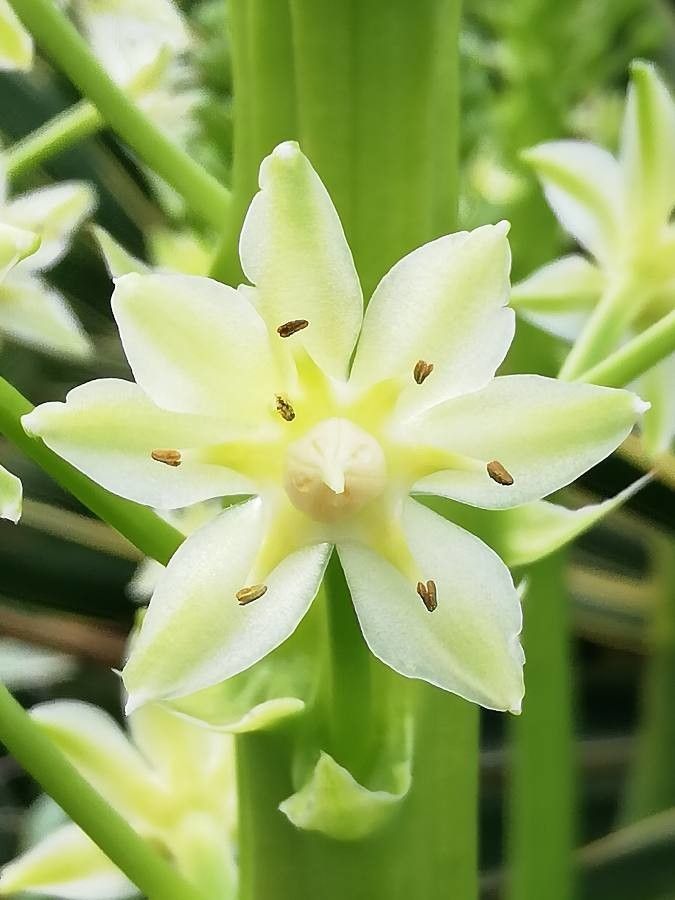
Hello there, fellow plant lovers! It’s so good to connect with you again. Today, I want to talk about a truly delightful bulb, one that brings a real whimsical charm to the garden: Eucomis montana. You might know it as the Pineapple Lily, and honestly, that name just barely does it justice. With its upright, spiky flower stalks crowned with a tuft of leafy bracts, it looks like something plucked right out of a fairy tale. Getting more of these beauties to grow is incredibly satisfying, and I’m here to show you just how you can do it!
Now, if you’re new to the plant propagation game, don’t fret. Eucomis montana are generally quite obliging when it comes to making new plants. It’s not one of those finicky divas that demand perfection. We’ll be focusing on a method that’s both effective and satisfying for most home gardeners.
The Best Time to Start
The sweet spot for propagating Eucomis montana is really about timing with their natural growth cycle. You’ll have the best luck starting this process in late spring to early summer, right after they’ve finished their main blooming period or are just starting to show new leaf growth. This is when they have plenty of stored energy to put into making new roots and shoots.
Supplies You’ll Need
Gathering your tools beforehand makes the whole process so much smoother. Here’s what I usually have on hand:
- Sharp, clean pruning shears or a small knife: For making clean cuts.
- A well-draining potting mix: I like a blend of equal parts perlite, peat moss, and compost. You can also find specialized bulb or cactus mixes that work beautifully.
- Small pots or trays: Clean ones, please! Anything from 3-inch pots to seedling trays will do.
- Rooting hormone powder (optional, but can give an extra boost).
- A spray bottle: For gentle misting.
- Waterproof labels and a pen: To keep track of what’s what!
Propagation Methods: Division is Key!
While you can sometimes get seeds from Eucomis, the most reliable and frankly, easiest, method for home gardeners is by dividing the bulbs. It’s like giving your existing plants a little haircut and getting new babies out of the deal!
Here’s how we’ll do it:
- Gently Excavate: When the time is right (late spring/early summer), carefully dig around an established Eucomis montana plant. I like to use a trowel and gently loosen the soil, working outwards from the bulb. Don’t yank it straight up! You want to expose the root ball and the bulb cluster.
- Clean and Inspect: Once you’ve got the bulb cluster out, gently brush away as much of the old soil as you can. You’re looking for the main bulb and any smaller offsets, or bulblets, that have formed at its base. These are your potential new plants.
- The Gentle Separation: This is the most crucial step! You’ll see where the baby bulblets are attached to the parent bulb. Use your fingers or a clean, sharp knife to carefully twist or cut them away. Try to make sure each bulblet has at least a small piece of basal plate (where the roots emerge from). Don’t worry if a few tiny roots come along for the ride – that’s a good thing!
- Let Them Callus: Here’s a small but important step: after you’ve separated the bulblets, let them sit in a dry, airy spot for a day or two. This allows the cut surfaces to dry out and form a protective callus. This helps prevent rot when you plant them.
- Potting Up: Now it’s time to plant! Fill your small pots with your well-draining mix. You can plant the bulblets just barely covered – about half an inch deep is plenty. Some people like to plant them so the very top of the bulblet is just peeking out.
- Watering In: Give the newly potted bulblets a gentle watering to settle the soil.
The “Secret Sauce” (Pro Tips)
Over the years, I’ve learned a few little tricks that I think really help things along.
- Burying Them Lightly: For Eucomis montana bulblets, don’t bury them too deep. They appreciate a bit of warmth and light reaching their developing crowns. Just a light covering of soil is perfect.
- A Warm Welcome: Eucomis love a bit of warmth. If you’re propagating in a cooler spring, placing your pots on a heated propagator mat can significantly speed up root development. It’s like giving them a toasty bed!
- Don’t Overwater – Ever! This is probably the number one mistake people make with bulbs. Let the soil dry out slightly between waterings. It’s better to underwater a bit than to have them sitting in soggy soil, which is a fast track to rot.
Aftercare & Troubleshooting
Once your bulblets are planted, find them a spot with bright, indirect light. You don’t want them baking in harsh afternoon sun just yet.
Keep the soil lightly moist – not soggy. A good way to check is to feel the top inch of the soil. If it feels dry, it’s time for a gentle watering.
You should start seeing signs of new growth – a little shoot or even tiny roots poking through the drainage holes – within a few weeks to a couple of months. Be patient!
What if something goes wrong? The most common issue is rot. If you notice a bulblet turning mushy and brown, it’s likely succumbed to rot. This is usually due to overwatering or not letting the cuts callus properly. If you see rot, remove the affected piece immediately to prevent it from spreading. Sometimes, you might see a bulblet just shrivel up and not do much. This can happen – some are just weaker than others. Don’t be discouraged; you might have other successes!
A Cozy Closing
There you have it! Propagating Eucomis montana through division is a wonderful way to expand your collection and share these unique beauties with friends. Remember, gardening is all about observation and patience. Enjoy the process, celebrate every little sprout, and don’t be afraid to get your hands dirty. Happy growing!
Resource:
https://identify.plantnet.org/k-world-flora/species/Eucomis%20montana%20Compton/data