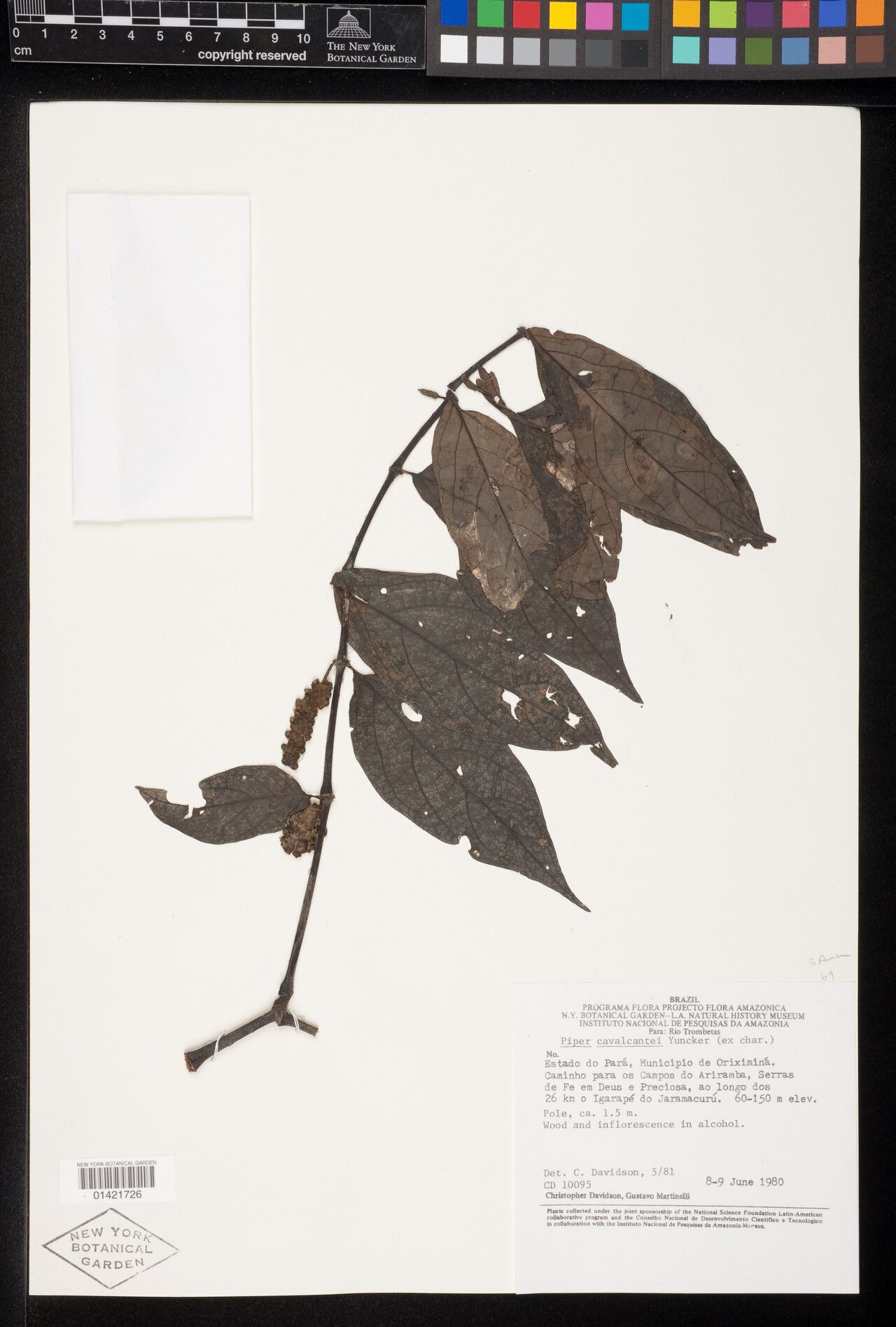
Hello, fellow plant lovers! Let’s talk about a plant that’s been capturing hearts with its lush foliage and subtle charm: Piper cavalcantei. If you’ve admired its beautiful, velvety leaves and thought, “I wish I had more of those!”, then you’re in the right place. Propagating this gem is a wonderfully rewarding way to expand your collection, and I’m here to walk you through it. Don’t worry, while it requires a little attention, it’s definitely achievable, even for those of you just dipping your toes into the world of propagation.
The Best Time to Start
Timing is everything in the garden, and for Piper cavalcantei, the sweet spot is generally during its active growing season. Think late spring through summer. This is when the plant is putting on new growth, full of vigor, and far more likely to root successfully. Trying to propagate when the plant is dormant or stressed is a recipe for disappointment. I always aim for a time when I can provide consistent warmth and light, which really gives those new cuttings the best chance.
Supplies You’ll Need
Gathering your tools before you begin makes the whole process smoother. Here’s what I like to have on hand:
- Sharp, clean pruning shears or a sharp knife: For making clean cuts. Sterilize them with rubbing alcohol between uses!
- A well-draining potting mix: I often use a mix of perlite, peat moss, and a bit of standard potting soil. A cactus/succulent mix can also work well.
- Small pots or propagation trays: With drainage holes, of course.
- Rooting hormone (optional, but recommended): This really gives cuttings a boost. Look for one with IBA.
- A clear plastic bag or a humidity dome: To create a mini-greenhouse effect.
- A spray bottle: For misting.
- Dibber or pencil: To make planting holes.
Propagation Methods
Piper cavalcantei is a joy to propagate, and stem cuttings are my go-to method. They’re straightforward and highly effective.
Stem Cuttings:
- Select a healthy stem: Look for a mature, non-flowering stem that has at least two sets of leaves. About 4-6 inches long is usually a good size.
- Make your cut: Using your clean shears or knife, make a clean cut just below a leaf node. This is crucial because that’s where the magic (roots!) happens.
- Prepare the cutting: Gently remove the lower leaves, leaving just one or two at the top. This prevents them from rotting in the soil and reduces moisture loss. If the upper leaves are very large, you can even cut them in half.
- Apply rooting hormone: Dip the cut end into your rooting hormone, tapping off any excess.
- Plant the cutting: Make a hole in your prepared potting mix with a dibber or pencil. Gently insert the cutting into the hole, ensuring the node is buried. Firm the soil around it.
- Water gently: Water the pot lightly to settle the soil.
- Create a humid environment: Cover the pot with a clear plastic bag (supported by stakes or chopsticks so it doesn’t touch the leaves) or place it under a humidity dome. This traps moisture and encourages rooting.
Water Propagation (Alternative Method):
If you’re feeling adventurous or prefer to watch the roots develop, water propagation is an option!
- Follow steps 1-3 for stem cuttings.
- Place the cutting in water: Put the prepared cutting into a clear glass or jar filled with fresh water. Make sure no leaves are submerged in the water. Only the cut stem should be in contact with the water.
- Change water regularly: Change the water every few days to keep it fresh and prevent bacterial growth.
- Wait for roots: You should start to see tiny roots developing in a few weeks. Once the roots are about an inch long, you can transplant them into potting mix.
The “Secret Sauce” (Pro Tips)
Here are a few things I’ve learned over the years that can make a real difference:
- Don’t overwater the soil for cuttings: While they need moisture, soggy soil is the enemy of rooting. Let the top inch of the mix dry out slightly between waterings.
- Bottom heat is your friend: Piper cavalcantei loves warmth. Placing your pots on a seedling heat mat can significantly speed up root development. It mimics the cozy conditions of spring.
- Observe closely, but don’t fuss too much: It’s tempting to constantly check for roots, but try to resist. Overhandling can damage delicate new roots. Trust the process and let them do their thing.
Aftercare & Troubleshooting
Once you see signs of new growth – tiny leaves unfurling or the cutting resisting a gentle tug – it’s a good indicator that roots have formed! Slowly acclimate your new plant to less humid conditions by gradually opening the plastic bag or dome over a week or two. Continue to water when the top inch of soil feels dry.
The most common issue you might encounter is rot. This usually happens when the cuttings are kept too wet, or if the soil isn’t draining well. If you notice a cutting turning mushy or black, it’s likely rotted. Sadly, these are usually casualties we can’t save. The best thing to do is discard the rotted cutting and soil, and start again, perhaps adjusting your watering or soil mix.
A Little Patience, A Lot of Joy
There you have it! Propagating Piper cavalcantei is a hands-on way to connect with your plants and reward yourself with new life. It might take a bit of patience, but seeing those first roots emerge and then a tiny new plant greet you is incredibly satisfying. So, grab your shears, get your hands dirty, and enjoy the journey. Happy propagating!
Resource:
https://identify.plantnet.org/k-world-flora/species/Piper%20cavalcantei%20Yunck./data