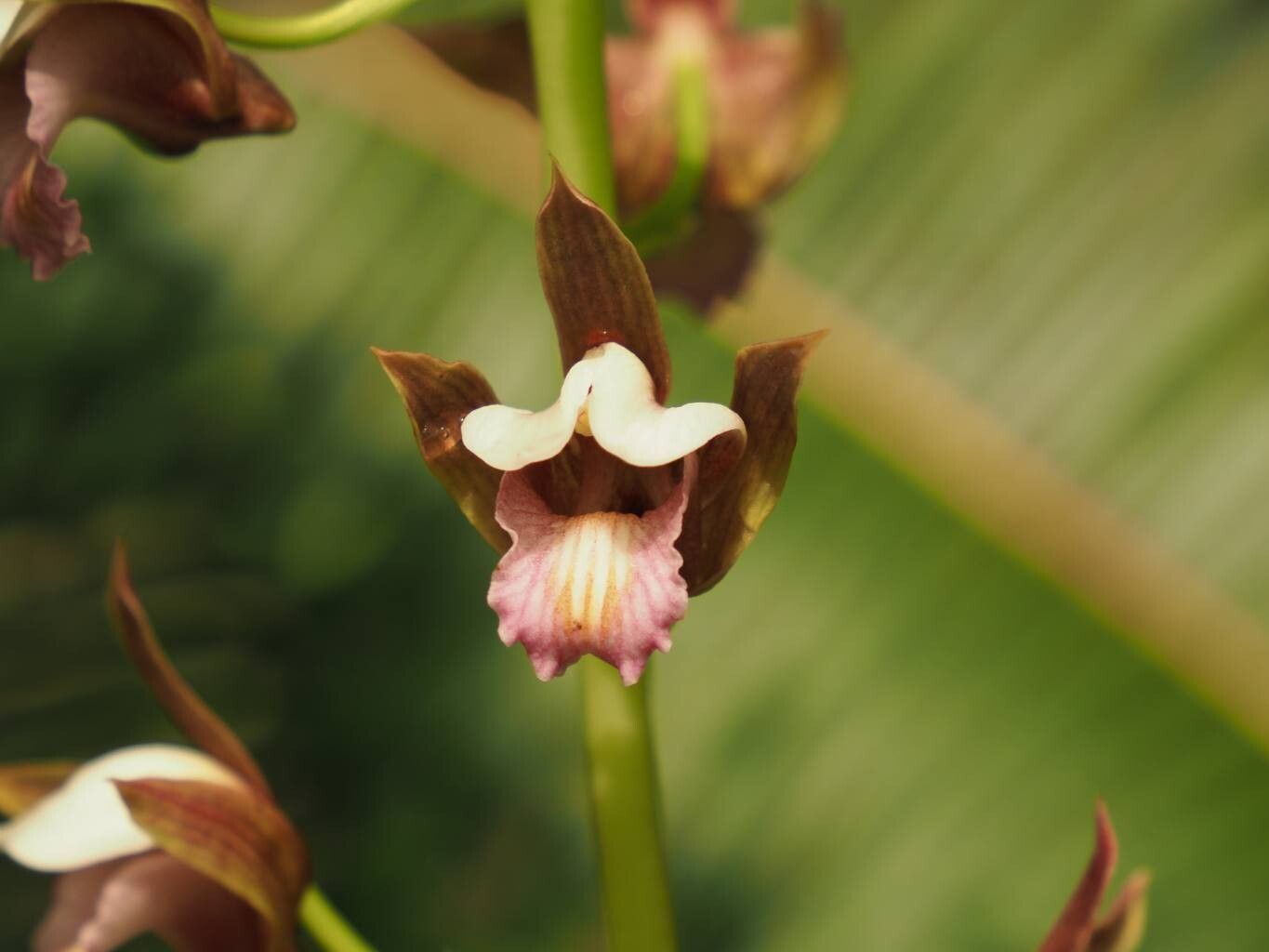
Hello fellow plant lovers! Today, we’re diving into the wonderful world of Eulophia alta, often called the Tall Eulophia. These beauties are really something special in the garden. Their striking blooms and impressive height bring a touch of the exotic to any space. And the best part? You can easily multiply this joy by propagating them! It’s a truly rewarding process, like watching a tiny promise bloom into a whole new plant. While Eulophia alta might seem a bit advanced, propagating it is actually quite manageable once you know a few tricks.
The Best Time to Start
Generally, the perfect time to think about propagating Eulophia alta is after flowering, usually in late spring or early summer. This is when the plant is entering its active growth phase. You’ll see new shoots or pups emerging, which are prime candidates for propagation. Avoid doing this when the plant is dormant or during extreme heat; you want the plant to have good energy reserves to bounce back.
Supplies You’ll Need
Here’s what you’ll want to have on hand:
- Sharp, sterilized pruning shears or a clean knife: For making neat cuts.
- Rooting hormone (optional but helpful): A powder or gel can give cuttings a boost.
- Well-draining potting mix: A good blend of orchid bark, perlite, and a bit of peat moss works wonders. You want excellent aeration!
- Small pots or containers: About 4-6 inches in diameter are usually sufficient for new propagations.
- Watering can with a fine rose: For gentle watering.
- Labels and a marker: To keep track of what you’ve propagated and when.
- Gloves (optional): If you prefer to keep your hands clean.
Propagation Methods: Division is Key!
For Eulophia alta, the most successful and straightforward method is division. This plant naturally forms clumps, and these clumps can be carefully separated into smaller, independent plants.
- Gently unpot the parent plant. Try to do this on a dry day so the soil isn’t too heavy. You want to be able to see the root structure clearly.
- Inspect the plant for new shoots or ‘pups’. These are mini versions of the parent plant, usually emerging from the base. You’ll want to see if they have their own developing root system.
- Carefully separate the divisions. Using your sterilized shears or knife, cut through the rhizome or root structure to separate a pup from the mother plant. Aim for divisions that have at least a couple of healthy pseudobulbs and emerging roots. If a pup doesn’t have visible roots yet, don’t worry too much, just ensure it has good pseudobulbs to draw from.
- Allow the cut surfaces to ‘callus over’. This is crucial! Let the divided pieces sit out in a dry, well-ventilated spot for a day or two. This helps prevent rot when you replant them.
- Pot up the new divisions. Plant each division in its own pot filled with your well-draining potting mix. Plant them at the same depth they were growing originally.
- Water sparingly. Don’t drench them initially. A light watering is best to settle the potting mix.
The “Secret Sauce” (Pro Tips)
Here are a couple of things I’ve learned over the years that really make a difference:
- Think like a forest floor: Eulophia alta loves good airflow and a mix that doesn’t hold too much moisture. Your potting medium should drain like a sieve – almost like you’re planting it in loose gravel, but with a touch of organic matter. This is the number one reason why propagations fail – soggy roots!
- Don’t rush the roots: When you’re dividing, sometimes a pup might not have obvious roots. That’s okay! As long as it has healthy pseudobulbs and you’ve allowed the cut to callus, it will develop roots in its new pot. Just be patient and resist the urge to constantly check for them. Let it settle in.
Aftercare & Troubleshooting
Once your divisions are potted, give them a light watering and place them in a brightly lit spot, but away from direct, harsh sunlight. You want them to feel comfortable and start establishing themselves.
The most common issue you’ll encounter is rot, which is usually a result of overwatering or poor drainage. If you notice a division turning mushy, yellowing drastically, or smelling funky, it’s likely succumbing to rot. In this case, gently unpot it, trim away any affected mushy parts with your sterile shears, and let the remaining healthy bits dry out thoroughly before repotting in fresh, dry mix. Sometimes, you have to learn to let go of a struggling piece and focus on the healthy ones.
Enjoy the Journey!
Propagating Eulophia alta is a wonderful way to expand your collection and share these stunning plants. Be patient, observe your new plants, and trust your gardening instincts. Every successful propagation is a little victory, and the process itself is incredibly rewarding. Happy growing!
Resource:
https://identify.plantnet.org/k-world-flora/species/Eulophia%20alta%20(L.)%20Fawc.%20&%20Rendle/data