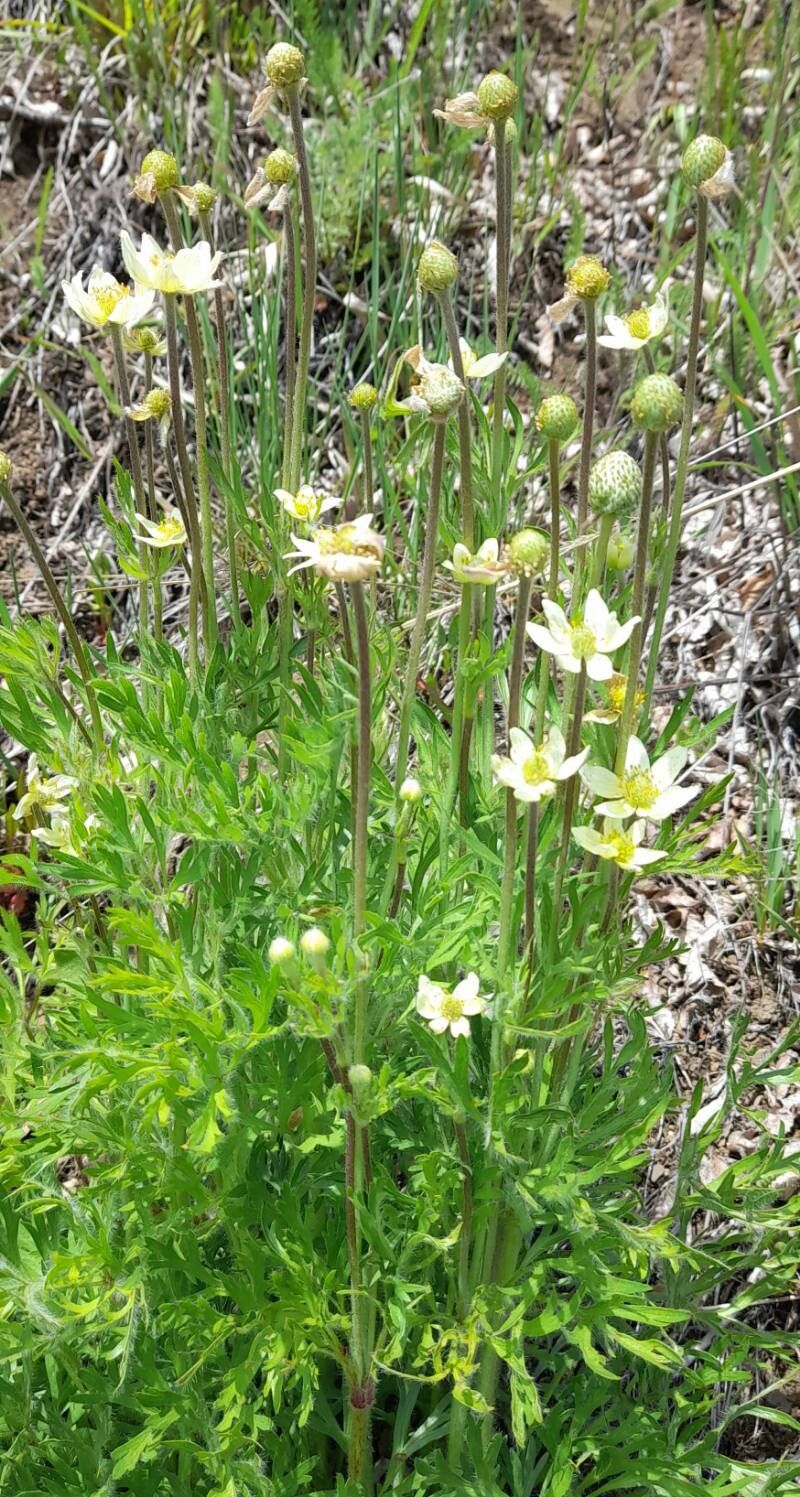
Oh, hello there! Grab a mug of your favorite brew, and let’s chat about Anemone multifida. If you’re like me, you might have fallen under the spell of its cheerful, often vibrant blooms. They bring such a lively splash of color to the garden, don’t they? And the real joy? Being able to multiply those beauties yourself. It’s incredibly rewarding to see a tiny piece you nurtured grow into a full-fledged plant. Now, I won’t lie, Anemone multifida can be a little bit of a trickster to propagate, but with a bit of know-how and patience, you’ll be well on your way. Think of it as a fun challenge that always pays off in the end!
The Best Time to Start
For Anemone multifida, my favorite time for propagation is in the late spring to early summer. This is when the plant is actively growing and has plenty of energy to put into developing new roots. You’re looking for stems that are firm but not yet woody. Think of a pencil-thick stem – that’s usually ideal. Avoid anything too soft or too tough.
Supplies You’ll Need
Before we dive in, let’s gather our tools. Having everything ready makes the whole process smoother:
- Sharp pruning shears or a clean knife: For making clean cuts.
- Seed starting mix or a light, well-draining potting mix: I often use a mix of peat, perlite, and a bit of compost.
- Small pots or seedling trays: With drainage holes, of course!
- Rooting hormone (optional but helpful): A powder or gel will give your cuttings a little boost.
- Plastic bags or a propagation dome: To create a humid environment.
- Watering can with a fine rose attachment or spray bottle: For gentle watering.
- Labeling stakes: So you don’t forget what’s what!
- A warm, bright location out of direct sunlight: Think of a sunny windowsill or a spot in a greenhouse.
Propagation Methods
Anemone multifida is primarily propagated by division, which I find to be the most reliable method for this particular beauty. Stem cuttings can be a bit more hit-or-miss.
Let’s focus on division:
- Gently excavate your Anemone: In the late spring or early summer, when the plant is actively growing but before it gets too huge, carefully dig around the base of your established Anemone. You want to lift the entire root ball out of the soil with as much of the root system intact as possible.
- Inspect the root ball: Look for distinct clumps or sections. You should be able to see natural breaks where the plant is dividing.
- Divide the root ball: This is where your sharp shears or knife come in handy. You can gently pull apart some clumps, but for more stubborn divisions, a clean cut between sections is best. Your goal is to give each new division at least one good bud or eye and a healthy portion of roots.
- Replant immediately: Pot up your new divisions in your prepared, moist potting mix. Make sure the crown (where the stems emerge from the roots) is at soil level.
- Water thoroughly: Give the new divisions a good soak to settle the soil around the roots.
The “Secret Sauce” (Pro Tips)
Over the years, I’ve picked up a few tricks that seem to make a real difference with Anemone multifida:
- Embrace the dormant period for division: While I mentioned late spring/early summer for active growth, some gardeners have great success dividing when the plant is fully dormant in the fall. The key here is ensuring you can clearly see the root structure without extensive foliage getting in the way. Don’t be afraid of disturbing the plant a little; they are tougher than they look!
- Don’t drown your divisions: While they need moisture, soggy soil is the enemy. Ensure your pots drain freely and avoid overwatering, especially right after dividing. Let the soil surface dry out slightly between waterings.
- Think “cozy” for cuttings (if you try): If you do decide to try stem cuttings, the biggest hurdle is preventing rot. Use a very gritty, well-draining mix, and if you’re placing them in a propagule, make absolutely sure no leaves are touching the water. A touch of bottom heat can also encourage root development.
Aftercare & Troubleshooting
Once your divisions are planted, keep them consistently moist but not waterlogged. Place them in a location that gets bright, indirect light. If you used a propagation dome or plastic bag, you can gradually start to open it up over a week or two to acclimate the new plants to normal humidity levels.
The most common sign of trouble is rot. If your cuttings turn mushy and black, or if your divisions look wilted and the stems are soft, it’s usually a sign of too much moisture. In this case, you might need to pull them out, trim away any rotted parts with your clean knife, and replant in drier, fresh potting mix. Sometimes, all is not lost, but it’s a clear signal to dial back the watering.
A Encouraging Closing
Propagating Anemone multifida is a journey, and like all good gardening endeavors, it requires a little patience and a lot of observation. Don’t get discouraged if your first attempt isn’t a roaring success! Each plant is a little different, and you’ll learn so much by simply trying. Enjoy the process of nurturing these little wonders, and soon you’ll have even more of those delightful blooms to brighten your garden. Happy propagating!
Resource:
https://identify.plantnet.org/k-world-flora/species/Anemone%20multifida%20Poir./data