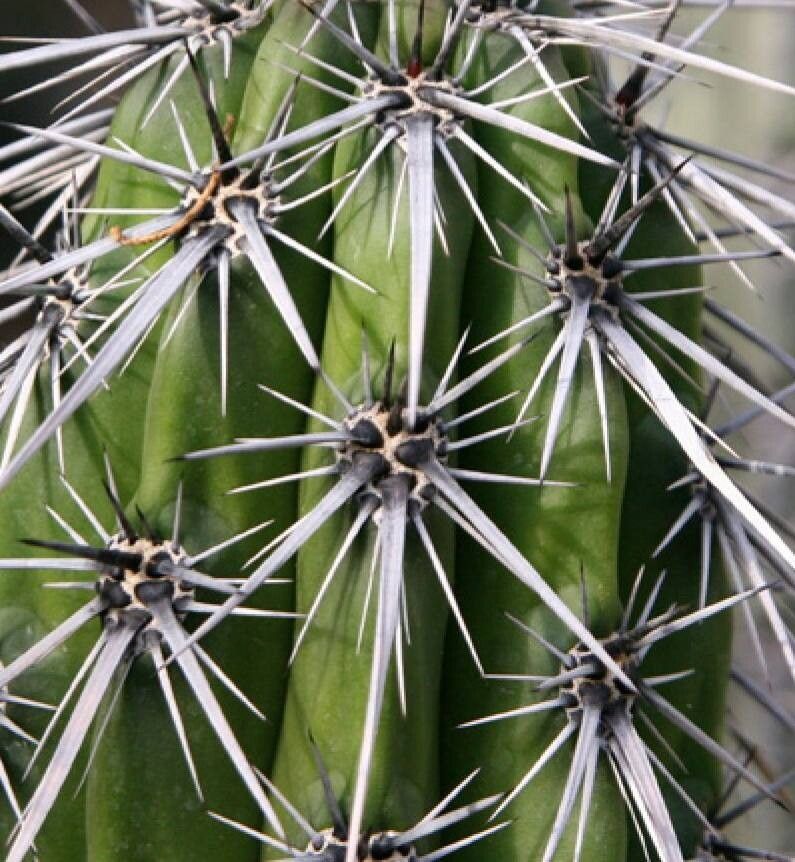
Oh, hello there, fellow plant enthusiasts! Pull up a chair, grab your favorite mug, and let’s chat about a truly magnificent cactus: Lemaireocereus hollianus, or as many of us affectionately call it, the Mexican Candle cactus. There’s just something about those tall, columnar stems, often adorned with beautiful white flowers, that makes it a real showstopper in any garden or home. And the best part? You can easily add more of these beauties to your collection through propagation!
Now, for the good news: if you’re looking to expand your cactus family, Lemaireocereus hollianus is surprisingly forgiving. While no plant is entirely foolproof, this one is a fantastic choice, even for those new to the wonderful world of cactus propagation. It’s a truly rewarding endeavor to watch a piece of your favorite plant take root and grow into something all its own.
The Best Time to Start
When it comes to getting your Lemaireocereus hollianus babies off to a good start, spring and early summer are your golden ticket. This is when the plant is in its active growth phase, meaning it’s got the energy and motivation to push out roots and establish itself. Trying to propagate too late in the year, when temperatures are dropping, can be a bit of a gamble with less favorable results.
Supplies You’ll Need
Before we dive into the “how-to,” let’s gather our little toolkit. Having everything ready will make the process much smoother:
- Sharp, clean pruning shears or a knife: For making clean cuts.
- Rooting hormone (optional but recommended): Encourages faster root development. Look for one specifically for succulents or cacti.
- Well-draining potting mix: A cactus and succulent mix is ideal. You can also make your own by combining potting soil with perlite or pumice.
- Pots or containers: Terracotta pots are great as they allow for good aeration.
- Gravel or small stones: For added drainage at the bottom of pots.
- Watering can or spray bottle: For careful watering.
- Newspaper or thick gloves: To protect your hands from those spines!
Propagation Methods
There are a couple of reliable ways to get new Lemaireocereus hollianus plants going. I find both work wonderfully, but stem cuttings are probably the most common and straightforward.
Stem Cuttings
This is where we take a piece of the mother plant and encourage it to grow roots.
- Select a healthy stem: Look for a mature, strong stem that’s at least 6 inches long. Avoid any that look etiolated (stretched and weak) or show signs of damage.
- Make the cut: Using your sharp, clean shears or knife, make a clean, swift cut at the base of the stem you’ve chosen. The cleaner the cut, the better it will heal.
- Let it callus: This is a Crucial step! Place the cutting in a dry, well-ventilated spot away from direct sun for at least 3-7 days (or even longer). You’ll see the cut end start to dry out and form a callous. This prevents rot when you plant it. Patience here is key!
- Prepare the pot: Fill your chosen pot with your well-draining cactus mix. You might want to add a layer of gravel at the bottom for extra insurance against soggy roots.
- Plant the cutting: Once calloused, you can dip the cut end into rooting hormone if you’re using it. Then, gently insert the calloused end about an inch or two into the potting mix. Don’t bury it too deep!
- Initial watering (be cautious): Resist the urge to water immediately. Wait for a day or two after planting, and then water lightly. You want the soil to be barely moist, not waterlogged.
The “Secret Sauce” (Pro Tips)
Over the years, I’ve learned a few tricks that really seem to help boost success rates.
- Don’t rush the callousing: Seriously, this is the number one reason for rot. If you can see any moisture on the cut end, it needs more time to dry. Let that callous form, and your success will soar.
- Bottom heat is your friend: If you have a seedling heat mat, placing your potted cuttings on it can significantly speed up root formation. Cacti love warmth, and this mimics their natural growing conditions. Just make sure the heat isn’t too intense; a gentle, constant warmth is best.
- Air circulation is non-negotiable: After planting, find a spot for your cuttings with good airflow. Avoid humid bathrooms or closed-off spaces. Good air movement helps prevent fungal issues and encourages healing.
Aftercare & Troubleshooting
Once your cutting has been in its pot for a few weeks, you might start to see signs of life! The first indicator is usually new growth appearing. You can also give it a very gentle tug – if there’s resistance, roots are forming.
The biggest enemy to your new propagations is rot. If you notice the stem becoming mushy, discolored (brown or black), or collapsing, it’s likely rot. This is usually a sign of too much moisture and not enough airflow or callousing. Unfortunately, if rot sets in significantly, it’s often difficult to save. On a brighter note, if you’re getting shriveling without mushiness, it might just be a bit thirsty, so a very light watering might help.
A Encouraging Closing
Propagating Lemaireocereus hollianus is a journey, and like any good journey, it requires a little patience and observation. Don’t be discouraged if your first attempt isn’t perfect. Each cutting is a chance to learn and refine your technique. Enjoy the process, marvel at the resilience of nature, and soon you’ll have a lovely new cactus to admire! Happy growing!
Resource: