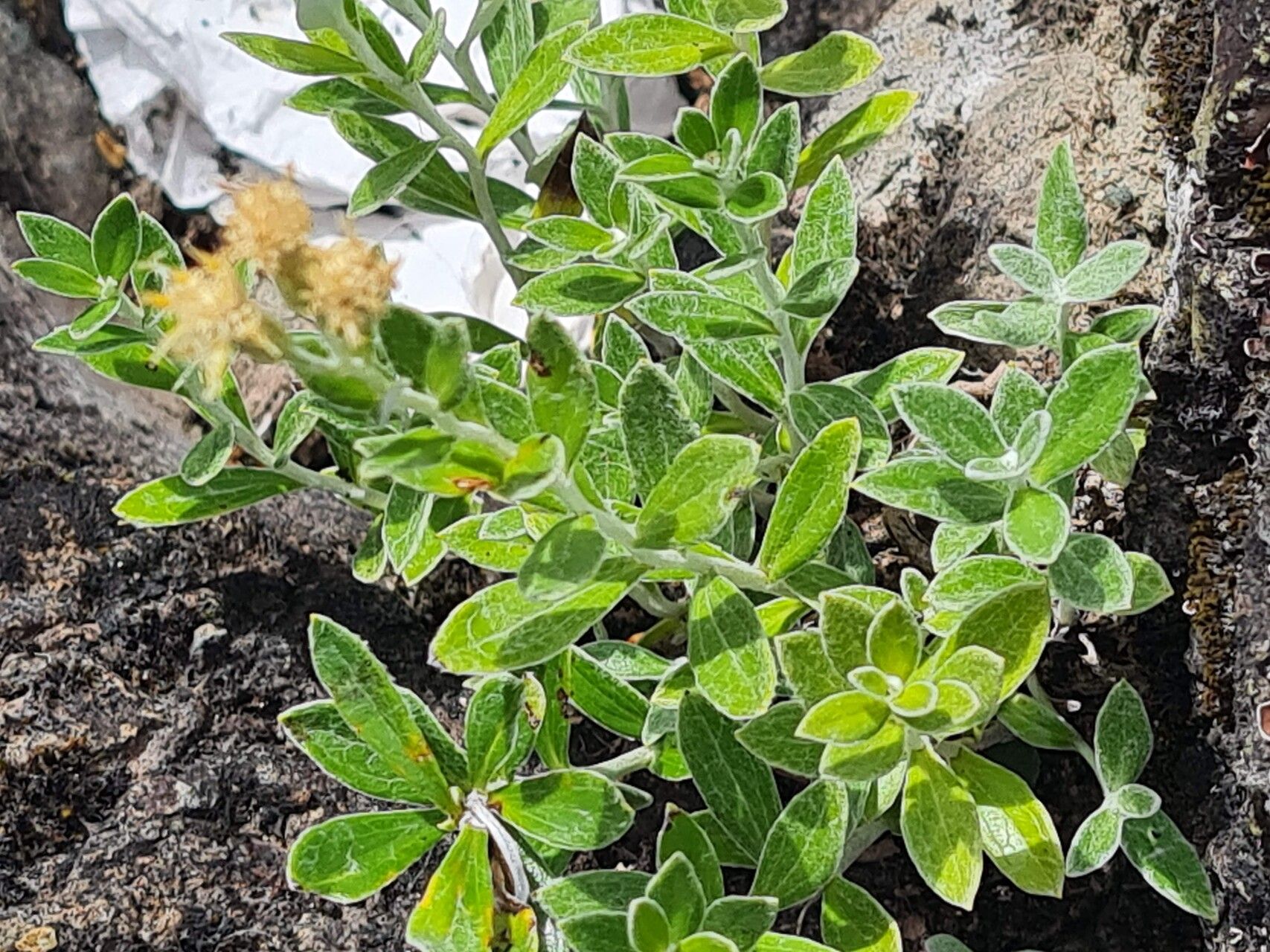
Sharing the Love: Bringing More Luina hypoleuca into Your Garden
Oh, Luina hypoleuca! If you’ve ever admired its fuzzy, silver-backed leaves and delicate, cloud-like flower heads, you’re not alone. This little gem, often called Fuzzy Ragwort or Silver Leaf, brings such a unique texture and ethereal beauty to any garden. And the wonderful thing? It’s a joy to share! Propagating it yourself is incredibly rewarding, giving you more of this charming plant for your own space, or even to bestow upon fellow plant-loving friends. For those of you just starting out with propagation, Luina hypoleuca is a pretty forgiving plant, which makes it a fantastic one to practice on.
When Your Luina is Ready to Share
The absolute best time to get your propagation efforts underway is in the late spring or early summer. This is when your Luina is likely in its active growing phase, full of vigor and ready to put out new shoots. You’ll be looking for healthy, new growth – not the old, woody stems. Think of it as capturing that youthful energy of the plant.
Your Propagation Toolkit
Gathering your supplies beforehand makes the whole process so much smoother. Here’s what you’ll want to have on hand:
- Sharp, clean pruning shears or a sharp knife: For making clean cuts.
- Potting mix: A well-draining mix is key. I like to use a seed starting mix or a blend of peat moss and perlite.
- Small pots or seed trays: With drainage holes, of course!
- Rooting hormone (optional but helpful): Especially if you’re taking stem cuttings. I prefer a powder form.
- Watering can or spray bottle: For gentle watering.
- Clear plastic bag or a propagation dome: To create a humid environment.
- Labels: To keep track of what you’ve propagated and when.
Making More Luina: The Best Methods
Luina hypoleuca is generally pretty adaptable, but I find the most consistent results come from a couple of straightforward methods.
Stem Cuttings: The Speedy Route
This is my go-to method for Luina.
- Take your cuttings: Using your clean shears, snip off healthy, non-flowering stems that are about 3-4 inches long. Look for stems that have just finished flowering or are in their vigorous growth spurt. Make the cut just below a leaf node (where a leaf attaches to the stem).
- Prepare the cuttings: Gently remove the lower leaves from the cutting, leaving just a few at the top. This prevents them from rotting in the soil.
- Dip in rooting hormone (optional): If you’re using rooting hormone, dip the cut end of the stem into the powder, tapping off any excess. This can give your cuttings a little boost.
- Plant your cuttings: Fill your small pots with your prepared potting mix. Make a small hole in the center with your finger or a pencil. Gently insert the cut end of the stem into the hole. Firm the soil gently around the base of the cutting.
- Water them in: Water the pots thoroughly but gently, ensuring the soil is moist but not waterlogged.
- Create humidity: Pop the pots inside a clear plastic bag or cover them with a propagation dome. This traps moisture and keeps the humidity high, which is vital for the cuttings to root.
Division: A Natural Approach
If you have an established Luina that’s gotten a bit crowded, division is a wonderful way to give it a refresh and get new plants.
- Gently excavate: In the spring (before it gets too hot), carefully dig up your Luina plant. You want to disturb the roots as little as possible.
- Divide the root ball: Once the plant is out of the ground, you can usually see natural divisions in the root structure. Using your hands or a clean trowel, gently pull or cut the plant apart into smaller sections. Each section should have a good amount of roots and some healthy foliage.
- Replant immediately: Pot up your divided sections into new pots with fresh potting mix, or plant them directly back into the garden, ensuring they have enough space. Water them well.
The “Secret Sauce” for Success
Here are a few little tricks I’ve picked up over the years that really make a difference:
- The bottom heat trick: If you’re using stem cuttings and can manage it, placing your pots on a heat mat set to a low temperature can dramatically speed up root development. It gives those developing roots a cozy environment to grow.
- Don’t overcrowd! While it’s tempting to pack your pots full of cuttings, giving them a bit of breathing room actually helps prevent fungal issues and allows for better air circulation. Plus, you’ll have an easier time when it comes time to transplant them.
- Air it out!: Even though you want to keep humidity high, it’s a good idea to lift the plastic bag or dome for a few minutes each day to allow for some air exchange. This helps prevent mold and mildew from taking hold.
New Sprouts and What to Watch For
Once your cuttings have been in their humid environment for a few weeks, you should start to see signs of new growth poking out from the leaf nodes. You can also give them a gentle tug – if there’s resistance, it means roots have formed!
Once roots are established (you’ll see them emerging from the drainage holes or feel that resistance), it’s time to gradually acclimate your new plants. Start by removing the plastic bag or dome for longer periods each day. Water them as you would any young plant, keeping the soil consistently moist but not soggy.
Troubleshooting tip: The most common enemy of young cuttings is rot. If your cuttings start to look mushy, black, or just generally unhealthy, it’s usually a sign of too much moisture and poor air circulation. Don’t be discouraged if a few don’t make it; it’s all part of the learning process! Make sure your mix is well-draining and you’re not overwatering.
Keep Growing, Keep Sharing!
Propagating Luina hypoleuca is such a fulfilling way to connect with your garden. Be patient, observe your little plant babies, and celebrate every new sprout. Happy propagating!
Resource:
https://identify.plantnet.org/k-world-flora/species/Luina%20hypoleuca%20Benth./data