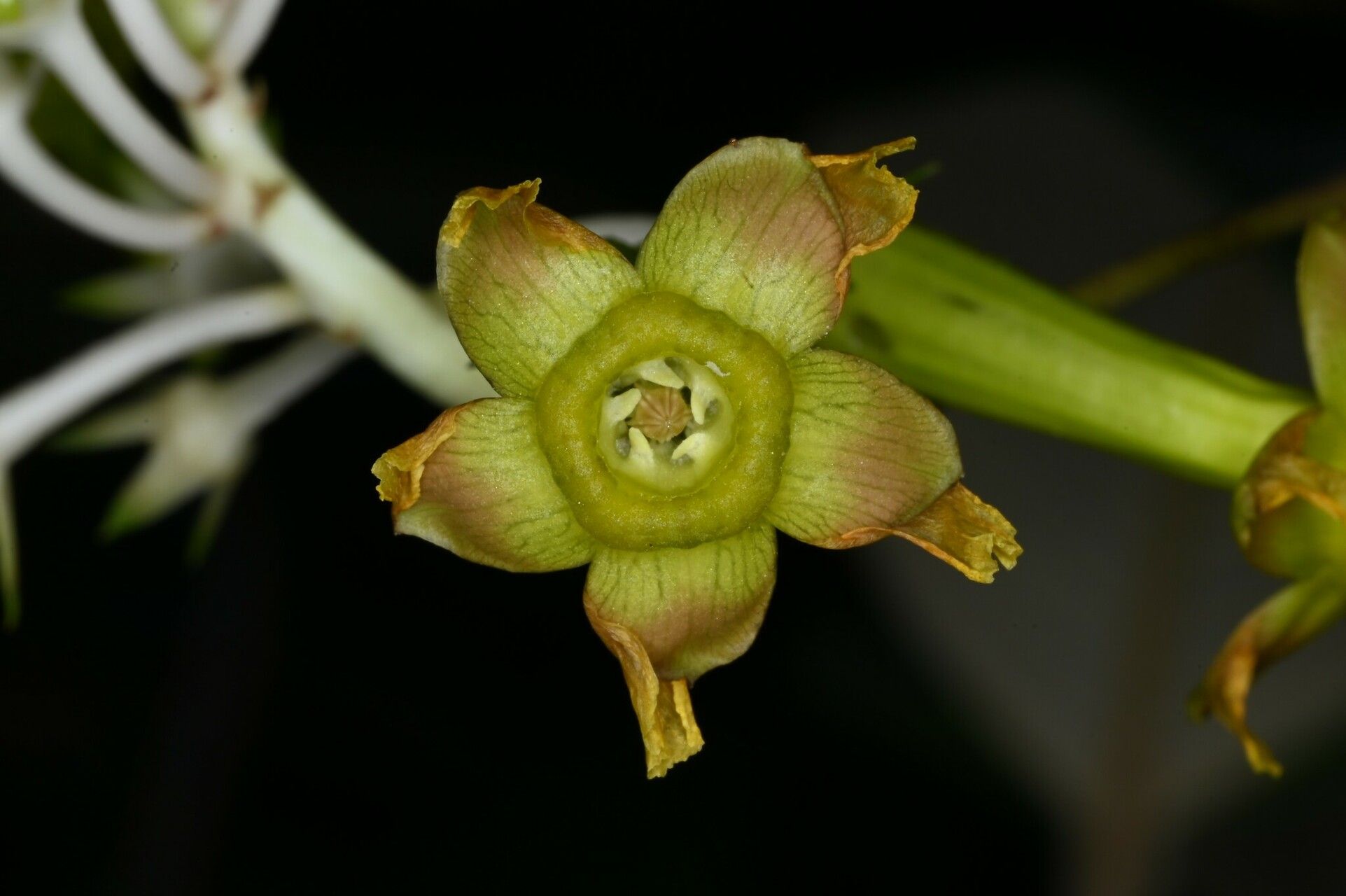
Oh, hello there! Come on in, grab a mug of your favorite brew. Today, we’re diving into the wonderful world of propagating Prestonia cayennensis. This vine, with its stunning trumpet-shaped flowers, is a real showstopper, and growing your own from cuttings is incredibly satisfying. It’s a plant that rewards a little care, and I’ll tell you, watching those tiny roots emerge really makes my heart sing. For beginners, I’d say it’s moderately easy. You’ll need a touch of patience, but the rewards are well worth it.
The Best Time to Start
I find the spring and early summer are absolutely prime time for taking cuttings of Prestonia cayennensis. The plant is in its active growing phase, meaning it has more energy to put into rooting. Look for stems that are green and semi-hardwood, meaning they’re not brand new and floppy, but not old and woody either. You want something that has a bit of flexibility but holds its shape.
Supplies You’ll Need
Here’s what I always have on hand when I’m starting new plants:
- Sharp, clean pruning shears or a sharp knife. Sterilized tools are key to preventing disease.
- A good quality, well-draining potting mix. I often use a blend of peat moss or coco coir mixed with perlite or coarse sand. This helps with aeration and drainage.
- Rooting hormone. This isn’t always strictly necessary, but it really gives your cuttings a boost and increases success rates. I prefer the powder form.
- Small pots or trays with drainage holes.
- A clear plastic bag or dome. This creates a mini-greenhouse effect to keep humidity high around your cuttings.
- A spray bottle filled with water.
Propagation Methods
I find stem cuttings are the most reliable and generally easiest way to propagate Prestonia cayennensis. Let’s walk through it.
- Take Your Cuttings: In the late spring or early summer, use your clean pruning shears to snip 4-6 inch long pieces from healthy, established plants. Make your cut just below a leaf node (where a leaf emerges from the stem). This is where the magic happens for rooting. Try to get a few nodes on each cutting.
- Prepare the Cuttings: Carefully remove the lower leaves. You want to expose the leaf nodes along the bottom inch or two of the stem. If your cutting has very large leaves, you can even cut them in half horizontally. This reduces water loss while the cutting isn’t yet rooted.
- Apply Rooting Hormone: Dip the cut end of each stem into your rooting hormone, tapping off any excess.
- Plant Your Cuttings: Fill your small pots or trays with your prepared potting mix. Make a pilot hole in the center of the soil – this prevents you from rubbing off all that precious rooting hormone when you insert the cutting. Gently insert the cut end of the stem into the hole, ensuring at least one or two leaf nodes are buried beneath the soil. Firm the soil gently around the stem.
- Create a Humid Environment: Water the soil lightly. Then, cover the pots with a clear plastic bag or a plastic dome. Make sure the leaves don’t touch the plastic if possible. Pop these in a warm spot with bright, indirect light.
The “Secret Sauce”
Here are a couple of things I’ve learned over the years that make a big difference:
- Bottom Heat is Your Friend: If you have the option, placing your pots on a gentle heat mat can dramatically speed up root development. It mimics a warm spring soil temperature and encourages those roots to get going. Just a low-medium warmth is all you need.
- Don’t Be Afraid to Check: After a few weeks, you can gently tug on a cutting. If you feel resistance, that’s a good sign roots are forming! Resist the urge to constantly poke and prod, though. Patience is crucial here.
Aftercare & Troubleshooting
Once you see signs of new growth – tiny leaves unfurling or that gentle tug of resistance – it’s time to start transitioning your new plants.
Gradually remove the plastic cover over a week or two to help them acclimatize to drier air. Continue to keep the soil consistently moist but not waterlogged. Water when the top inch of soil feels dry to the touch. You’ll know your cuttings have successfully rooted when they are actively growing and have a good amount of foliage. At this point, they can be moved to slightly larger pots.
The most common pitfall is rot. If your cuttings turn mushy, black, or smelly, it’s a sign of too much moisture and not enough air. Ensure your soil drains well and that you’re not overwatering. If you see rot starting, try to remove the affected cutting immediately to prevent it from spreading to others.
A Bit More Patience, A Whole Lot More Blooms
And there you have it! Propagating Prestonia cayennensis is a journey, and like all good things in the garden, it requires a little patience. Don’t get discouraged if your first few attempts aren’t perfect. Each plant is a learning experience, and the joy of seeing your new vines flourish is truly a gardener’s delight. Happy propagating!
Resource:
https://identify.plantnet.org/k-world-flora/species/Prestonia%20cayennensis%20(A.DC.)%20Pichon/data