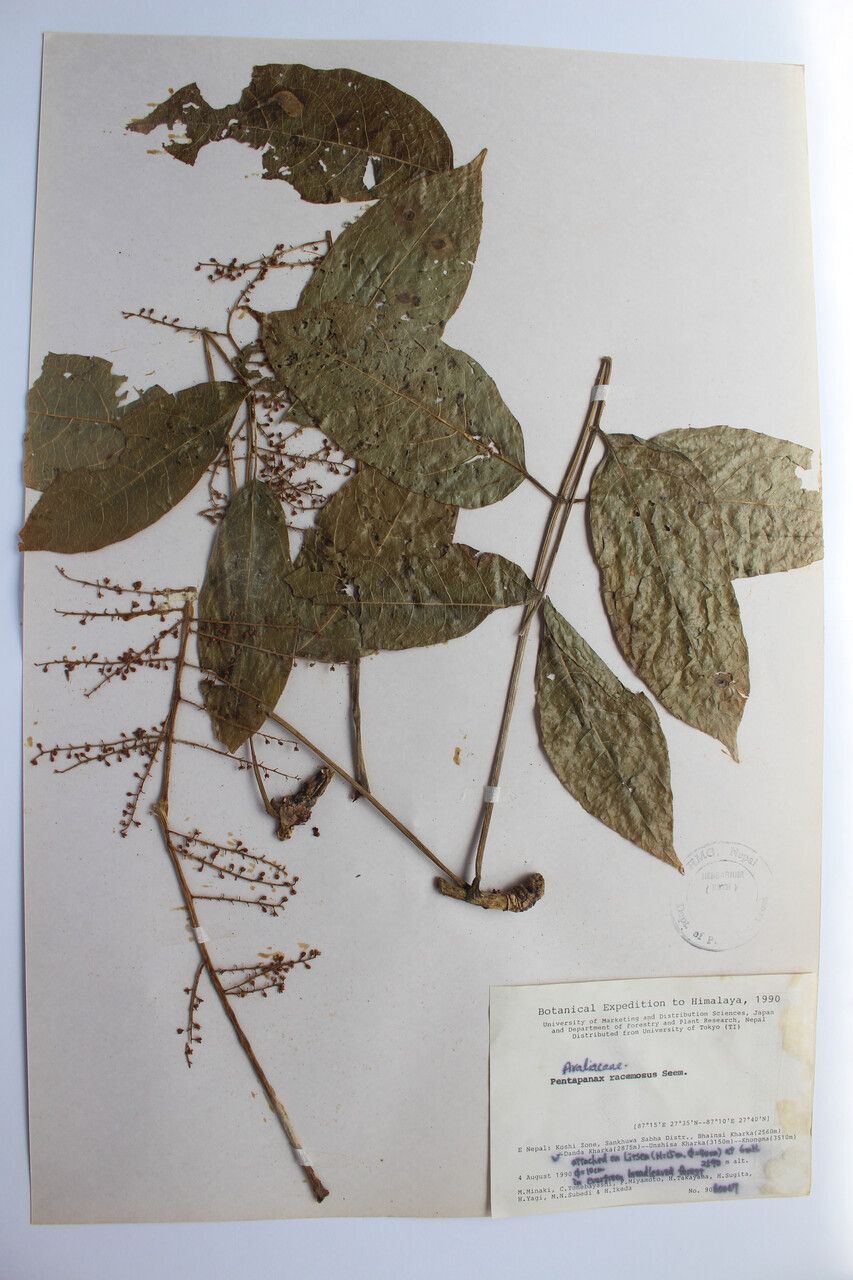
Hello there, fellow plant lovers! Are you captivated by the lush, architectural beauty of Aralia gigantea? I know I am. There’s something so striking about its bold foliage and upright form. And the best part? You can easily bring more of that green magic into your home or garden by propagating it yourself! It’s a wonderfully rewarding experience, and honestly, I think even beginners can have a good shot at this, with a little guidance, of course.
The Best Time to Start
For Aralia gigantea, you’ll find the most success by propagating during its active growing season. This typically falls in the late spring and early summer. The plant is brimming with energy then, meaning it’s more likely to put out those wonderful new roots. Trying to propagate when it’s dormant just makes things a lot harder for everyone, especially your little cuttings.
Supplies You’ll Need
Before we dive in, let’s gather our toolkit. Having everything ready makes the process so much smoother:
- Sharp Pruning Shears or a Clean Knife: For making clean cuts. We don’t want to bruise the stems.
- Rooting Hormone: While not always strictly necessary for Aralias, it can give your cuttings a helpful boost.
- Well-Draining Potting Mix: I usually go for a mix of potting soil, perlite, and a bit of coarse sand. This ensures water can escape easily.
- Small Pots or Trays: About 4-6 inches wide works well for starting out.
- Clear Plastic Bag or Dome: To create a mini-greenhouse effect and keep humidity high.
- Watering Can or Mister: For gentle hydration.
Propagation Methods
Let’s get our hands dirty! Aralias are quite adaptable, and stem cuttings are my go-to method.
Stem Cuttings:
- First, select a healthy, non-flowering stem from your mature Aralia gigantea. Look for a stem that’s semi-hardwood, meaning it’s not brand new and floppy, but not old and woody either.
- Using your sharp shears or knife, make a clean cut just below a leaf node. This is the little bump where a leaf grows from the stem. Cuttings should be about 4-6 inches long.
- Gently remove any lower leaves from the cutting, leaving just a few at the top. This helps the plant focus its energy on root production, not maintaining too many leaves.
- If you’re using rooting hormone, dip the cut end of the stem into it. A light dusting is all you need.
- Fill your small pots with your prepared, well-draining potting mix. Moisten it slightly.
- Gently insert the cutting into the soil, making sure at least one leaf node is buried. Firm the soil gently around the stem to ensure good contact.
- Place the potted cutting in a bright spot that doesn’t get direct, harsh sunlight.
- Cover the pot with a clear plastic bag or a propagation dome. This keeps the humidity high, mimicking the conditions the cutting craves. Make sure the leaves don’t touch the plastic.
- Water lightly to keep the soil consistently moist, but not soggy.
The “Secret Sauce”
Here are a couple of tricks I’ve learned along the way that can really make a difference:
- Don’t Overwater! This is probably the biggest mistake I see beginners make. Soggy soil is a recipe for rot, and your precious cutting will have a very short lifespan. The soil should feel like a wrung-out sponge – damp, but not waterlogged.
- Bottom Heat is Your Friend. If you have an old seedling heat mat, using it under your propagation pots can dramatically speed up root formation. It gives those developing roots a nice, warm environment to thrive in. I find it particularly helpful for those fussier stem cuttings.
Aftercare & Troubleshooting
Once you start seeing new leaf growth or gentle tugging reveals resistance (meaning roots have formed), it’s time for a little adjustment. Gradually remove the plastic bag or dome over a few days to let the cutting acclimate to normal humidity. Continue to keep the soil evenly moist and in bright, indirect light.
The most common issue you might face is rot. If your cutting looks black and mushy at the base, or the leaves start turning yellow and falling off rapidly, it’s usually a sign of overwatering or poor drainage. If this happens, you may need to start again with a fresh cutting and adjust your watering habits.
A Heartfelt Closing
Propagating Aralia gigantea is a beautiful way to connect with your plants and expand your collection. Be patient with the process. Sometimes it takes a few weeks, or even a couple of months, for those magical roots to appear. Enjoy the journey, celebrate each little success, and before you know it, you’ll have your very own homegrown Aralias to admire! Happy gardening!
Resource:
https://identify.plantnet.org/k-world-flora/species/Aralia%20gigantea%20J.Wen/data