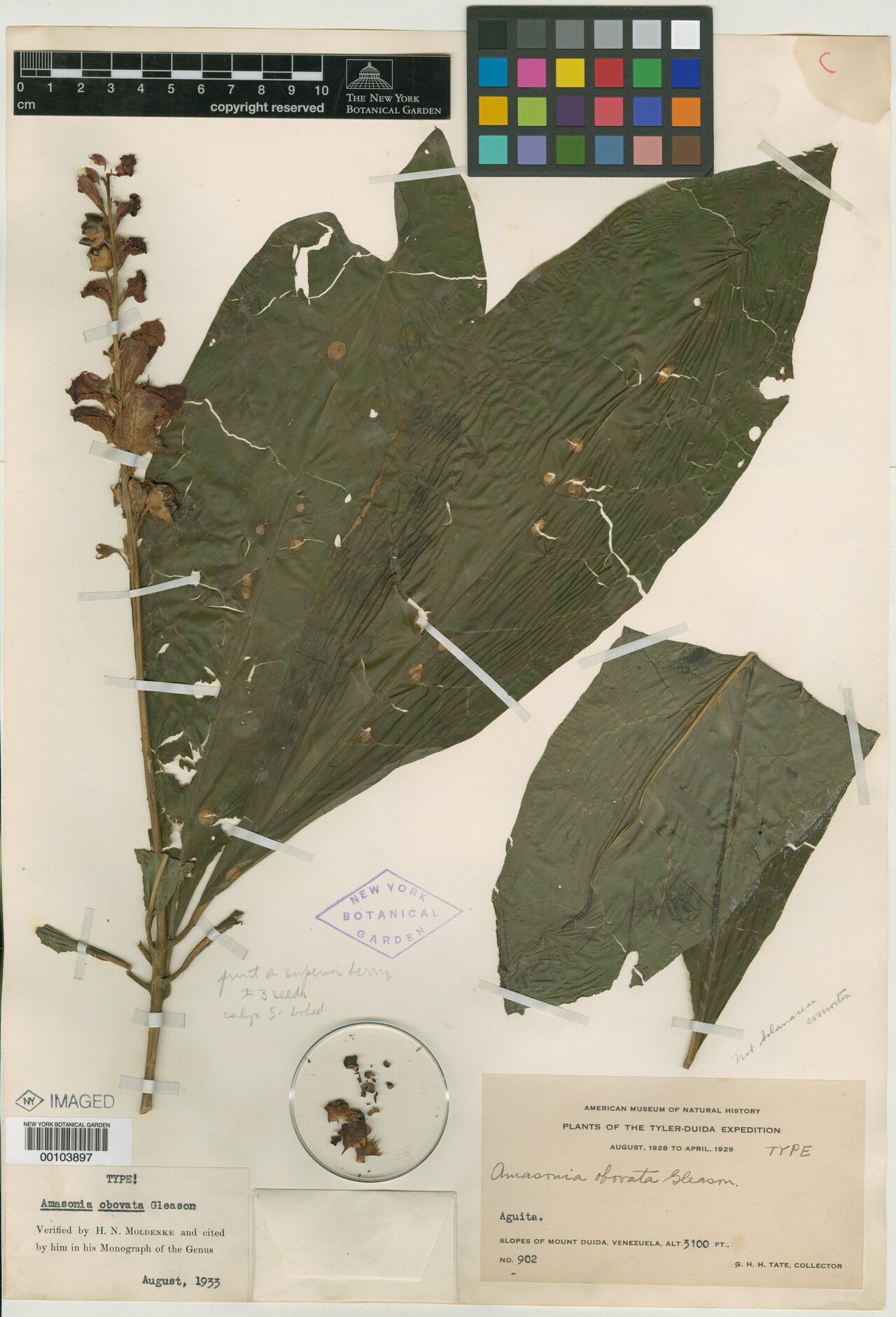
Hello, fellow plant lovers! It’s so wonderful to have you here. Today, we’re diving into the delightful world of Amazonia obovata, also known as the Amazonian mosaic plant. If you’ve ever been captivated by its intricate leaf patterns and rich, velvety texture, then you’re in for a treat. I’m thrilled to share how we can multiply this beauty, creating more of its magic to grace our homes.
Propagating Amazonia obovata might sound a little intimidating at first, but trust me, it’s a deeply rewarding experience. Seeing a tiny snippet of your beloved plant develop its own roots and grow into a new, independent specimen is pure joy. For beginners, I’d say it’s not the absolute easiest plant to start with, but with a little care and understanding, you’ll be amazed at what you can achieve. Let’s get propagating!
The Best Time to Start
When it comes to getting the best results, timing is everything. The late spring and summer months are your absolute gold standard for propagating Amazonia obovata. This is when the plant is in its most vigorous growth phase. Its energy is high, and it’s much more likely to put out new roots and establish itself quickly. Look for healthy, actively growing stems – these will be your best bet. Avoid trying to propagate during the dormant winter months; it’s just too quiet for the plant to really get going.
Supplies You’ll Need
Gathering your supplies beforehand makes the whole process smoother. Here’s what I usually have on hand:
- Sharp pruning shears or a clean knife: For making clean cuts.
- Well-draining potting mix: A mix designed for aroids or a general houseplant mix amended with perlite or orchid bark works beautifully.
- Small pots or propagation trays: Anything that can hold your cuttings and potting medium.
- Clear plastic bag or propagation dome: To create a humid environment.
- Rooting hormone (optional but recommended): Helps to encourage root development.
- Watering can or spray bottle: For gentle watering.
Propagation Methods
While Amazonia obovata can be a bit finicky, the most successful method for me has always been stem cuttings. Let’s walk through it.
Stem Cuttings:
- Select Your Cutting: Find a healthy, mature stem on your Amazonia obovata. You’re looking for a piece that has at least two to three healthy leaves and ideally includes a section of stem below a leaf node. Think of a node as a little bump or joint on the stem where a leaf grows from. This is where the roots will emerge.
- Make the Cut: Using your sharp pruning shears or knife, make a clean cut about a quarter-inch below the lowest leaf node. A clean cut is crucial; jagged edges can invite rot.
- Prepare the Cutting: Gently remove the lowest leaf from your cutting. This exposes the node and prevents the leaf from rotting when it’s in the soil or water. If your cutting has very large leaves, you can also cut them in half horizontally. This reduces water loss while the cutting is trying to establish roots.
- Apply Rooting Hormone (Optional): If you’re using rooting hormone, dip the cut end of the stem into the powder, tapping off any excess. This step isn’t strictly necessary, but it can give your cutting a helpful boost.
- Plant Your Cutting: Fill your small pot or tray with your well-draining potting mix. Make a small hole in the center with your finger or a pencil. Gently insert the cut end of your Amazonia obovata cutting, ensuring the leaf node is buried in the soil.
- Water Gently: Water the soil lightly after planting. You want the soil to be moist, but not waterlogged.
The “Secret Sauce” (Pro Tips)
Here are a few things I’ve learned over the years that make a real difference for Amazonia obovata:
- Humidity is Key, But Keep Leaves Dry: When you place your cutting in its pot, cover it with a clear plastic bag or a propagation dome. This creates that humid microclimate your cutting craves. However, be mindful! Don’t let the leaves touch the plastic bag if possible. If they do, it can trap moisture and lead to fungal issues. I sometimes use small stakes to prop the bag up.
- Bottom Heat is Your Friend: For an extra edge, especially if your home tends to be cooler, consider using bottom heat. A small propagation mat placed under your pots can significantly speed up root development. It mimics the warmth of the soil in a tropical environment.
Aftercare & Troubleshooting
Once your cutting is nestled in its new home, the waiting game begins! Keep the soil consistently moist, but never soggy. The plastic bag or dome should keep humidity levels high.
You’ll know your Amazonia obovata cutting is developing roots when you see new leaf growth. This can take anywhere from a few weeks to a couple of months, so patience is a virtue here. Once you see a good amount of new growth, you can gradually acclimate your plant to lower humidity by opening the plastic bag or dome a little more each day.
What if things go wrong? The most common problem is rot. If you notice your cutting turning mushy, black, or smelling foul, it’s likely rot. Usually, this is due to the soil being too wet or poor air circulation. If you catch it early, you can try cutting away the rotted parts with a clean blade and repotting in fresh, dry soil, but often, it’s best to start again. Yellowing leaves before root development can also be a sign of stress, perhaps from being too dry or too wet.
A Little Patience Goes a Long Way
Propagating Amazonia obovata is a wonderful journey. Don’t get discouraged if your first attempt isn’t a roaring success. Each time you try, you learn a little more. Enjoy the process, celebrate the small victories (like that first tiny new leaf!), and soon you’ll have a whole collection of these stunning plants. Happy growing!
Resource:
https://identify.plantnet.org/k-world-flora/species/Amasonia%20obovata%20Gleason/data