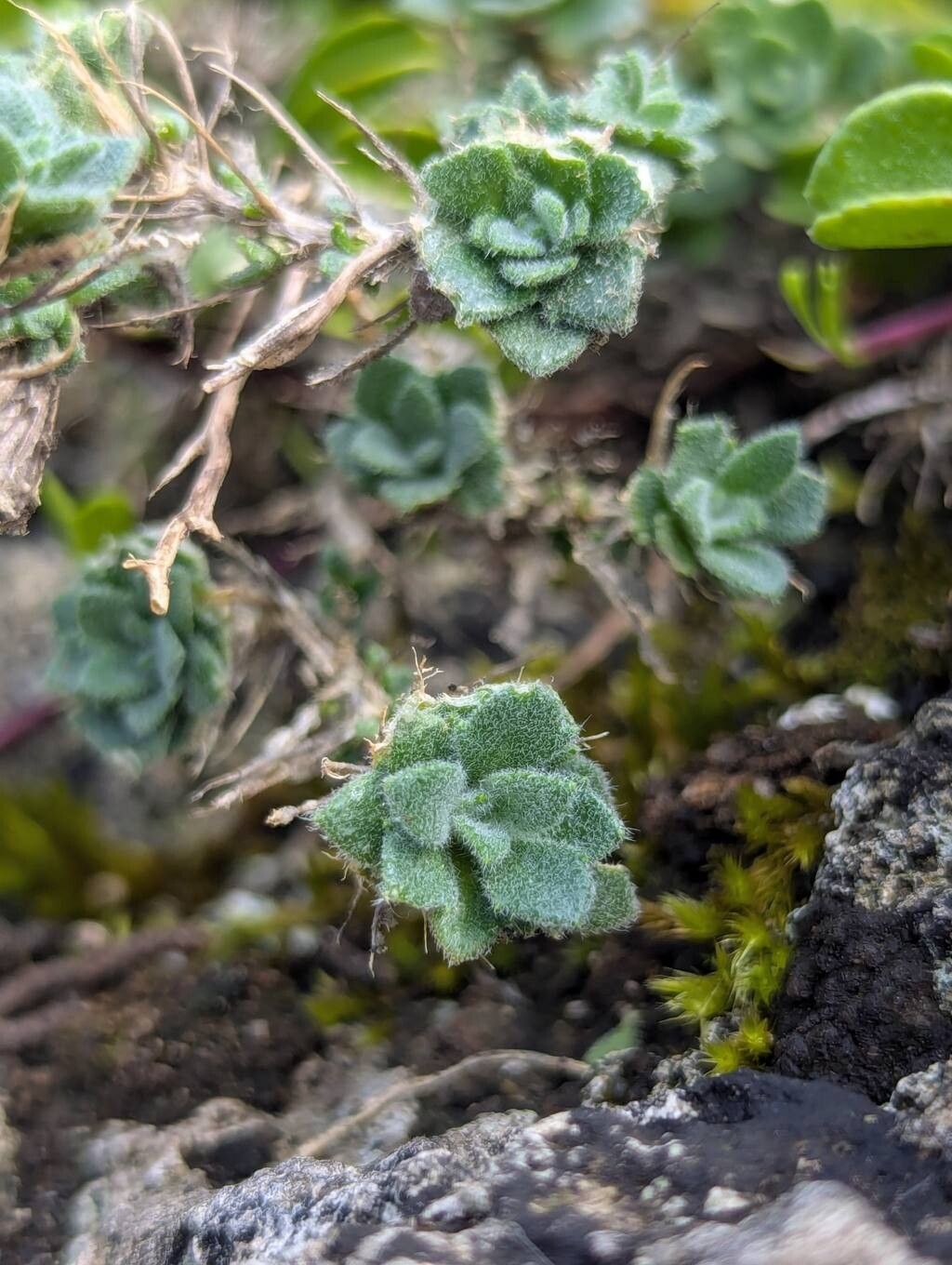
Oh, Aubrieta! If you’ve ever seen those glorious drifts of sapphire-blue or vibrant violet spilling over a stone wall in spring, you know precisely why this little plant is so beloved. It’s the queen of rock gardens, a veritable carpet of color that truly sings when the world starts to wake up from its winter slumber. And the best part? You can easily multiply this beauty yourself! Propagating Aubrieta is a wonderfully rewarding venture, and I’m here to tell you it’s a very beginner-friendly endeavor. Don’t be intimidated; you’ll be surprised at how simple it can be.
The Best Time to Start
For the highest success rate with Aubrieta, I always reach for my secateurs in late spring or early summer. This is when the plant has finished its spectacular bloom and is gearing up for fresh growth. You’re looking for non-flowering, semi-ripe stems – they have enough energy to root but aren’t so soft that they’ll easily rot. Waiting until after the main flowering flush also gives the parent plant a chance to recover.
Supplies You’ll Need
Gathering your tools beforehand makes the whole process much smoother. Here’s what I recommend:
- Sharp Pruning Shears or a Craft Knife: Cleanliness is key!
- Small Pots or Seed Trays: With drainage holes, naturally.
- Sterile Potting Mix: A good quality, free-draining mix is essential. I often use a blend of equal parts seed starting mix and perlite.
- Rooting Hormone (Optional but Recommended): This can give your cuttings an extra boost.
- Plastic Bags or a Propagator: To create a humid environment.
- Watering Can with a Fine Rose: For gentle watering.
- Labeling Stakes: Don’t forget to label what you’ve planted!
Propagation Methods
Let’s get our hands dirty! I’ve had great success with two main methods:
Stem Cuttings
This is my go-to for Aubrieta.
- Take Your Cuttings: Find those healthy, semi-ripe stems. Using your sharp shears, take cuttings about 4-6 inches long. Make sure each cutting has at least two sets of leaves.
- Prepare the Cuttings: Gently remove the lower leaves from the bottom inch or so of each cutting. This prevents them from rotting when they’re in the soil.
- Dip in Rooting Hormone: If you’re using rooting hormone, dip the cut end into the powder. Tap off any excess.
- Pot Them Up: Fill your small pots or trays with the prepared potting mix. Use a pencil or your finger to make a small hole in the center of each.
- Insert Cuttings: Gently push the prepared cutting into the hole, ensuring the base is firmly in the soil. Water lightly to settle the soil.
- Create Humidity: Cover the pots with a plastic bag or place them in a propagator. This keeps the humidity high, which is crucial for cuttings to root.
Division
If your Aubrieta has become a bit of a clump, division is a fantastic way to get more plants and rejuvenate the original.
- Lift the Plant: In early spring or autumn, carefully dig up the entire clump of Aubrieta.
- Separate the Roots: Gently pull the clumps apart into smaller sections. Each section should have a good amount of roots and at least a few shoots. You might need a small spade or even your hands for this.
- Replant: Replant the divisions immediately into their new homes, whether that’s back in their original spot (if there’s space) or into new containers. Water them well to help them settle in.
The “Secret Sauce” (Pro Tips)
Here are a couple of tricks that have helped me over the years:
- Don’t Let Leaves Touch the Water (if water propagating): While I prefer soil for Aubrieta, if you were to try water propagation, never let the leaves sit in the water. They’ll rot before they can root. Only the stem should be submerged.
- Bottom Heat is Your Friend: If you have a propagation mat, place your potted cuttings on it. A little warmth from below encourages root development and significantly speeds up the process. It makes a real difference!
- Patience is Paramount: Aubrieta isn’t the fastest rooter, so don’t be tempted to dig them up too soon. Give them at least 4-6 weeks to establish a good root system.
Aftercare & Troubleshooting
Once you see new growth, that’s a good sign. Gently lift a pot, and if you feel resistance, you’ve got roots!
- Acclimatize: Gradually remove the plastic covering over a few days to get the new plants used to normal humidity.
- Watering: Keep the soil consistently moist but not soggy. Overwatering is the quickest way to invite trouble.
- Transplanting: Once the seedlings are robust enough to handle, transplant them into larger pots or their final garden positions.
The most common issue you might encounter is rot. If your cuttings look yellow and mushy, or the stems turn black, it’s usually a sign of too much moisture and not enough air circulation. Ensure your drainage is excellent and that you’re not overwatering at any stage.
A Encouraging Closing
Propagating aubrieta is such a rewarding way to fill your garden with even more of that delightful spring color. Don’t fuss too much; these plants are remarkably resilient. Enjoy the process of nurturing these tiny beginnings, and soon you’ll have cascades of blooms to admire, all thanks to your own green thumb. Happy gardening!
Resource:
https://identify.plantnet.org/k-world-flora/species/Aubrieta%20canescens%20(Boiss.)%20Bornm./data