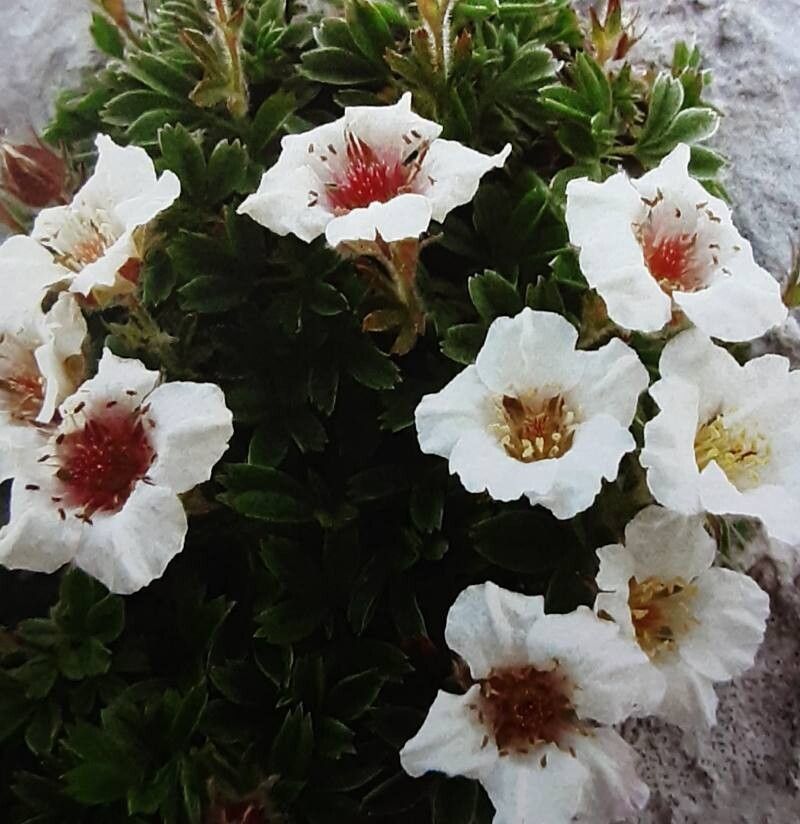
Hello there, fellow garden enthusiasts! Gather ’round, pull up a chair, and let’s talk about one of my absolute favorite finds: Potentilla clusiana. I’ve spent years coaxing beautiful blooms from this little gem, and I’m so excited to share how you can do the same right in your own garden.
Why You’ll Love Propagating Potentilla Clusiana
Potentilla clusiana is a charming, low-growing alpine with delicate white flowers that look like tiny stars sprinkled across the landscape. It’s hardy, drought-tolerant once established, and brings a lovely, wild elegance to rock gardens, borders, or even containers. Propagating it isn’t just about getting more plants; it’s about understanding the resilience of nature and the joy of nurturing new life. For beginners, I’d say it’s moderately easy. With a little attention, you’ll be successful.
The Best Time to Start
The sweet spot for propagating Potentilla clusiana is late spring to early summer. This is when the plant is actively growing and developing new, pliable stems. You’re looking for stems that have just finished flowering or are about to, but haven’t hardened off into tough, woody growth. They should be flexible, not brittle.
Supplies You’ll Need
Here’s what you’ll want to have on hand:
- Sharp Pruning Shears or a Craft Knife: For clean cuts that heal well.
- Rooting Hormone (Powder or Gel): This is a real confidence booster for cuttings.
- Small Pots or Seed Starting Trays: About 3-4 inches deep are perfect.
- Well-Draining Potting Mix: A good blend is 50% peat moss or coco coir and 50% perlite or coarse sand. You can also use a dedicated sterile seed starting mix.
- Plastic Bags or a Humidity Dome: To keep humidity high around your cuttings.
- Watering Can with a Fine Rose: For gentle watering.
- Labels and a Marker: Don’t forget to label your pots!
- Optional: A Heat Mat: This can significantly speed up root development.
Propagation Methods
There are a couple of ways we can go about this, but my go-to is almost always stem cuttings.
Stem Cuttings
This is where the magic happens!
- Take Your Cuttings: On a cool morning, after the dew has dried, select healthy, non-flowering stems. Cut stems that are about 4-6 inches long, making your cut just below a leaf node (where a leaf attaches to the stem). Gently remove the lower leaves, leaving just the top few.
- Apply Rooting Hormone: Dip the cut end of each stem into your rooting hormone. Tap off any excess.
- Plant Your Cuttings: Fill your pots or trays with your prepared potting mix. Make a small hole with a pencil or your finger, then gently insert the cutting. Firm the soil around the stem to ensure good contact.
- Water Gently: Water thoroughly but gently, making sure the soil is moist but not waterlogged.
- Create a Humid Environment: Cover the pots with a clear plastic bag (a large zip-top bag works well, just prop it up with a few skewers so it doesn’t touch the leaves) or place them under a humidity dome. This is crucial for preventing the cuttings from drying out.
- Provide Light and Warmth: Place your pots in a bright spot out of direct, scorching sunlight. If you have a heat mat, place the pots on top.
The “Secret Sauce” (Pro Tips)
After years of playing in the dirt, I’ve picked up a few tricks that really make a difference:
- “Greenwood” is Key: For Potentilla clusiana, you want “greenwood” cuttings. These are taken from the current season’s growth that is still soft and pliable, not hard and woody. Think of it like snapping a fresh twig – it bends easily.
- Bottom Heat is a Game Changer: If you’re serious about success, investing in a small propagation heat mat can dramatically reduce the time it takes for your cuttings to root. The warmth encourages root cell division and makes a noticeable difference.
- Don’t Rush the Dip: When using rooting hormone powder, I like to lightly moisten the cut end first with a drop of water. This helps the powder adhere better to the stem, ensuring more consistent hormone application.
Aftercare & Troubleshooting
Once your cuttings are planted, here’s what to do:
- Maintain Humidity: Check the moisture level of the soil every few days and mist if necessary. Lift the plastic bag daily for a few minutes to allow for air circulation and reduce the risk of fungal diseases.
- Watch for Roots: It can take anywhere from 4 to 8 weeks for cuttings to develop a good root system. You can gently tug on a cutting; if there’s resistance, you’ve got roots!
- Transplant Carefully: Once rooted, you can carefully transplant your new Potentilla babies into individual pots. Water them in and continue to keep them in bright, indirect light for a few more weeks before gradually introducing them to more sun.
- Common Pitfalls: The most common sign of failure is wilting and browning, which usually means the cutting has dried out. Mould or rot is a sign of too much moisture and not enough air circulation. If you see this, remove the affected cutting immediately and ensure better airflow for the others.
Keep Growing!
Propagating plants is a journey, and like any good journey, there will be moments of triumph and perhaps a few stumbles. Be patient with your Potentilla clusiana cuttings. Enjoy the process of watching them develop, and soon you’ll have a whole host of these delightful star-like beauties to share and enjoy. Happy gardening!
Resource:
https://identify.plantnet.org/k-world-flora/species/Potentilla%20clusiana%20Jacq./data