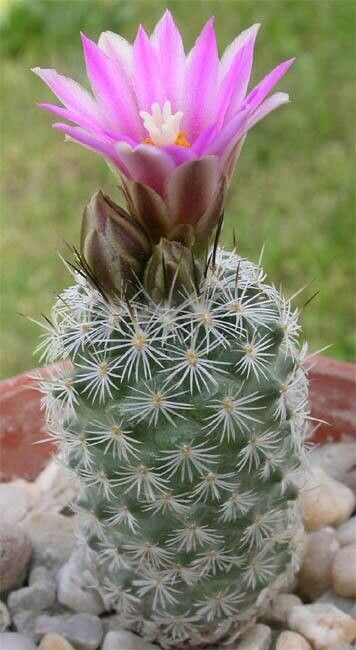
Welcome, Fellow Plant Lovers! Let’s Talk About Propagating Rapicactus beguinii
There’s something wonderfully satisfying about multiplying your plant collection, isn’t there? And when it comes to the captivating Rapicactus beguinii, this couldn’t be more true. With its striking foliage and often vibrant blooms, this little cactus can really add a unique touch to any indoor jungle. Propagating it is a fantastic way to share the love, fill up empty pots, or simply to marvel at the miracle of new life. Now, I’ll be honest, Rapicactus beguinii can be a tad on the fussier side for absolute beginners, but don’t let that deter you! With a little patience and the right approach, you’ll be well on your way to success.
When is the Best Time to Start?
Think about when your Rapicactus beguinii is most actively growing. For most cacti and succulents, this is during their active growing season, which typically falls in the spring and summer months. This is when the plant has the most energy to put into developing new roots and shoots. Waiting until after your plant has finished flowering or when you see signs of new growth emerging is a good indicator. Avoid trying to propagate during the dormant winter period.
What You’ll Need to Get Growing:
Before we get our hands dirty, let’s make sure we have everything ready. Here’s my go-to list:
- Sharp, clean pruning shears or a craft knife: For taking clean cuts. Sterilize them with rubbing alcohol between uses.
- Well-draining potting mix: A commercial cactus and succulent mix is good, or you can make your own by combining potting soil with perlite or pumice (about a 1:1 ratio).
- Small pots or seed trays: Clean pots are crucial to prevent disease.
- Rooting hormone (optional but helpful): Look for a powder or gel formulated for succulents.
- A spray bottle: For gentle watering.
- Labels: To keep track of what you’ve propagated and when!
Let’s Get Propagating!
There are a couple of ways to go about this, but for Rapicactus beguinii, we’ll focus on the most reliable methods.
Stem Cuttings: The Tried and True Method
This is my favorite approach for Rapicactus beguinii. You’re essentially taking a piece of the mother plant and encouraging it to grow.
- Identify a healthy stem: Look for a mature, sturdy stem that’s not too young or too old.
- Make a clean cut: Using your sterilized shears or knife, make a clean cut just above a joint or where the stem naturally segments. Aim for a cutting that’s at least 2-3 inches long.
- Allow it to callus: This is super important! Place your cutting in a dry, well-ventilated spot (out of direct sun) for several days to a week. You want the cut end to dry out and form a protective callus. This prevents rot when you plant it.
- Dip in rooting hormone (optional): Once callused, you can dip the cut end into rooting hormone, tapping off any excess.
- Plant the cutting: Fill your small pot with your well-draining soil mix. Make a small hole and gently insert the callused end of your cutting into the soil, about an inch deep. You can use a chopstick or pencil to help create the hole.
- Water sparingly: Give the soil a very light misting. Don’t drench it. We want the soil to be barely moist.
Division: For Established Plants
If your Rapicactus beguinii has become quite large and is starting to produce offsets (baby plants), division can be a great option.
- Gently remove from pot: Carefully take the mother plant out of its pot.
- Inspect the root ball: Gently brush away some of the old soil to see where the offsets are attached.
- Separate the offsets: Using your hands or a clean knife, carefully separate the offsets from the main plant. Try to get each offset with some roots attached.
- Allow offsets to callus: Just like stem cuttings, let these separated offsets sit in a dry, airy spot for a few days until the cut ends are callused over.
- Pot them up: Plant each offset in its own small pot with well-draining soil, following the same light watering instructions as for stem cuttings.
The “Secret Sauce”: My Top Tips
Here are a few things I’ve learned over the years that really make a difference:
- Don’t rush the callus: Seriously, this is the most common mistake leading to rot. That dry, brown surface is your best defense. Patience here is key!
- Bottom heat is a game-changer: If possible, place your pots on a seedling heat mat set to a low temperature. This gentle warmth encourages root development from below, accelerating the process.
- Air circulation is your friend: Make sure the cuttings and new divisions have good airflow around them. This helps to keep the soil from staying too wet and prevents fungal issues.
Aftercare and What to Watch For
Once your cuttings or divisions are planted, resist the urge to constantly check on them!
- Watering: Keep the soil lightly moist, but never soggy. I usually give mine a very light misting every week or two, depending on how dry the soil feels. You’ll know they’re starting to root when they feel a bit more stable and you might even see some new growth.
- Light: Place them in a bright spot with indirect sunlight. Too much direct sun can scorch delicate new growth.
- Troubleshooting: The main thing to watch out for is rot. If your cutting or offset looks mushy, discolored, or starts to collapse, it’s likely rotted. This usually means it was too wet. Unfortunately, if rot sets in, it’s often irreversible. If you catch it early, you might be able to salvage a healthy part and let it callus again, but prevention is much better!
Keep Growing and Enjoy!
Propagating plants is a journey, and with Rapicactus beguinii, there might be a few bumps along the way. But the reward of seeing those tiny roots form and a new plant emerge is truly special. Be patient, keep them in the right conditions, and celebrate every success. Happy propagating!
Resource: